









TIMEKEEPERS OF SPEED

Motorsport has always been a world defined by speed, and ruled by time. Every lap, every chase, every checkered-flag moment depends on the precise calculation of seconds. As we mark 40 years of motoring journalism, it is fitting that we revisit the watches that captured the drama, triumph, and engineering spirit of racing culture. These are the motorsport-themed timepieces that became icons, not just because they measure time, but because they tell stories.
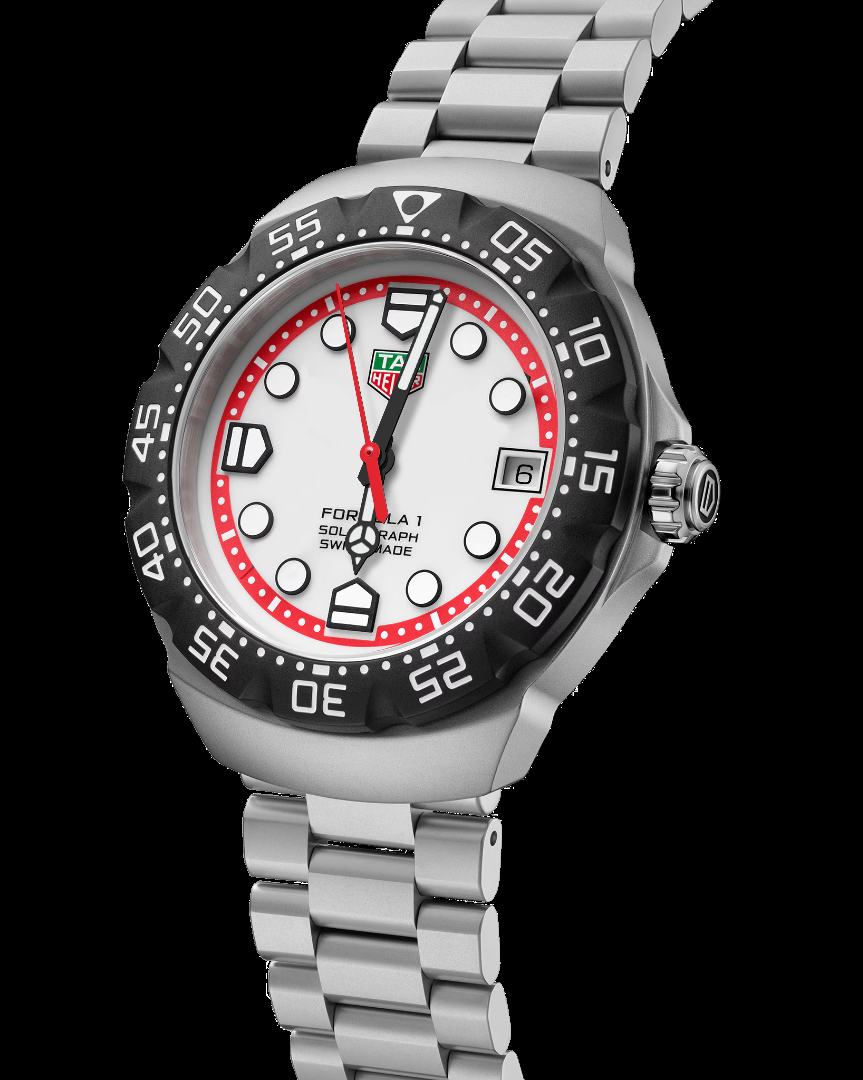
The journey begins in 1985 with the TAG Heuer Formula 1, a vibrant, youthful chronograph inspired by the turbo era of F1. Playful, colorful, and accessible, it introduced countless young racing fans to their first serious watch and set the tone for motorsport-inspired design for decades. TAG Heuer recently revived this collection to celebrate its re-entry as the official timekeeper for Formula 1.
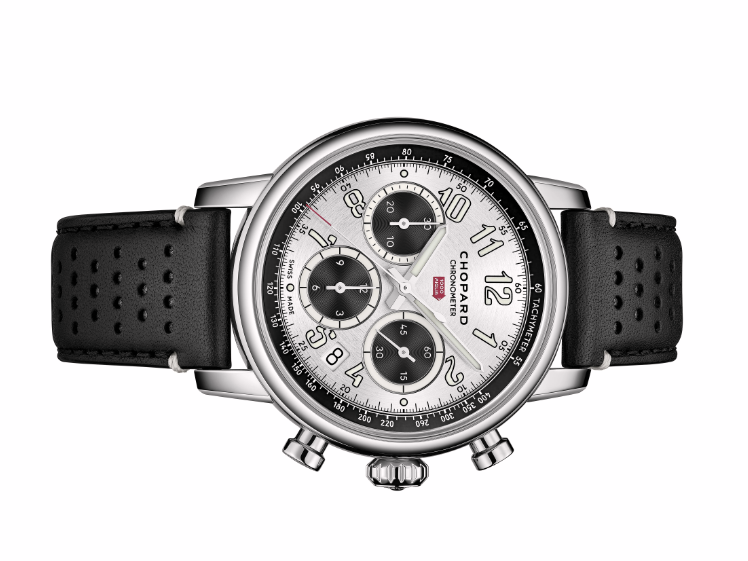
The Chopard Mille Miglia followed not too long in 1988. It was the love letter to the legendary Italian road rally. With dashboard-style numerals and classic Dunlop style tire-tread straps, it captured romantic nostalgia for classic cars, making it the official watch of gentleman drivers and collectors.
The 1990s brought another successful revival: the TAG Heuer Monaco. Once a quirky 1970s square chronograph made famous by Steve McQueen, it ticked its way back into relevance through the Calibre 11 and Calibre 12 re-editions. Suddenly, its angular case and distinctive blue dial became a modern paddock icon.
In 1992, Omega’s Speedmaster Racing, powered by the popularity of the “Michael Schumacher Editions,” cemented the brand’s place in F1 culture. Bright colors, carbon-fiber styling, and precision timing turned these pieces into symbols worn by fans of the decade’s superstar driver.
By the end of the millennium, the Rolex Cosmograph Daytona which uses the Zenith El Primero chron
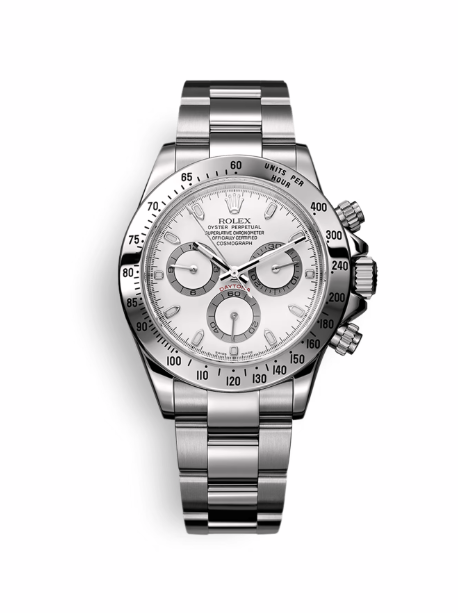
ograph movement switched to a Rolex in-house movement and emerged as the chronograph of chronographs. Though born in the 1960s, it was the 1990s to 2000s that transformed the steel Daytona into motorsport’s holy grail, both a status symbol and a tribute to the legendary American endurance race. Since 1992, when Rolex became title sponsor of Rolex 24 at Daytona, the winning drivers in each class have been awarded a specially engraved Daytona as their trophy. By 2001, the tradition expanded and winners of the 24 Hours of Le Mans overall title also began to receive a Daytona as well.
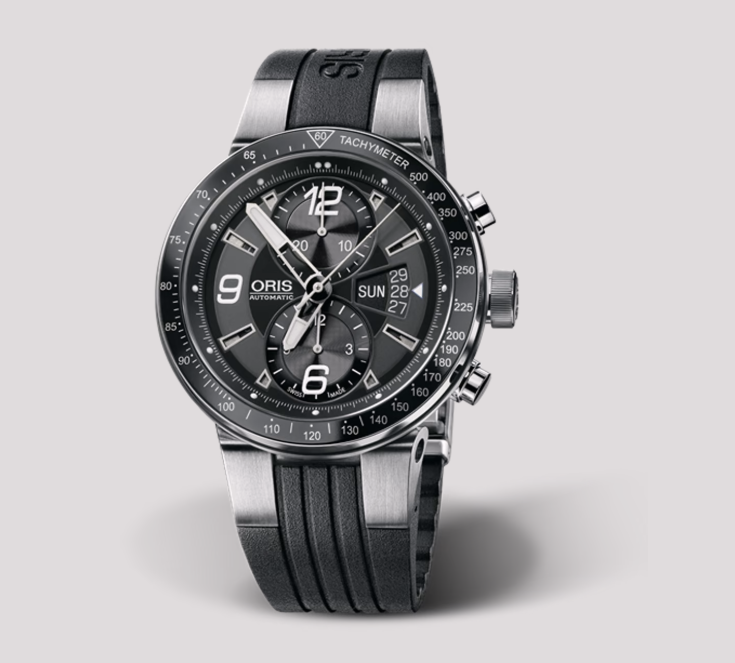
Meanwhile, the Oris Williams Chronograph represented the opposite end of the grid, focused, functional, inspired by chassis design, and worn proudly by fans of one of F1’s most storied teams. It embodied technical authenticity and the relentless pursuit of engineering excellence.
In motorcycle racing, it found its champion in the Tissot T-Race MotoGP, a bold, accessible tribute to superbikes with brake-disc bezels, racing livery accents, and fairing-inspired casework. As MotoGP’s official timekeeper, Tissot made the thrill of the sport wearable.

In the last two decades, from Switzerland to Germany to Britain, the last two decades ushered in a new era of luxury motorsport collaborations.
The IWC Ingenieur Chronograph AMG emerged from the brand’s partnership with Mercedes-AMG. With titanium cases and design cues drawn from high-performance German engineering, it embodied precision and muscular, function-driven design.
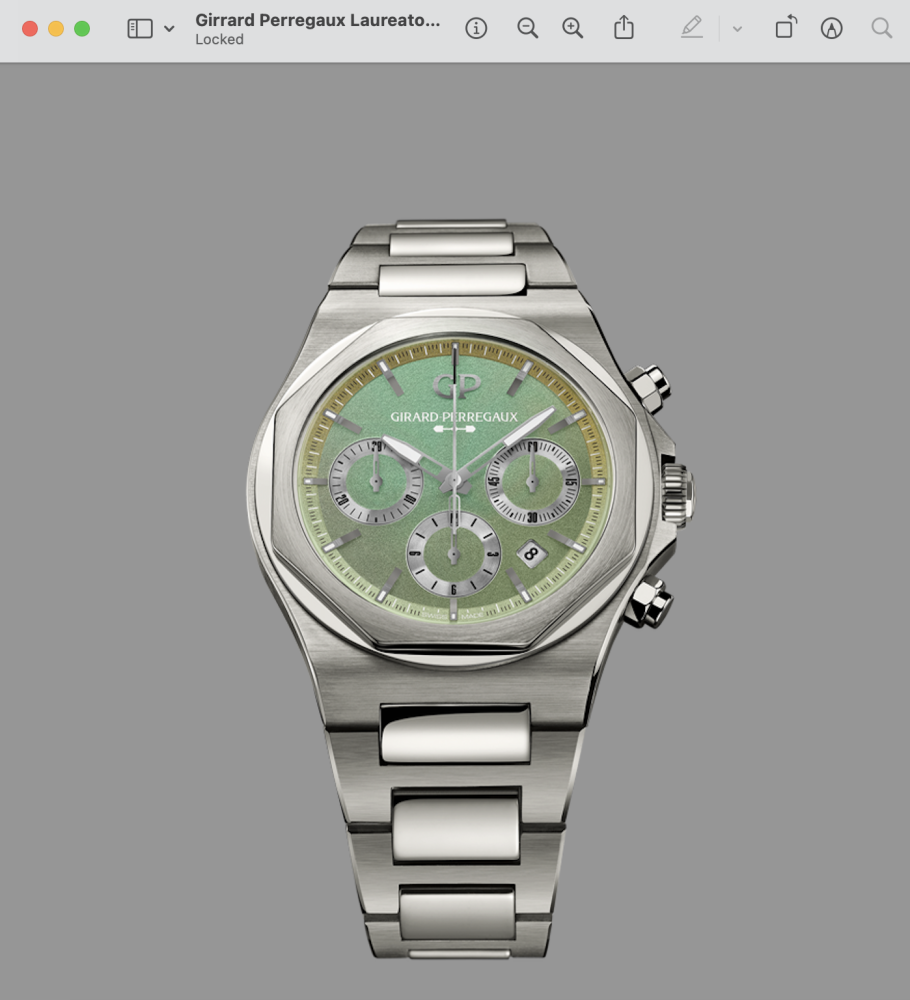
Another recent collaboration, Girard-Perregaux came up with the Laureato Aston Martin Edition, a refined, elegant, and motorsport-infused reinterpretation of GP’s 1975 integrated-bracelet sports watch. With subtle British-racing-green dials and lightweight materials, it bridged haute horlogerie and performance motoring, giving Aston Martin one of its most understated yet sophisticated timekeeping tributes.
Forty years of motoring journalism means forty years of witnessing how the worlds of speed and watchmaking mirror each other: innovation, precision, and the relentless pursuit of excellence. These watches tell that story. Bold or refined, nostalgic or futuristic, they are mechanical symbols of motorsport’s eternal race against time—proof that while engines roar, it is the seconds that define greatness.