




Visita Iglesia in Metro Manila


Visita Iglesia is an enduring Catholic Holy Week tradition, and perhaps the most exciting and challenging religious obligations they look forward to.
The unprecedented spike in fuel prices poses as a speedbump to out-of-town pilgrimages, and is perhaps Heaven’s subtle way of telling us to rediscover the equally-charming churches in Metro Manila which are hiding in plain sight.
Drive with your family around these lesser-known parishes which are similarly rich in its spiritual heritage and place in history.
Manila. Santo Niño de Tondo, the Archdiocesan Shrine of the Holy Child, is the second most popular church under the patronage of the Child Jesus after Cebu. Recently elevated into a Minor Basilica, the parish is just a few steps away from the historic nooks where Jose Rizal and Andres Bonifacio once walked … and the Divisoria bargain stores.
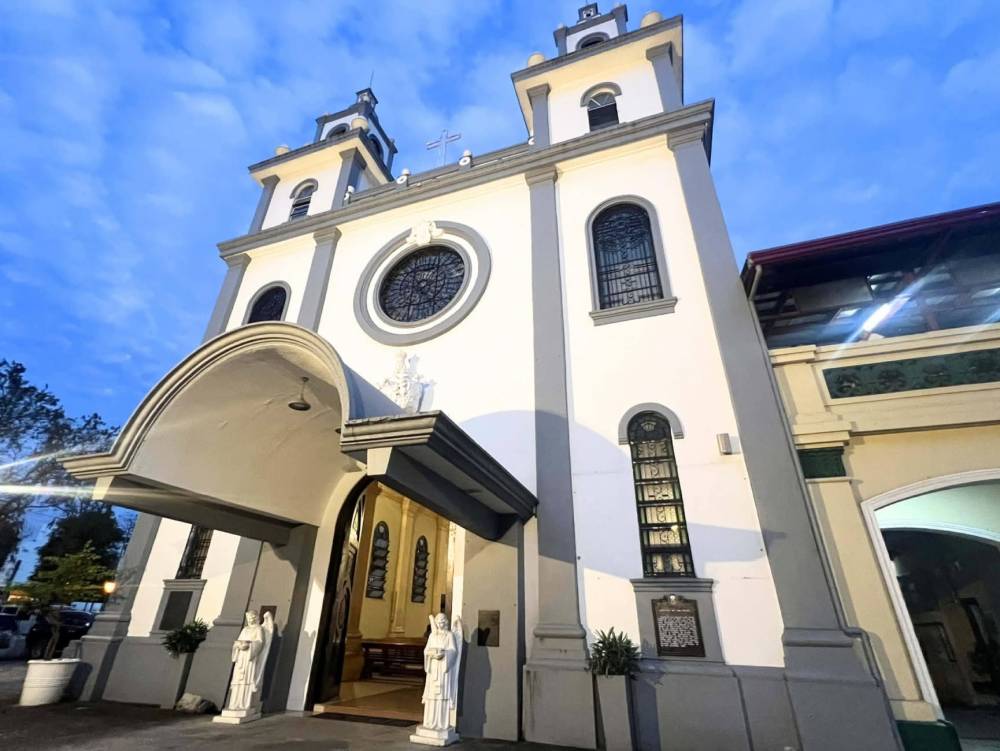
San Miguel Church, declared the National Shrine of St. Michael and the Archangels is literally a hidden gem because of its secluded location within the Malacañang Palace complex. It has a very unique location being the former site of the brewery of the country’s best-selling beer brand named after the district.
Malabon. Once a part of the Spanish-era parish of Tondo, the San Bartolome Church, it sports a neoclassical architecture with its Greco-Roman pillars instead of the typical baroque façade.
Named after Saint Bartholomew the Apostle, it was named Important Cultural Property by the National Museum in 2015 because of its exceptional cultural, artistic and historical significance.
The city is also noted for its well-preserved 19th-century homes and religious carozas which are processed on Good Friday, and is known for the delectable pancit Malabon. You know what I mean.
Pateros. The proverbial “last frontier” in the megacity, it has the looks of a provincial town rather than being part of the metropolis.
But as the saying goes, big surprises come in small packages. One of its surprises is San Roque Church which has seen so many historic events from the Spanish period to the Second World War.
The quaint municipality is dotted with heritage houses which have been repurposed as restaurants, cafes, or stores of balut, penoy and hopia.
Pasig. The heart of the city called “Kapasigan” is a treasure throve of heritage unseen by many: a charming plaza, a museum, a cluster of old houses, a hero’s monument, a huge market, and the Immaculate Conception Cathedral at the center of it all.
The seat of the Diocese of Pasig, its first structure was erected in 1575, and was occupied by British troops when they invaded the archipelago in 1762.
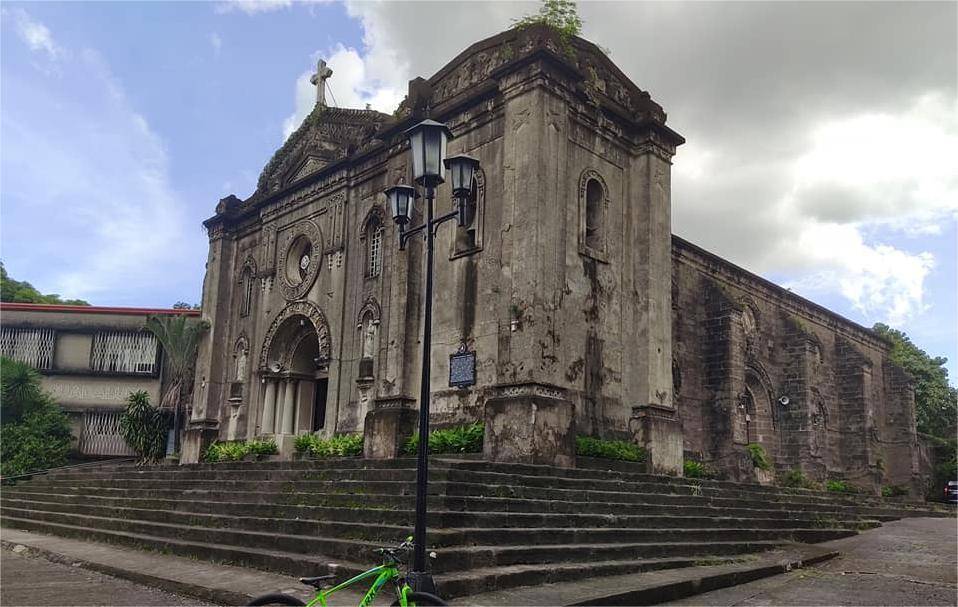
Makati. If you are a fan of teleseryes, you might have seen the Nuestra Señora de Gracia Church, an imposing edifice on the hilly side of Guadalupe Viejo and overlooks the Pasig River. Established as a parish in 1601 by Augustinian friars, its patroness once became the Our Lady of Guadalupe and drew devotees from Spain and Mexico during the Manila-Acapulco Galleon Trade.
About a kilometer away is its mother parish, the Saints Peter and Paul Church in Poblacion, the spiritual center of the old Makati, where the revered image of Virgin dela Rosa is also enshrined. Formerly known as 1578 San Pedro Macati church, it was named Important Cultural Property in 2023.
San Juan. Known for the often-unruly dousing ritual during fiesta, the city is home to Saint John the Baptist Church which witnessed the outbreak of the 1896 Philippine Revolution. Due to its unique distinction of being the site of the first battle, it has been monikered as Pinaglabanan Church.

Also called San Juan del Monte Church, it was declared as Manila’s Archdiocesan Shrine of Saint John the Baptist in 2024.
Just a few minutes away is the Santuario del Santo Cristo, which holds the image of the Santo Cristo and the Our Lady of the Most Holy Rosary. A Dominican parish built in the early 1600s, it was burned by the Chinese insurrection in 1639 and the British Invasion in 1763, and used by Filipino insurgents in 1896.
Quezon City. Another lesser-known religious gem is the Santuario de San Pedro Bautista or the San Francisco del Monte Church, the oldest parish in the city, whose origin dates back to 1590.
Because of its strategic location, Katipuneros and American troops occupied the church at various points in time during the Philippine Revolution.
Dedicated to martyred Franciscan missionary priest Pedro Bautista, a former resident of the area, it was proclaimed an Important Cultural Property in 2017 and elevated into a Minor Basílica in 2020.
******
Get real-time news updates: inqnews.net/inqviber