









When infrastructure is a gift that keeps on taking


Infrastructure, if done right, is the gift that keeps on giving.
In the Philippines today, it feels more like a gift that keeps on taking.
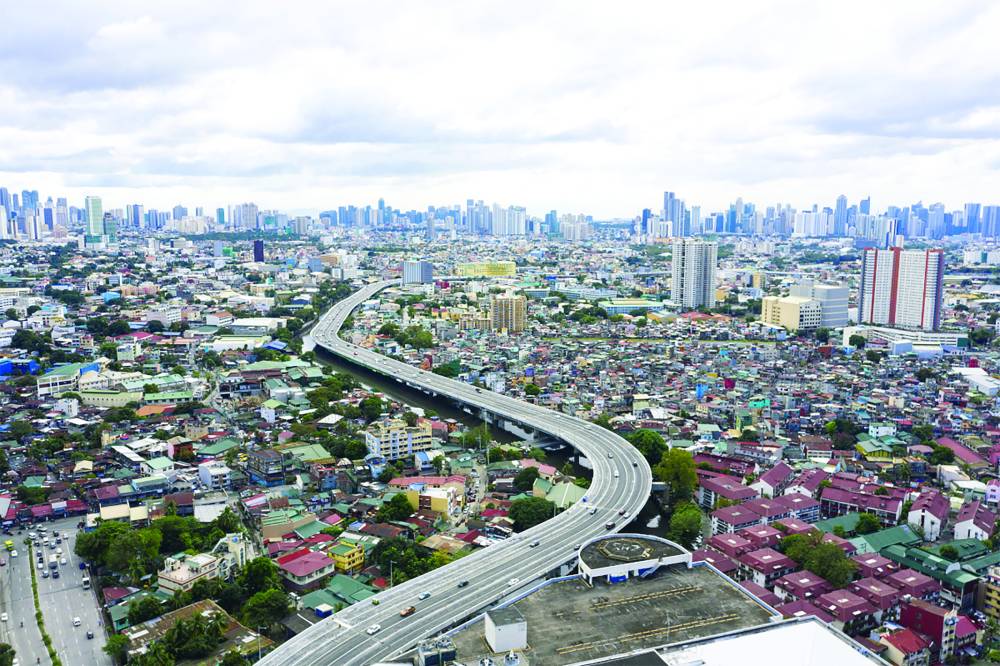
Around the world, infrastructure has been the backbone of economic transformation. Countries like Japan, South Korea, and Singapore show what happens when governments invest wisely, build honestly, and enforce accountability. High-speed rail strengthens business links, expressways create industrial corridors, and world-class logistics turn nations into global hubs. Done right, infrastructure becomes a gift that keeps on giving: enabling commerce, reducing inequality, protecting communities from disasters, and improving daily life.
The Philippine reality: When the gift keeps on taking
The Philippines, with its strategic location, young population, and fast-growing economy, should be perfectly positioned to leverage infrastructure in the same way. But the ongoing flood control scandal has revealed how infrastructure has become a massive drain.
Since 2022 and perhaps even years before that, billions have been poured into projects that were substandard, incomplete, or ghost projects altogether. Audits uncovered infrastructure built with inferior materials, projects marked “completed” but never constructed, and public funds funneled repeatedly into the same items in the national budget. Worse, taxpayers fund all of this — only for the money to end up in the pockets of corrupt politicians and/or corrupt public officials and their “nepo families”. One of the damning discoveries in the 2026 budget proposals flagged by the Senate Finance Committee were the inclusions of funding for flood control projects that were already completed—meaning taxpayers were being asked to pay twice, or even multiple times, for the same “infrastructure.”
This is what turns infrastructure into a “gift that keeps on taking.” Ghost projects drain the budget but provide no value. Substandard work guarantees that structures will fail early and have to be rebuilt: more contracts, more opportunities for kickbacks. Repeated budget insertions for the same projects convert public works into a recurring milking cow for politicians and their accomplices. Tax leakages and kickbacks mean less money for schools, hospitals, and truly needed infrastructure.
The human cost is devastating. Recent typhoons have killed hundreds and displaced over a million, fueling anger over how billions supposedly spent on flood protection never translated into actual protection for people.
The flood control scandal is not an isolated incident; it is a symptom of deeper systemic problems in our government.
Projects are often chosen not because they are technically sound or urgently needed, but because of political and personal interests. Flood control, with its many small packages, is ideal for “slicing and dicing” into a type of pork barrel for multiple districts. Flood control projects are also the easiest to turn into ghost or substandard projects because they are harder to audit. National and local plans often don’t match. Projects are approved without complete designs or realistic hydrological studies, making it easy to pad contracts or fund projects that don’t actually solve flooding.
The small fraction of accredited contractors which received a huge share of flood control projects also suggests cartel-like behavior and political favoritism, not a competitive market for quality and price.
While e-procurement platforms exist, critical details (such as actual site conditions, “as built” plans, contract variations, and progress reports) are not fully transparent to the public or affected communities.
Even when scandals are exposed, cases drag on for years. By the time judgments are made, evidence is stale, witnesses have moved on, and the message to would-be offenders is: “You can probably get away with it.”

How to turn the tide
The Philippines is not doomed to this cycle. Countries once plagued by corruption — like early South Korea — reformed through strong institutions, transparency, and public pressure. We can too.
Key reforms can include, among others: (1) a unified long-term infrastructure plan that is need-based and data driven; (2) full transparency using tools like geotagged project dashboards, contract details, drone progress photos, and “as-built” plans open to all; (3) stronger technical audits before project completion; (4) procurement reforms that break monopolies and require disclosure of beneficial owners to avoid “Cong-tractors” or Congressmen-Contractors; (5) faster, high-profile anti-corruption cases, with lifetime bans and asset recovery; (6) providing mechanisms that will empower citizens and civil society to monitor projects from planning to completion.
Rebuilding the Social Contract
Infrastructure is more than concrete—it’s a statement of the relationship between citizen and state. When done right, it tells Filipinos: “Your taxes are working for you.” When corruption flourishes, the message is the opposite: “Your sacrifices enrich political dynasties, not your communities.”
If we want infrastructure to truly become a gift that keeps on giving, we must first stop it from being a gift that keeps on taking. The Philippines has the talent and potential; what it needs now is political will—and sustained public demand—to ensure that every peso builds something real, resilient, and worthy of the people who paid for it.