







Baguio market upgrade seeks new investors after PPP pullout

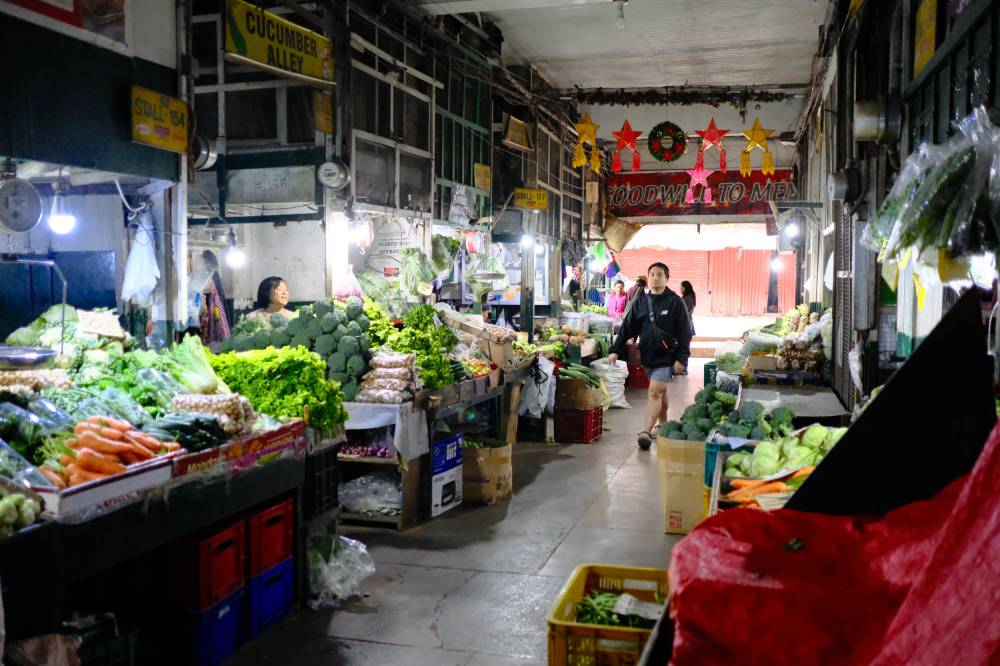
BAGUIO CITY—The redevelopment of the city’s century-old, tourist-friendly market is now open to new investors, including market vendors who have expressed willingness to contribute capital to keep it communally owned, Mayor Benjamin Magalong said on Monday.
Magalong’s announcement came after a major shopping mall operator withdrew its public-private partnership (PPP) proposal to build a modern retail complex on the site.
In a Dec. 19 letter to Magalong, received on Dec. 22, SM Prime Holdings formally withdrew its unsolicited proposal to build a P4.5-billion market building.
The project would have been occupied by about 4,000 fish, vegetable, fruit and meat vendors and controlled by the city government, while SM would reserve a smaller retail building and an eight-story parking structure under a 50-year lease.
Because the PPP discussions produced detailed terms of reference for the market modernization project, the city government may now reopen the process to other investors—this time by soliciting proposals, Magalong said.
“The vendors claimed they could raise capital to build the market. Here is an opportunity for them,” he said after Monday’s flag-raising ceremony at the City Hall.
During their first session of 2026 on Monday, the city council formally accepted SM’s decision, but Councilor Betty Lourdes Tabanda asked the company to first provide a board resolution authorizing its withdrawal of the PPP offer.
Lawyer Helene Go, SM vice president for legal affairs, wrote to Magalong to confirm the company’s decision to drop the PPP proposal, which had undergone rigorous negotiations.
‘Legacy’ project
The city had convinced SM to take on a “legacy” project, offering the mall giant a modest 4-percent return on investment—payable only after more than 20 years of the proposed lease—Magalong told reporters.
Go referred only to “several matters (that the government and Baguio stakeholders) will need to settle before the project may be undertaken.”
But Magalong said he was informed of the company’s frustrations over “lies” that allegedly smeared its “good intentions.”
The PPP offer by SM drew public outrage over the impending “mallification” of the market should SM be allowed to develop this valuable government property.
According to a petition signed by 30,000 vendors, residents, student activists and tourists, the market is a public space that should be developed solely by the Baguio government.
However, fiscal managers concluded that the city had larger priorities requiring Baguio’s resources, particularly the upgrading of the city’s septic system and only sewage treatment plant to reduce pollution discharged into four major Luzon rivers.
Magalong said tapping Baguio’s loan capacity to finance multiple projects was not ideal and would burden residents in the near future.

Other PPP projects
The mayor added that the SM issue had not affected other PPP initiatives in the pipeline.
On Oct. 17 last year, the Baguio government awarded the development of a P1.2-billion Manila-bound transport terminal, which is set to be constructed this year by Megawide Construction after passing uncontested through a Swiss challenge.
The city council had accepted Megawide’s unsolicited PPP proposal for the Baguio City Integrated Terminal, which could serve up to 400 buses daily, and passed Baguio City Resolution No. 42, series of 2025.
As of December, the council was still reviewing a proposed inflation index that would govern potential adjustments to various terminal fees under a 40-year lease. The terminal is expected to be operational by 2027.
The market project had been the city’s most contentious PPP venture. The city initially approved a master development plan for a multilevel market in 2019, but considered unsolicited proposals by SM and another retailer, Robinsons, shortly before the city economy was shuttered due to COVID-19 quarantines.
The vendors, led by the Baguio Market Vendors Association, submitted their own unsolicited PPP proposal to counter the bids by SM and Robinsons during the height of the pandemic.
Their proposal was rejected due to documentary lapses, and Magalong said it may also be untenable because the vendors would require a loan to be shouldered by the city government, facilitated by the merchants.