











Beyond the beach: Savoring La Union’s handcrafted treats

SAN FERNANDO CITY, LA UNION—Malls may have sprouted across this northern province, famous for its surfing beaches, but indigenous industries continue to sustain village economies—trades that begin in sunlit fields and end in homes, sometimes traveling far beyond local borders.
There are no smoke-belching factories here. Every product is shaped by the community’s hands—in backyards, makeshift sheds and modest workshops where skill, patience and love for the craft are the truest tools.
In many villages, crops tended by farmers young and old are transformed into beloved beverages—basi (sugarcane wine), coffee, lemon juice—and other goods crafted through practices passed down for generations.
The journey down this beverage trail begins in Naguilian, where Lopemae Hana Bautista and her family press lemon concentrate from fruits grown on their 1-hectare farm. Their flavors—honey-lemon, lemon-ginger, and blends with local flowers like ternate and cucumber—refresh hot or cold, and delight all ages.
For those seeking a stronger sip, there is basi, a fermented sugarcane wine subtly infused with guava leaves for aroma and duhat bark for color.
The cane is grown locally, with at least 12 ha dedicated to this tall, leafy perennial whose sweet juice becomes wine or vinegar.


Signature brew
“The wine, fermented for 9 to 12 months, has 12-percent alcohol content,” says Dominador Pulmano, overseer of the processing plant in Barangay Cabaritan Sur.
Naguilian’s local government has consolidated home-based operations to ensure sanitation and quality. Today, basi is the town’s signature brew—a favorite among locals and a prized “pasalubong” (gift item) for visitors.
Even before fermentation, freshly extracted sugarcane juice is a delight on its own. Add a splash of calamansi or lemon, pour it over ice, and it’s easy to forget soft drinks ever existed. But drink quickly—fresh sugarcane juice begins fermenting almost as soon as it meets air.
After a glass of sublime basi, a cup of coffee feels just right—particularly the organic brew from Bagulin, another La Union town making a name for itself.
The robusta beans come from the farms of Baguionas village, planted by farmers’ grandfathers and processed by the Baguionas Farmers and Coffee Growers Association.
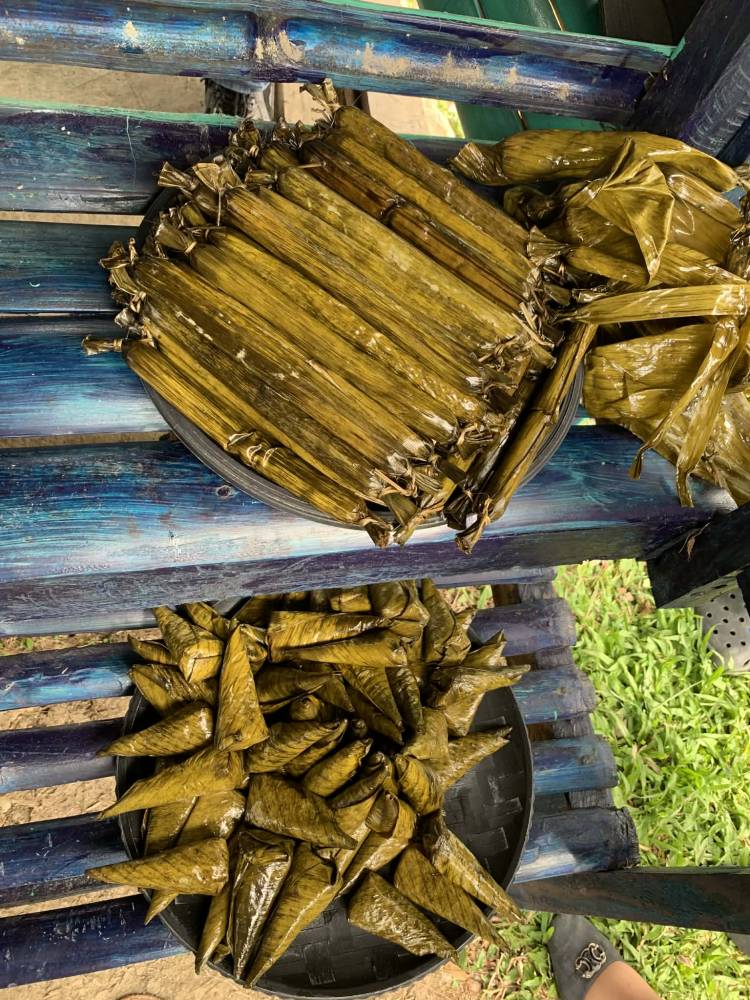
A provincial government–funded facility ensures the 33 farmer-members produce consistent, quality coffee—best enjoyed with native “suman,” sticky-sweet rice cakes wrapped in banana leaves and cooked to fragrant perfection.
Crunchy snacks
La Union offers more than sweetness. Communities have mastered the art of turning harvests into crunchy snacks—camote, corn, mushrooms and more. In Tubao, residents transformed a corn infestation into opportunity: “chichacorn.”

“When the corn we produced was rejected, we decided to turn our woes into an income-generating activity,” shares Vanessa Mapalo, secretary of the Halog West Producers Cooperative.
What began in 1992 as a local experiment grew into an organized cooperative by 2009 and achieved FDA registration by 2014. By 2024, the 170-member group processed 8.5 tons of white corn into five tons of chichacorn, earning a gross income of P1.4 million.
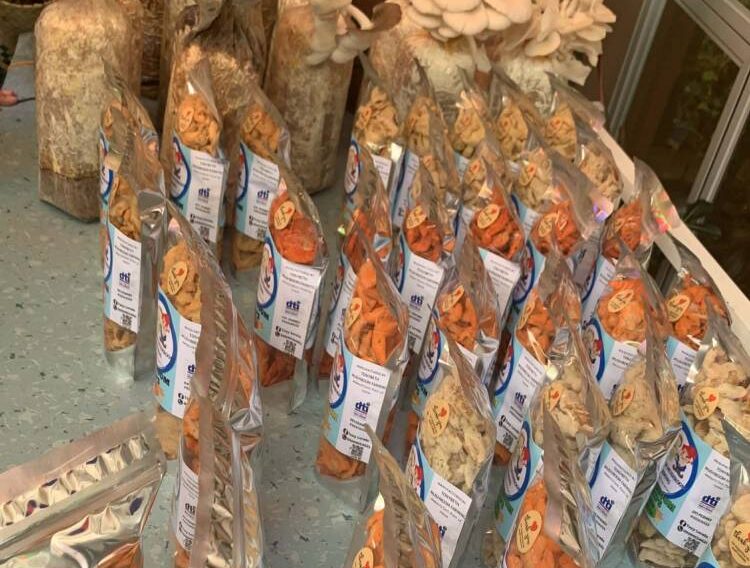
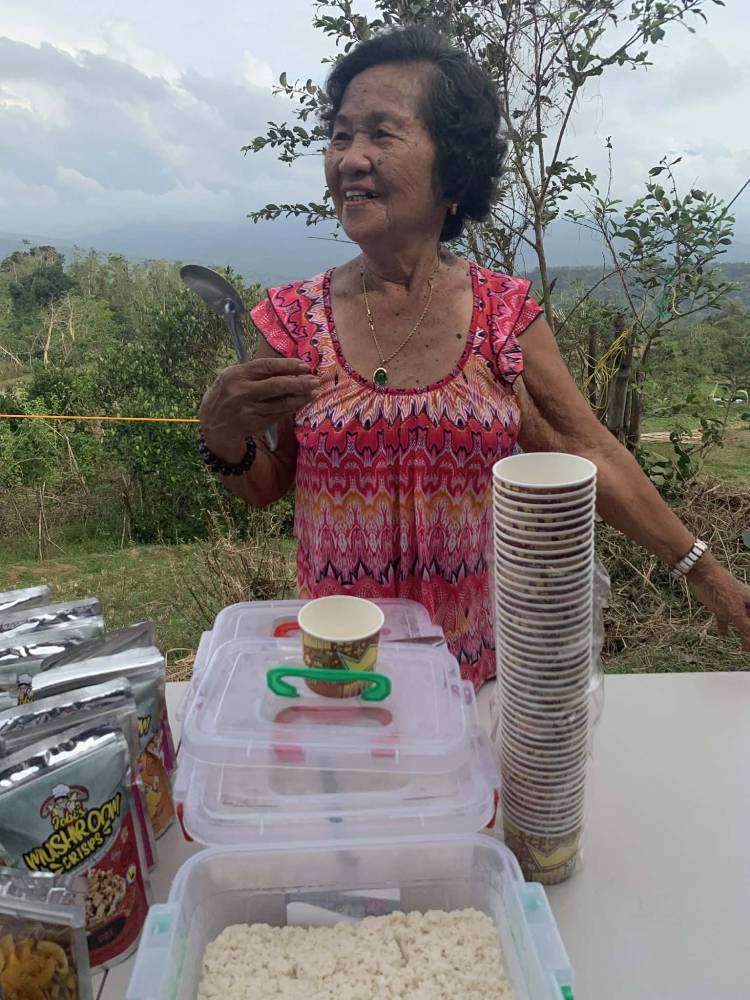
Mushroom growers, too, have created magic—tossing their harvest with cheese, sour cream and spices to produce crunchy, healthier nibbles.
Slow, traditional dishes are also making a comeback: “binuburan” (fermented rice), “dinengdeng” and camote simmered in coconut cream. Agoo’s coconut pie—made by a single family—remains a treasured treat.
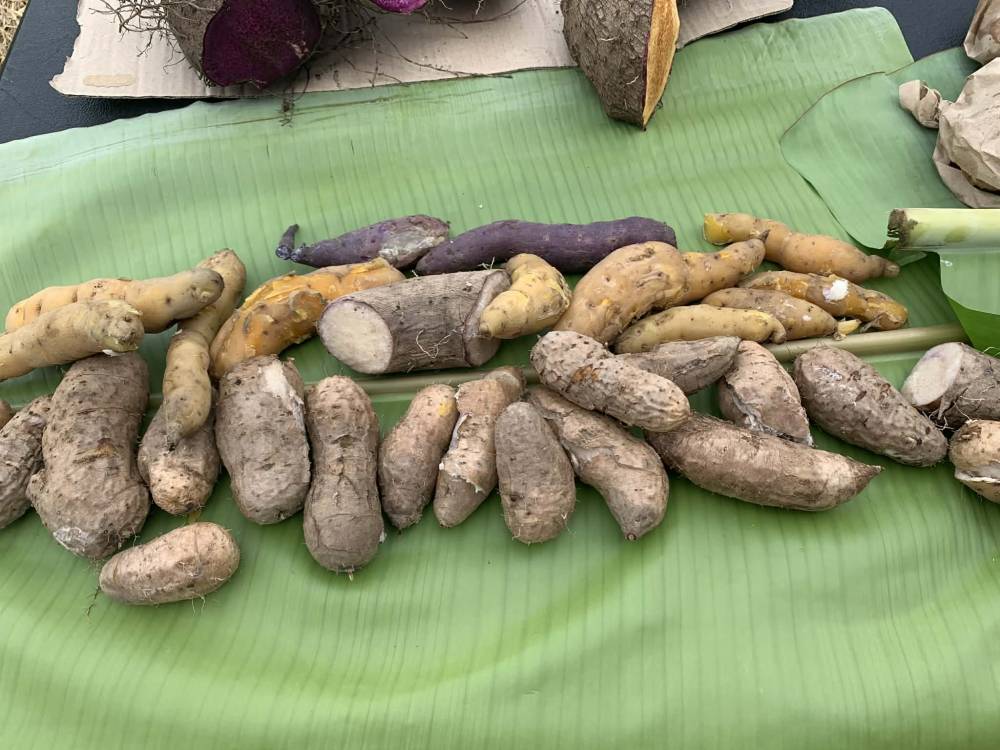
Sometimes, the simplest fare—boiled bananas, “tugi” (Asiatic yam) or sweet camote—needs no embellishment. These plain, honest foods recall days when people harvested from their own backyards and cooked in their own kitchens, and were all the healthier for it.
For those with a sweet tooth, the journey ends in Caba, where the San Jose Multipurpose Cooperative produces Cabalicious “pastillas,” bite-sized milk candies that melt on the tongue and leave behind a burst of pure sweetness.