




BJMP buys P46-M fresh food for inmates

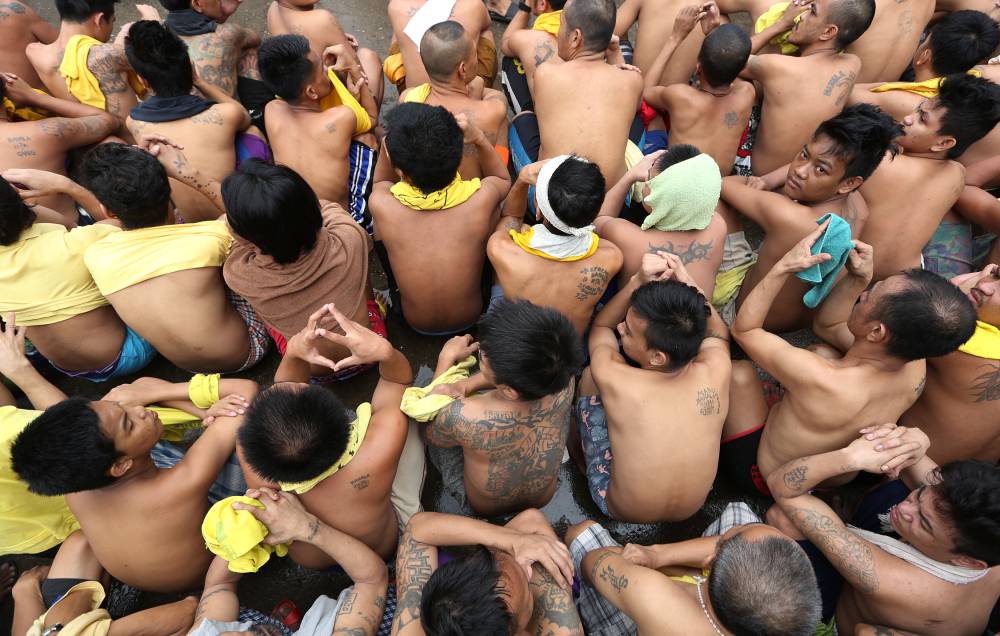
The Department of the Interior and Local Government (DILG) reported on Thursday that the Bureau of Jail Management and Penology (BJMP) has procured P46.1 million worth of fresh, locally grown produce directly from farmers to provide healthier meals for prisoners nationwide.
The initiative is part of the Enhanced Partnership Against Hunger and Poverty (EPAHP), a convergence program between the BJMP and the Department of Agrarian Reform (DAR). It aims to improve food and nutrition security, reduce poverty and strengthen rural livelihoods while ensuring adequate nutrition for the 167,000 inmates across the country.
“Being behind bars should never mean being left behind in nutrition,” the DILG said in a statement.
Under EPAHP, the BJMP coordinates directly with agrarian reform beneficiary organizations and farmer groups, eliminating the need for middlemen and large suppliers.
No more middlemen
This arrangement ensures that inmates receive fresher, higher-quality food at lower costs, while giving farmers a stable and reliable market for their produce.
The DILG said the initiative aligns with the directive of President Marcos “to uphold the human rights of PDLs (persons deprived of liberty) by improving their living conditions through measures such as jail decongestion and the provision of adequate and nutritious food.”
The program likewise strengthens farmers as sustainable agri-entrepreneurs and enables government funds for PDL subsistence to flow back directly into local communities.
In 2025, Region IV-A topped deliveries of agricultural produce at more than P12 million, followed by Region III with P9.9 million and Region IX with P4.2 million.

Institutional market
The DILG said that the BJMP plans to expand the program nationwide by connecting every jail facility with local farmer groups, strengthening its position as a dependable institutional market for the agriculture sector. The bureau is under the DILG’s direct control control and supervision.
The Commission on Human Rights has stressed that following the United Nations standard minimum rules for the treatment of prisoners, also known as the Nelson Mandela rules, prisoners should receive meals that provide adequate nutrition to support their health and physical strength.
Under the 2026 national budget, the daily subsistence allowance for the country’s prisoners was raised to P100, an increase of P30 from the previous P70 that had been in place since 2019.