











Bohol strengthens marine wildlife tourism rules

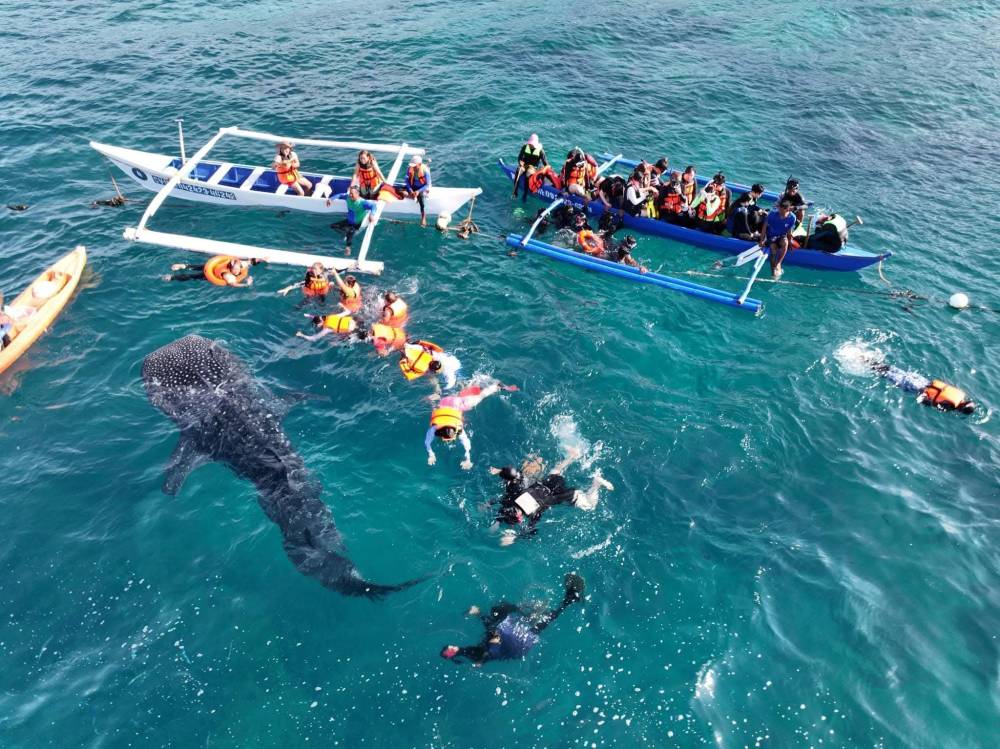
TAGBILARAN CITY—The Bohol Provincial Board (PB) has approved the “Enhanced Sustainable Marine Wildlife Interaction Ordinance,” imposing stricter regulations on whale shark, dolphin and other marine wildlife tourism across the province.
Passed on third and final reading on Feb. 27, during a special session of the PB presided over by Vice Gov. Nick Besas, the ordinance updates and expands Provincial Ordinance No. 2020-008 to create a comprehensive, science-based framework for all marine wildlife interactions in Bohol.
Authored by Board Member Lucille Lagunay and cosponsored by several PB members, the measure emphasizes that the health of marine wildlife, animal welfare and ecosystem integrity take priority over tourism demand or commercial interests.
“Our marine ecosystems are part of that living story. Our marine wildlife is part of that global responsibility,” Lagunay said, noting that the ordinance reflects expert input and extensive consultation.
The law comes after Gov. Erico Aristotle Aumentado suspended whale shark interactions in February 2025 in Lila, Alburquerque and Dauis, due to illegal feeding practices, regulatory violations and risks to marine ecosystems.
Under the new ordinance, tourism activities must not disrupt feeding, breeding, migratory routes or habitats of whale sharks, dolphins, whales, manta rays, dugongs and marine turtles.
It prohibits feeding, chasing, touching, riding or harassing marine wildlife and bans in-water interactions with cetaceans. Distance limits, observation time caps, vessel speed restrictions and visitor number limits are now mandatory.
Restricted activities
No marine wildlife tourism activity may operate without a certificate of compliance from the governor, accreditation from the Department of Tourism, Maritime Industry Authority registration and environmental compliance certification.

Operators must also provide trained guides and lifeguards, secure insurance and implement online monitoring systems to control visitor flow. Host municipalities must align local ordinances with provincial policies and create enforcement teams.
The ordinance establishes a Sustainable Wildlife Tourism Advisory Board, a technical working group and a Task Force Marine Wildlife to oversee implementation, with the Provincial Environment Management Office serving as the secretariat. Interaction areas are divided into no approach, no interaction, interaction and waiting zones.
Violators face fines of P5,000 per violation or per day, imprisonment of up to six months, suspension or revocation of permits and penalties under national conservation laws. The provincial government allocated P2 million for implementation.