







Bohol’s ‘dinosaur egg’ salt gets Unesco protection

TAGBILARAN CITY—The traditional craft of making “asin tibuok,” Bohol’s iconic artisanal sea salt, has been officially inscribed in the United Nations Educational, Scientific and Cultural Organization’s (Unesco) list of intangible cultural heritage needing urgent protection.
The announcement was made on Tuesday during the 20th Session of the Intergovernmental Committee for the Safeguarding of Intangible Cultural Heritage in New Delhi, India—a major cultural milestone for both Bohol and the Philippines.
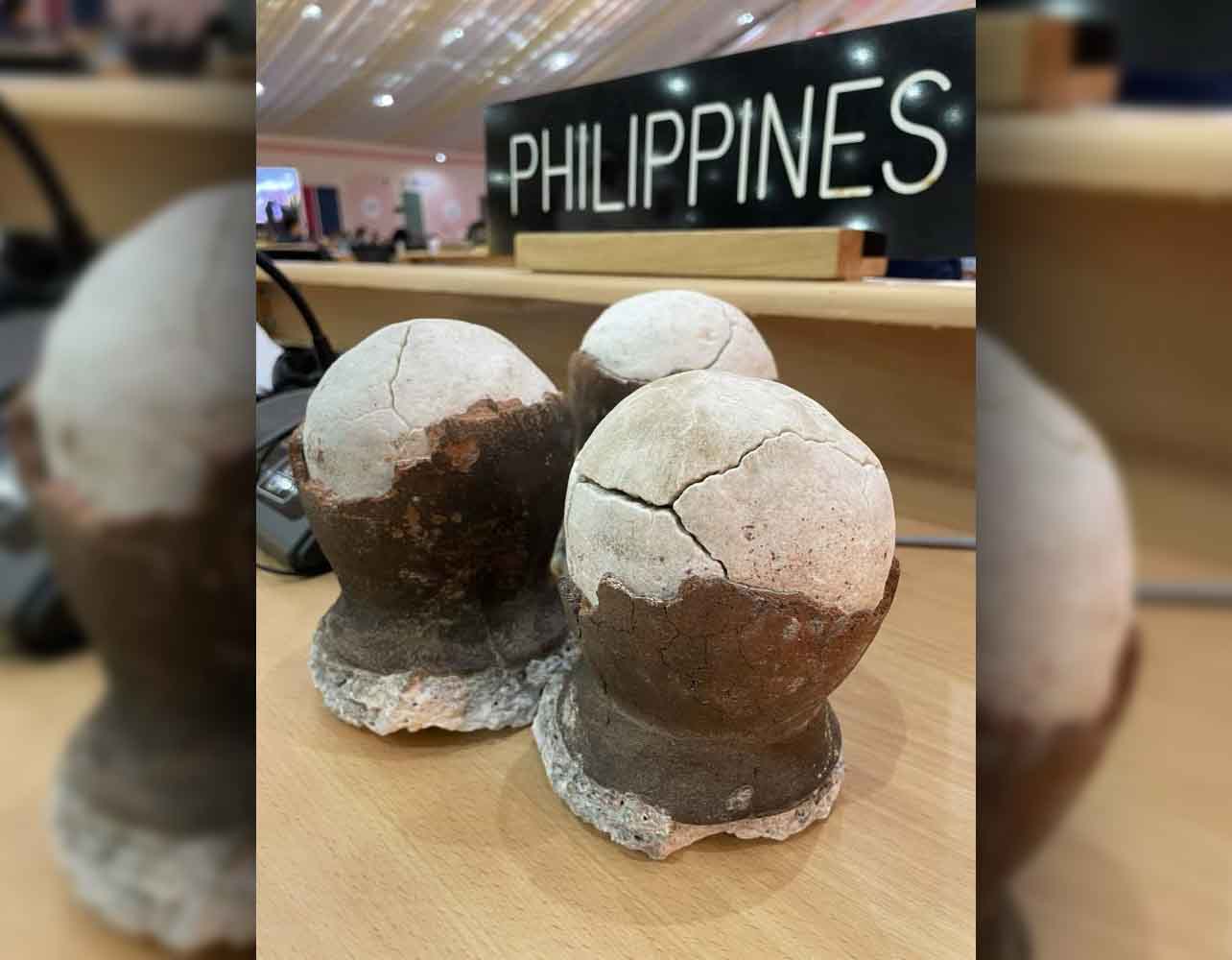
The Unesco inscription recognizes the centuries-old, labor-intensive process behind asin tibuok, which involves filtering seawater through the ashes of burned coconut husks before it is fired for hours in a clay pot.
The process yields a distinctive, rock-shaped salt with a smoky aroma and deep, earthy flavor, highly prized by chefs, home cooks, and culinary enthusiasts.
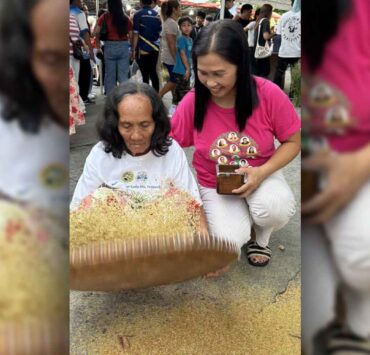
Heritage advocates and cultural workers have long campaigned for the protection of the craft, which is now practiced by only a handful of families in Alburquerque. Its listing underscores the urgent need to preserve the knowledge, skills, and traditions at risk of disappearing.
Gov. Erico Aristotle Aumentado welcomed the global recognition, calling asin tibuok a cultural treasure of Bohol.
“We, the Boholanos ourselves, must be the first to protect this precious heritage. The immense sacrifice and hard work that go into making asin tibuok must be passed on to future generations, ensuring that both the tradition and the livelihood of our people are preserved,” he said during the occasion.
Rare
The craft of making asin tibuok dates back to the 1700s. Nicknamed the “dinosaur egg,” it is considered one of the rarest salt varieties in the world.

In the 1960s, salt-making families in Bohol often traded it for food and daily necessities. But the tradition declined sharply toward the late 20th century as younger generations sought more stable and profitable work.
Today, only a few families—members of the Kapunungan sa Mang-Asinay sa Alburquerque continue the practice.
Even as the practice faces extinction, interest in asin tibuok has surged. Restaurants in Manila and Cebu now shave it over steaks, seafood, and heirloom dishes, praising its complex flavor profile. “Pasalubong” (gift) shops in Bohol proudly showcase it, and tourists treat it as a cultural artifact rather than a mere kitchen staple.