


Budget watchdogs demand participation in budget bicam


A day before the congressional bicameral conference committee deliberations on the 2025 budget, civil society watchdogs made their last-minute appeal to strip next year’s General Appropriations Act (GAA) of the remaining red flags that would negate current efforts to make the budget truly responsive and transparent.
During a pre-bicam briefing on Thursday, the Kilusang Bayan Kontra Kurakot and the People’s Budget Coalition reiterated their demand to be allowed to observe and participate in all bicam meetings—including all small-group discussions—and to fully disclose the proponents behind every project and amendment to the proposed 2026 General Appropriations Bill (GAB).
“The bicam has for years enabled the abusive practice of secret insertions that resulted in the trillion-peso flood control scandal,” they said in a statement. “The public deserves a bicameral conference committee deliberation that is genuinely open, well-documented, and understandable to all.”
Go beyond livestream
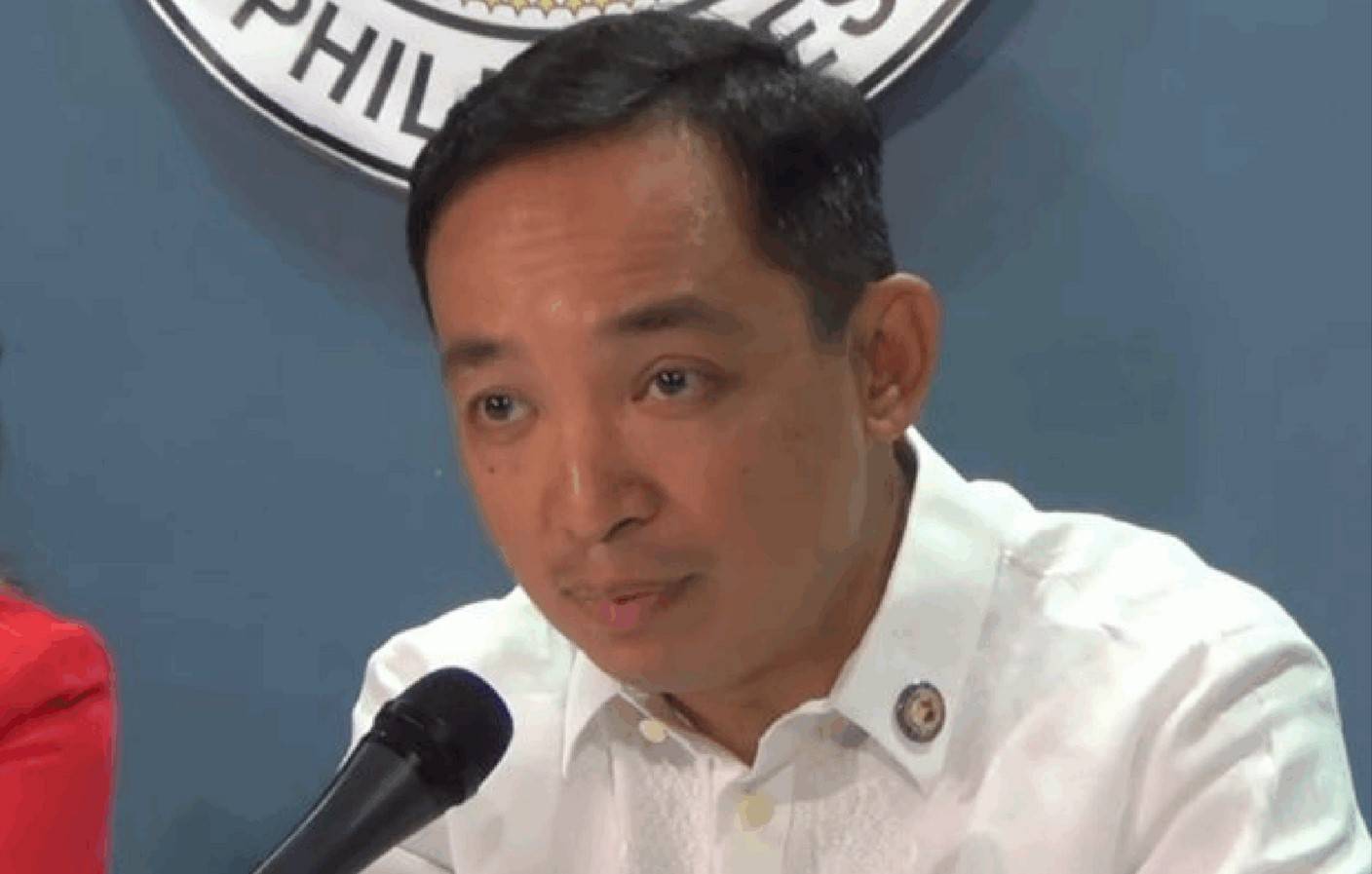
ACT Teachers Rep. Antonio Tinio and PBC co-convenor Kenneth Isaiah Abante said this meant going beyond livestreaming the proceedings and requiring machine-readable documents, minutes and annexes; publishing bicameral logs of all changes; and barring any amendments made outside official sessions.
Abante, a former finance department budget analyst and The Outstanding Young Men of the Philippines 2023 honoree for socio-civic and voluntary leadership, said that without these safeguards, the bicameral conference committee could restore, expand or conceal insertions removed during earlier deliberations.
“Anything can still happen at this stage,” Abante said. “Citizens have a right to know who is adding what, and why.”
Both Tinio and Abante noted that despite assurances of a “reform budget,” pork barrel and high-risk infrastructure projects remained deeply embedded in the proposed national budget.
Tinio specifically noted that the Department of Public Works and Highways (DPWH) budget, though now significantly reduced in the Senate, still had the “allocable” portion of the budget intact.
Potential anomalies
Allocables refer to the infrastructure budget ceilings set for district lawmakers supposedly to ensure equitable funding but are instead used to insert or park anomalous projects.
The problem, Tinio said, was that these allocables were “still being made without public disclosure.”
“We still do not know what the individual amendments of representatives and senators look like,” he said.
Abante said he and other civil society volunteers noted that 42 percent of DPWH’s proposed funding showed signs of potential anomalies.
Of more than 17,000 infrastructure projects reviewed by volunteers, about 8,500 projects worth roughly P144 billion were flagged for risks such as repeated listings, dubious costing and potential padding, he said.
Volunteers also found projects with unusually high per-unit costs, round-number budgets that did not match standard estimates, and line items that were too vague to audit, such as multipurpose buildings listed without location details or technical specifications.

These, Abante said, were “classic red flags of project padding and possible ghost projects,” which have long enabled contractors and officials to extract kickbacks.
Several of the flagged items, he added, involved farm-to-market roads, flood-control structures, and rock-netting projects.
‘Prone to overpricing’
These projects, he said, were “historically prone to overpricing because of low visibility and weak monitoring in remote or upland areas.”
He added that the delay in publishing Commission on Audit (COA) reports—caused by provisions inserted into previous GAAs—had weakened public scrutiny and forced congressional deliberations to rely on outdated 2023 audit findings.
These, Abante said, were on top of the “questionable composition” of the 2026 budget, which had shifted away from programs and services toward debt and rigid expenditures.
Currently, the “true allocable” portions of the 2026 budget—those that are allocated for social programs, projects and activities—amount to P38 for every P100 in the budget, he said.