







Buzzer beater: VP files reply to impeachment complaints

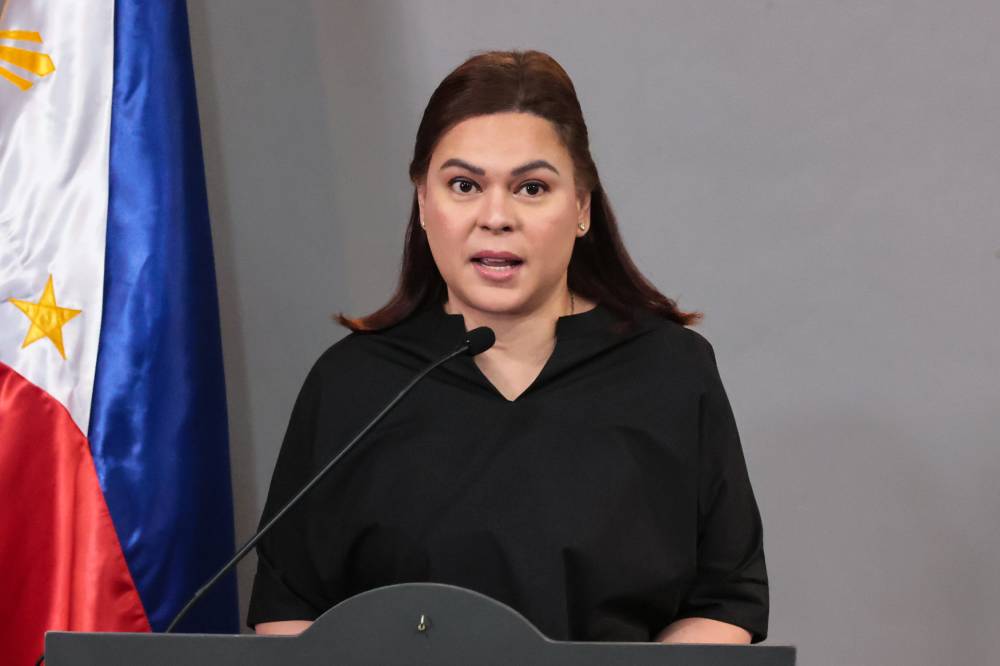
Vice President Sara Duterte on Monday beat the deadline to file her formal reply to the two impeachment complaints lodged against her before the House of Representatives’ committee on justice, Bicol Saro Rep. Terry Ridon said.
Ridon, a member of the panel, confirmed to reporters that Duterte submitted her reply to the committee on justice at 4:30 p.m. Monday.
In her consolidated verified answer ad cautelam, Duterte said the complaints she is facing were addressed differently compared to the impeachment raps filed against President Ferdinand Marcos Jr. The accusations against Marcos were supposedly disregarded while the supporting evidence against her were treated as gospel truth – showing alleged double standards.
In particular, Duterte’s defense team cited the testimony of her alleged former aide Ramil Madriaga, whose affidavit stating that Duterte supposedly ordered him to transport large amounts of money was cited by all four impeachment complaints against Duterte.
The defense called Madriaga’s claims “inherently incredible, of questionable origin, and devoid of any probative value.”
“The serious accusations against the President and other high-ranking public officials were summarily disregarded. By doing so, it becomes even more manifest that double standards were employed in the treatment of the impeachment complaints against the latter and the Vice President,” the defense said.
Such unequal standards, Duterte’s team said, violated the due process provisions under the 1987 Constitution.
The defense was referring to the two impeachment complaints filed against Marcos: first by lawyer Andre de Jesus last January 19, and another by members of the Makabayan Coalition last January 22. Both were declared sufficient in form but failed the substance test last February 4.
Material allegations
The Rules of the House of the 19th Congress, which was adopted by the 20th Congress — particularly Section 6, Rule III of the Rules of Procedure in Impeachment Proceedings — state that if an impeachment complaint has been declared sufficient in form and substance, the respondent will be furnished a copy of the petition.
The respondent will be given 10 calendar days from receipt of the notice to answer the accusations. Since Duterte was given the notice on March 5 — a day after the committee on justice deemed the impeachment raps sufficient in substance — she had until March 15 to reply.
But as March 15 fell on a Sunday, Duterte was given until Monday, March 16, to answer.
Had Duterte failed to respond, the impeachment proceedings would have moved forward with the respondent “deemed to have interposed a general denial to the complaint.”
Under the same rule, the complainant is given three calendar days to respond after receiving the respondent’s answer, and the respondent is given three calendar days to file a rejoinder.
“If the complainant fails to file a reply, all the material allegations in the answer are deemed controverted. Together with their pleadings, the parties shall file their affidavits or counter-affidavits, as the case may be, with their documentary evidence,” the House Rules state.
“Such affidavits or counter-affidavits shall be subscribed before the Chairperson of the Committee on Justice or the Secretary General. Notwithstanding all the foregoing, failure to file an answer will not preclude the respondent from presenting evidence to support the defenses,” the rules added.
Two out of the four complaints against Duterte remain under the jurisdiction of the House committee on justice, after the first complaint was set aside for allegedly violating the one-year bar rule, and the second was withdrawn by its petitioners.
The Madriaga factor
On March 4, the panel declared the third and fourth complaints as sufficient in substance. All four complaints contained allegations against Duterte that were similar to the failed impeachment attempt last February 2025 — from allegations of confidential fund misuse to threats against ranking officials, bribery of officials, and other possible violations of the 1987 Constitution.
The new factor in the complaints, however, is the Madriaga testimony.
The complainants from the third group believe Madriaga’s claims confirm how Duterte “actually converted and diverted the subject confidential funds for her own personal use, contrary to the actual purposes for which the same was earmarked for and/ or purportedly disbursed.”
Duterte recently filed perjury complaints against Madriaga, denying his allegations and tagging him as part of a kidnap-for-ransom group that was supposedly planning to assassinate her.
NUP only for stronger case
Meanwhile, one of the political parties in the House set to vote on Duterte’s impeachment raps should they push through clarified that its careful stance on the proceedings was borne out of a yearning to craft a stronger case against the Vice President.
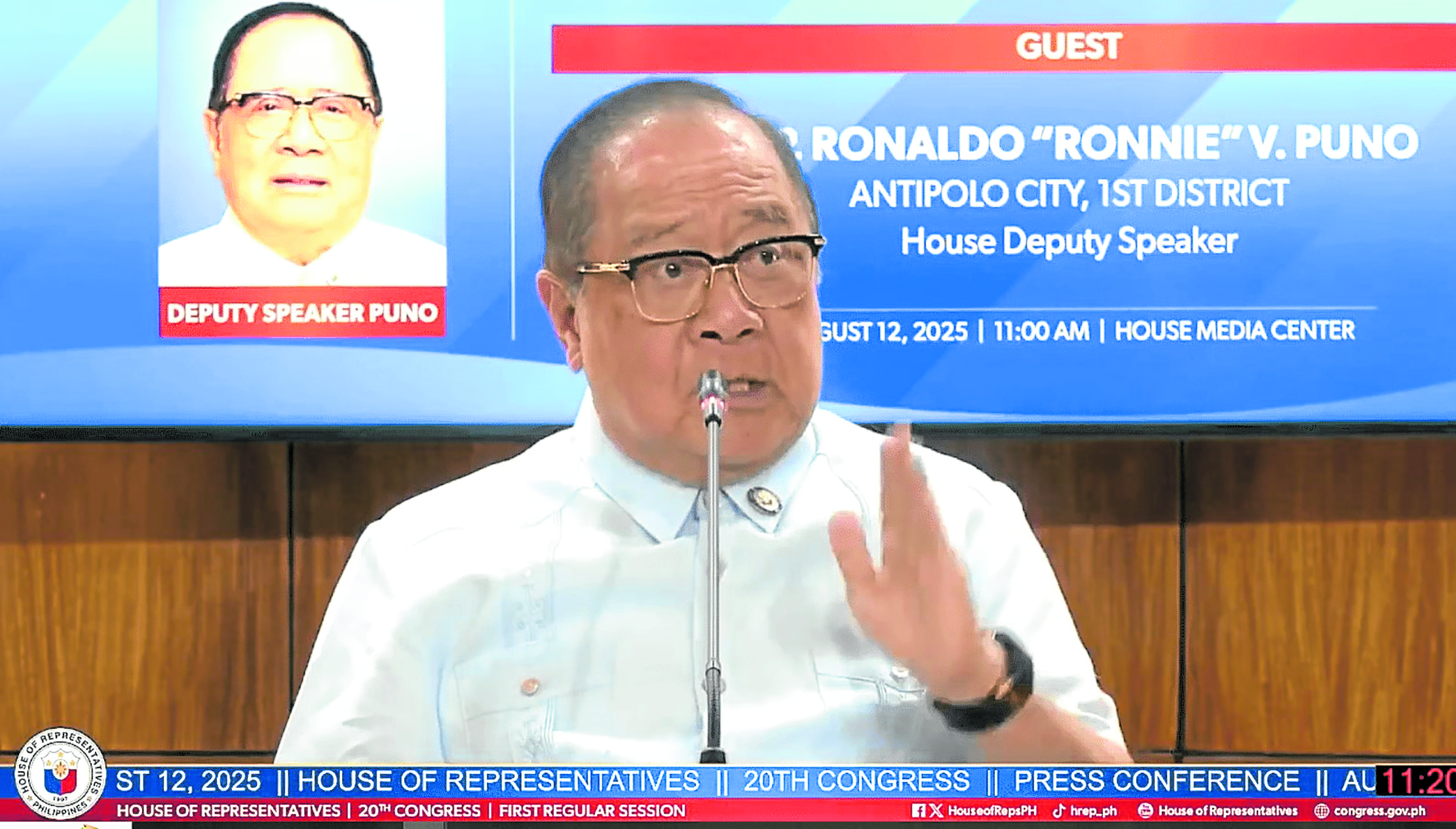
At a press briefing held in his office at the Batasang Pambansa complex, Deputy Speaker Ronaldo Puno of the National Unity Party (NUP) was asked if he could categorically say that he supported the impeachment moves, given the NUP’s previous statements that it would support impeachment only if there was new and strong evidence.
On Feb. 25, NUP released a statement signed by its secretary general Reginald Velasco stating that the party was leaning toward not voting for Duterte’s impeachment as they supposedly had not seen any new evidence in the four complaints filed. However, the party “remains prepared to assess any new evidence presented in the course of the deliberations,” the statement said.

According to Puno, the party’s support for impeachment cannot be questioned because NUP voted to declare the two remaining impeachment complaints sufficient in form and substance. Their warnings, he added, were meant to challenge the committee on justice to craft a stronger case.
“Number one, we voted in favor of the complaint’s substance. How can I be against the impeachment? If that’s the case, we should have voted no. What we are saying is, let us do good so that those who voted for the raps’ sufficiency in substance won’t look stupid,” said Puno.
“I feel that because we have said this, they will pay attention to it, and maybe work a little bit better to put the evidence in good order,” he added.
Not protecting Duterte
Puno also pushed back at criticisms that he and other NUP members are supposedly protecting Duterte, pointing out that members of their party led discussions into the issues faced by the Vice President during the first impeachment attempt.
To recall, Manila Rep. Rolando Valeriano delivered a privilege speech in September 2024 that prompted the House committee on good government and accountability to investigate the financial transactions made by Duterte’s offices.
Manila Rep. Bienvenido Abante Jr. was part of the quad committee that scrutinized the drug war of Duterte’s father, former president Rodrigo Duterte, and sponsored the fourth impeachment complaint against the Vice President.
The late Antipolo Rep. Romeo Acop, on the other hand, pointed out the acknowledgement reports on confidential expenses by the Office of the Vice President that were signed by a certain Mary Grace Piattos, among other possibly fictitious names used in the reports.
Reacting to the NUP statement released by Velasco, party stalwart and Senior Deputy Majority Leader Lorenz Defensor – one of the prosecutors in the first impeachment attempt against Duterte – also said he was not consulted on the matter, after which Puno said the NUP would likely allow its members to make a “conscience vote” on the impeachment.
“We started this during the past Congress. It’s our party,” said Puno at the Monday press briefing.
******
Get real-time news updates: inqnews.net/inqviber