





Cagsawa Ruins now a Nat’l Cultural Treasure

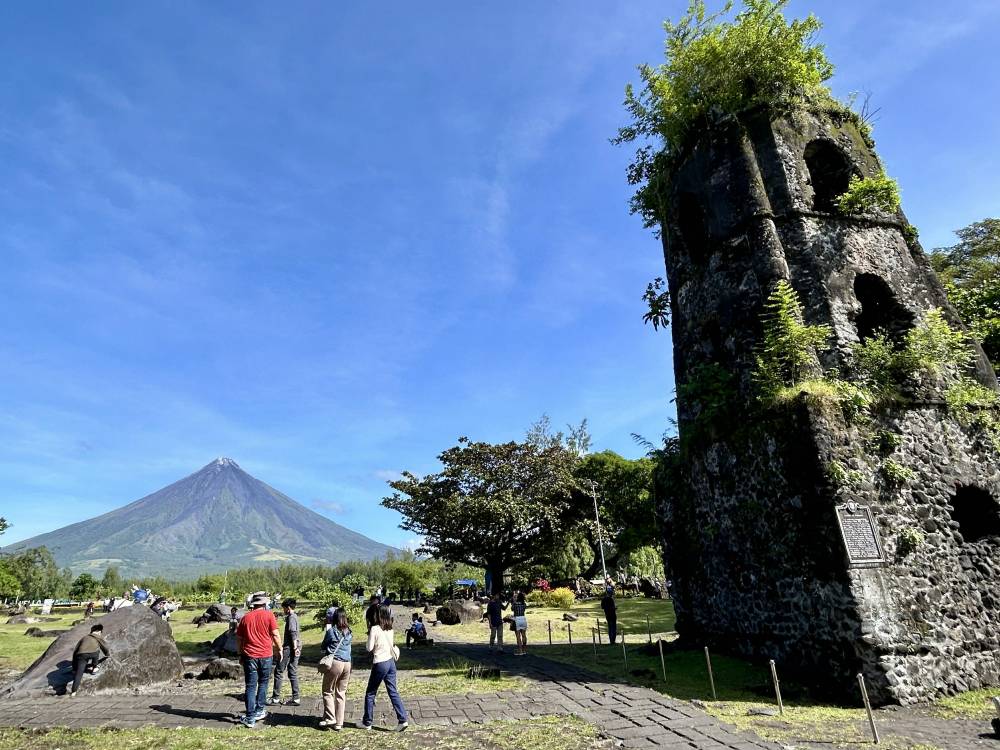
DARAGA, ALBAY—The National Museum of the Philippines declared the Cagsawa Ruins in Busay village here a National Cultural Treasure on Sunday, coinciding with the opening of the annual Cagsawa Festival, which commemorates the site’s destruction and claimed over 1,200 lives during the Feb. 1, 1814, eruption of Mayon Volcano.
Mayor Victor Perete called the declaration a milestone not only for Daraga, but for the entire province of Albay.
“On behalf of the municipal government of Daraga, we thank everyone who joined us on this historic day,” Perete said during the recognition and unveiling of the marker. He added that the designation highlights both Daraga’s history and the resilience of its people.
‘Sacred symbol’
“This recognition shows that Daraga is rich not only in natural beauty but also in culture, heritage and the enduring spirit of bayanihan,” he added.
Herbie Aguas, Department of Tourism Bicol director, who attended the event, also described the recognition of Cagsawa as a “historic milestone.”
“More than a celebrated heritage and tourism site, it stands as a sacred symbol of the Bicolano people’s faith, resilience and rich cultural legacy,” he stressed.
Arvin Manuel Villalon, National Museum deputy director general for museums, said the declaration is the highest form of recognition given to a cultural property and is granted only in rare cases.
Villalon noted that Daraga now has three National Cultural Treasures: the Cagsawa Ruins, Budiao Archaeological Site and Our Lady of the Gate Parish Church.
He said the designation carries the responsibility to protect and preserve the site, adding that the unveiling of the marker opens the possibility of the ruins being considered for World Heritage status.
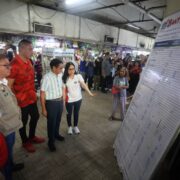
According to Legazpi Bishop Joel Baylon, the declaration is a significant and timely event for Albay, especially as it coincides with the Cagsawa Festival.
“The recognition reflects the importance of unity and cooperation among local and provincial governments, the Church and the community in preserving the volcano and the ruins, which have long been part of the people’s history and daily life,” Baylon said.
******
Get real-time news updates: inqnews.net/inqviber