








Church groups: Why P8B for NTF-Elcac?

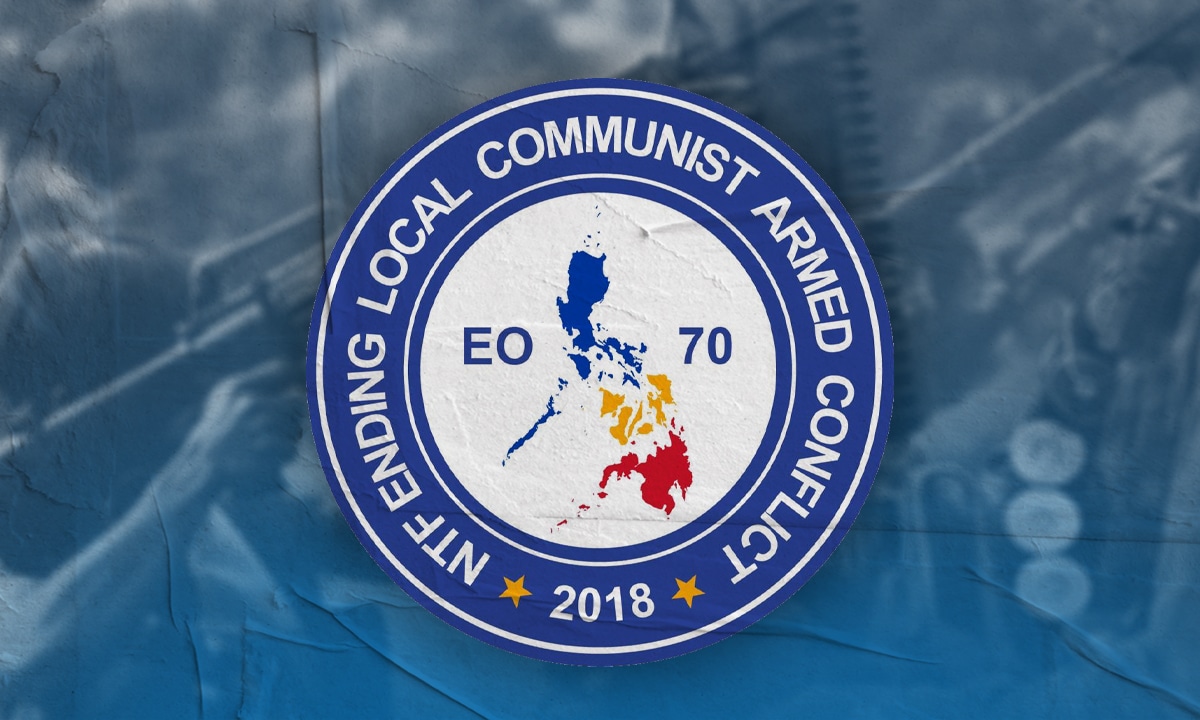
Catholic organizations are questioning the proposed allocation of up to P8.1 billion for the National Task Force to End Local Communist Armed Conflict (NTF-Elcac), a body created during the Duterte administration to help dismantle the leftist insurgency but repeatedly accused of “Red tagging.”
In a pastoral letter issued on Tuesday night, Caritas Philippines and the Episcopal Commission on Social Action, Justice and Peace (Ecsa-JP) said the fresh funding being proposed for the task force in 2026 requires “serious moral scrutiny” for being another “instrument of patronage.”
“Precisely because we seek genuine and lasting peace, we raise grave concern over this allocation, which is presented as a ‘reward’ for local government units and barangays declared ‘cleared’ of insurgency,” they said.
Composed of various government agencies, the task force was established in 2018 following the termination of on-and-off peace talks between the government and communist insurgents during the Duterte presidency.
It uses the so-called whole-of-nation approach to free an area of rebel activity or support network not just through military operations but also through an integrated delivery of services and development initiatives—the main justification for its yearly funding.
In 2022, the last year of the Duterte administration, the task force operated on a budget of P17.1 billion.
In 2023, kept intact by the Marcos administration, its purse thinned to P10 billion. It was slightly increased to P10.3 billion in 2024, but drastically cut this year to P1.95 billion.
Peace ‘not a prize’
In their pastoral letter, Caritas and Ecsa-JP stressed that peace is “not a prize to be handed out or a favor to be earned.”
“Peace is the fruit of justice. We recognize the desire of the government to bring peace and development to conflict-affected areas. Yet good intentions cannot justify approaches that undermine justice, human dignity, and democratic participation,” the groups said.
“Framing development assistance as a reward converts public funds into instruments of patronage rather than tools of empowerment. Aid becomes associated not with people’s inherent dignity and rights, but with compliance, silence, and political favor,” they added.
They noted how the task force continued to use an approach that “fosters fear rather than participation, dependence rather than empowerment, and short-term compliance rather than lasting social transformation.”

“We are deeply alarmed by persistent reports linking NTF-Elcac implementation to Red-tagging, harassment of civil society actors, and alleged human rights violations. Development must never be tied to security labels,” they added.
“Public assistance must never come at the cost of people’s freedom to speak, organize, and participate in democratic life. Peace cannot grow where dissent is criminalized. It cannot take root where communities are treated as targets rather than partners in development,” they added.
Focus on cutting ‘roots’
The Marcos administration should instead focus on “confronting the structural roots of poverty” that stoked the insurgency and allowed it to drag on for decades.
It should devote its energy on dismantling political dynasties, strengthening transparency and accountability, and advancing genuine agrarian reform, decent work and a living wage, among other priorities, they said, adding:
“Caritas Philippines and Ecsa-JP stand with communities in their struggle not only for assistance, but for dignity; not only for projects, but for justice; not only for temporary calm, but for a peace that is rooted, inclusive, and lasting.