







Conflict-related sexual violence surges as tactic of war

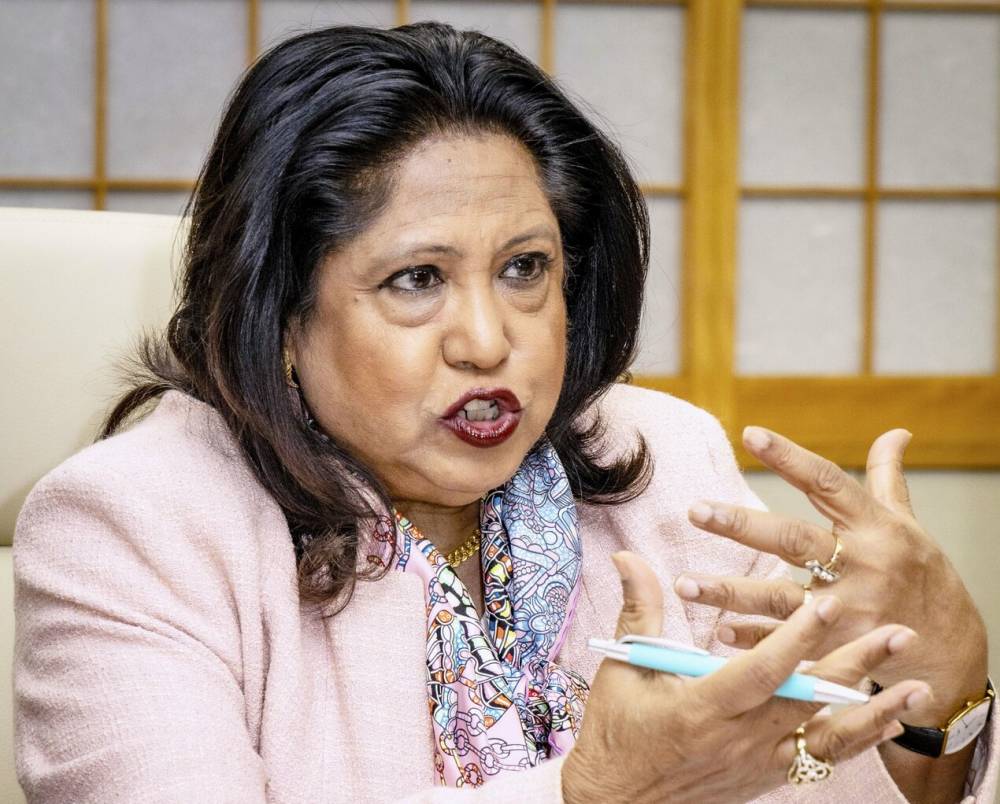
Conflict-related sexual violence has seen a sharp rise and is being used as a “tactic of war, torture, terrorism and political oppression,” a UN special representative has said, calling on Japan and other nations to continue funding and supporting victims.
Pramila Patten, special representative of the secretary general on sexual violence in conflict, said in a recent interview with Kyodo News that the United Nations’ support framework is at a “critical time” due to reduced funding from the United States and other major donors.
Conflict-related sexual violence includes rape, sexual slavery, forced prostitution and any other form of sexual violence of comparable gravity perpetrated against people regardless of age and sex that is linked to a conflict, according to the 2025 annual report compiled by Patten’s office.
Male victims rising
“It’s a strategy. It’s deliberate to humiliate, to terrorize, to destabilize,” Patten said. “It’s a powerful tool.”
In 2024, the United Nations documented and verified more than 4,600 cases of sexual violence in conflicts, which was a 25-percent increase compared to the previous year. The surge among child victims reached a critical level of 35 percent, according to UN data.
While the majority of victims are female, the number of male victims is also rising.
“This is a story of brutal sexual violence, on whom violence has been inflicted with the purpose of destroying not only that individual person, but the family, the society, the community, and is far-reaching,” Patten said.
Citing the fact that sexual violence is chronically underreported crime due to shame and stigma, she added, “It can only be the tip of the iceberg,” as sexual violence involves a fear of reprisals and lack of trust in judicial institutions.
Displacement = vulnerability
Patten also raised concerns over massive displacements in recent conflicts, such as in Ukraine and Sudan, saying, “Displaced people are extremely vulnerable.”
Since 2014, the Japanese government has provided about $16 million in funding to Patten’s office. These resources have been allocated not only to medical and psychological care for survivors, legal support, and livelihood assistance, but also for work on justice and accountability.
For instance, Japanese funding helped Congo establish an investigative unit for sexual violence, leading to the conviction of a local councilor involved in the rape of more than 40 children.
Having been in her post for almost nine years, Patten said, “I remain optimistic” and vowed to continue working with international partners including Japan.
“What we need is the courage to stand up, the courage to engage, the courage to adapt to the reality of the time and to rebuild for a changing world,” she added.