








Cordillera securing rice stocks amid oil crisis

BAGUIO CITY—As conflict rages in the Middle East, highland communities in the Cordillera have been urged to prioritize food security, officials said during the Cordillera Regional Development Council’s first quarterly session on Thursday—coinciding with the 26th day of hostilities involving US, Israeli and Iranian forces.
The crisis has disrupted shipping routes through the Strait of Hormuz, affecting fuel supply chains and the delivery of essential agricultural inputs, such as fertilizers.
In response, local governments in the upland region have been granted access to their calamity funds to support contingency measures.
Kalinga Gov. James Edduba, citing a Wednesday meeting of Luzon governors, said diesel supply has been assured by three major oil companies.
Additionally, each local government is entitled to P56 million in grants from the Office of the President to purchase rice and support farmers in mitigating the supply chain disruptions caused by the war.
Edduba noted that Kalinga is also developing an aid package for farmers who rely on gasoline-powered irrigation, directly affected by the global fuel crisis. “Diesel in Tabuk City has exceeded P100 per liter,” he said.
Harvest season
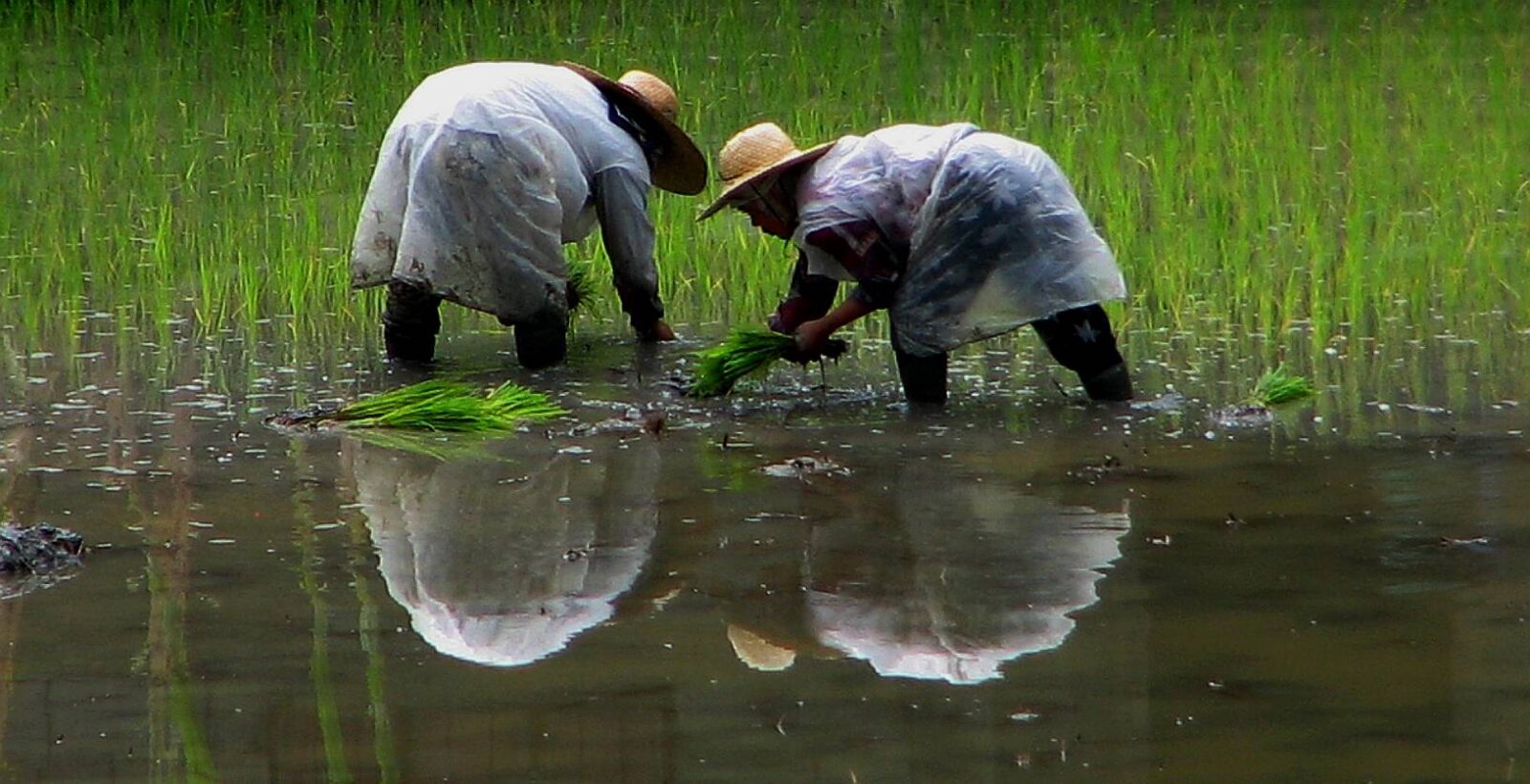
With fresh harvests expected in the coming weeks, local governments plan to transact directly with farmers to secure local rice stocks before hoarders target supplies, according to Jennilyn Dawayan, Cordillera director of the Department of Agriculture.
“April and May are harvest months,” she pointed out.
Nearly all Cordillera provinces—Kalinga, Ifugao, Apayao, Abra, Benguet and Mountain Province—cultivate rice, with many indigenous communities, including the famed Ifugao rice terraces, integrating the crop into their rituals and cultural traditions.
Data from the 2025 regional situationer submitted by the Department of Economy, Planning, and Development (DEPDev) shows that Cordillera’s palay output rose to 339,249.79 metric tons in 2025, a 13.31-percent increase from 299,400.11 MT in 2024.
Kalinga led the growth with a 36.76-percent increase, followed by Abra at 6.48 percent, while Apayao recorded a 9.57-percent decline. Benguet, Ifugao and Mountain Province also posted gains, contributing to the region’s overall upward trend.
“Kalinga produces 70 percent of the rice consumed and sold across the highlands,” Edduba said.
State-run mills
The governor added that the province has requested funding from the national government to build state-run rice milling facilities and a temperature-controlled silo capable of storing grains for up to a year. “We purchased land in Rizal town so we no longer rely solely on commercial millers,” he said.

Officials warned that recovery from the conflict’s effects could be long-term, as inflation and fuel supply are linked to the reconstruction of damaged oil facilities.
Jose Dado Jr., DEPDev Cordillera chief of planning, said farmers should anticipate higher production costs in the next planting season.
The Philippine Rural Development Project noted that Cordillera’s rice sufficiency from 2019 to 2024 averaged 96.23 percent—nearly meeting local needs. However, sufficiency fell from a 111-percent surplus in 2019 to an 85 percent deficit in 2023, driven by fragmented production systems, low productivity and reliance on imports.
“Provinces like Kalinga, Apayao and Abra serve as surplus areas supplying nearby deficit regions, such as Benguet and Mountain Province, while Ifugao sustains its niche heirloom rice industry linked to tourism and cultural heritage,” the report said.
Edduba also proposed that Cordillera pursue emergency clearances for stalled renewable energy projects to help ease potentially high electricity rates amid the ongoing global crisis.
He noted that 10 hydroelectric projects along the Chico River in Kalinga have been pending for seven years, some dating back to his tenure a mayor.