







Covering–and learning from–Covid-19


The Philippines, like many other countries, was not immune to the initial shock waves of the COVID-19 pandemic.
Reports of rising influenza-like illnesses in the past months pushed Filipinos to be more careful—yet again. Some were again seen wearing face masks.
Given the years of living under the shadow of COVID-19, such reaction to sickness is, I guess, expected.
During the pandemic, journalists played a crucial role in keeping people informed, while also experiencing difficulty delivering information about COVID-19 from government officials, some of whom were reluctant to answer queries.
Reporters worked remotely as government press conferences were held online. This led to many unanswered questions, including why the COVID-19 crisis was escalating amid class suspensions and travel restrictions.
Scary experience
The Philippine Daily Inquirer had adjusted to the pandemic to ensure that coverage continued while the safety of employees was also protected. The work arrangements included shuttle service to pick up and drop off employees, as well as the implementation of the work-from-home option.
There were instances when reporters exposed to people who tested positive for COVID-19 feared they had caught the virus, too.
I repeatedly cried out of fear that I might have brought the virus to my parents, who are both senior citizens, and my daughter, who was still a minor.
While the experience of covering the pandemic was both exciting and instructive, I must admit that it was often scary most of the time.
But I also knew that despite the fears that came with the job, journalists needed to present accurate news to the public so they would know what to do, especially when more and more people began catching the virus.
These days, every time the flu season comes around, I always think that the simple act of wearing a mask is not just about safekeeping oneself or others, but is also about preventing history from repeating itself.
During the pandemic, journalists had to find alternatives and adhere to safety measures to gather news once lockdowns and compulsory social distancing measures were implemented.

Invisible subject
Reporters had to strategize when it came to news gathering, especially in verifying information and interviewing sources.
Philippine media organizations took unprecedented steps to ensure the well-being of employees while delivering timely updates to a public starving for information.
Compared to other assignments, the danger for journalists this time was that the deadly subject was invisible.
In July 2023, President Marcos lifted the “state of public health emergency” declared due to COVID-19. But while the pandemic exposed weaknesses in the country’s health-care system, the Department of Health believed it also paved the way for “transformative improvements” in health-care response.
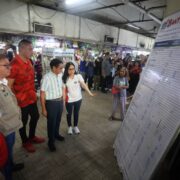
The COVID-19 may have upended our lives, but it also encouraged us to see things in a different light, to find creative ways to thrive in the new normal and to appreciate our homes and our loved ones.
Staying positive
The pandemic forced all of us to quickly bounce back from challenging times. It allowed us to adapt in many ways—in the way we connected and engaged with people, the way we worked and the way we took care of our health.
I learned that staying positive was key. I had the opportunity to exercise, eat healthier meals and spend more time talking to my family.
But more than protecting one’s health to fight illness, I also learned pandemic survival tips that I practiced with my family.
It helps to be equipped with the right information to allow you to make cautious yet rational decisions. Thus, getting facts from verified media outlets is important amid the spread of fake news.
It also pays not to be overconfident or too complacent because of other people around us.
While we may think of ourselves as having strong immune systems, we have to be considerate of others, like our senior citizen parents, who are more vulnerable.
Taking care of oneself also means taking care of others, particularly in our own households. For many of us, it took a pandemic to drive home that truth.