





Denmark, PH sign pact on hiring of Pinoys as caregivers

The Danish government is looking to open caregiver jobs to about 100 Filipinos per year to fill the gap in its workforce in the elderly care sector.
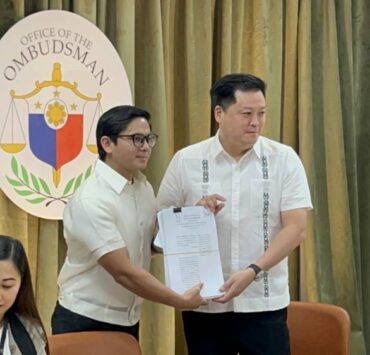
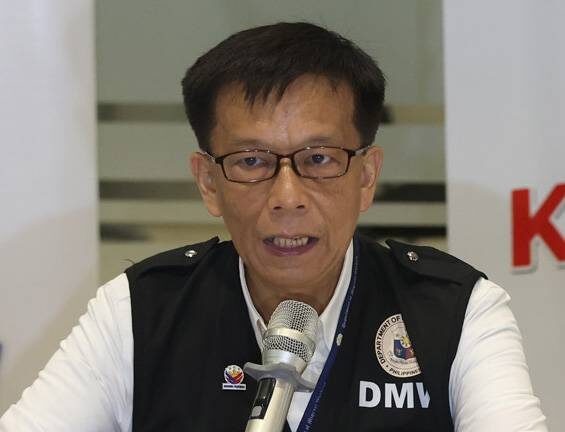
Danish Minister for Senior Citizens Mette Kierkgaard and Department of Migrant Workers (DMW) Secretary Hans Leo Cacdac signed a memorandum of agreement on Thursday for the government-to-government initiative that is set to start by next year.
Kierkgaard, who is visiting the Philippines this week, said that Filipino workers would not be discriminated against in the workplace as their salaries and benefits would be the same as their Danish counterparts.
“Filipinos will be employed under the same conditions as their Danish colleagues. You know, working hours, wages and so on. It has been very, very important to have the commitment of the labor union,” she said in a press conference at the Danish ambassador’s residence in Makati City.
Receiving program
But the actual on-job deployment of Filipino caregivers could start sometime in 2027, as they would have to first undergo a “receiving program,” including learning the formal Danish language, to help them easily adapt to their new environment.
From the initial 100 Filipino workers, more may be tapped if the program turns out to be beneficial for both governments, the Danish official said.
For his part, Cacdac said that safeguards are in place to ensure that illegal recruiters will not prey on applicants.
For one, the recruiter, the employer and the worker should be accredited and documented by the DMW to prevent Filipinos from falling victim to unnecessary fees and charges, or worse, to human trafficking and illegal migration.
Citing estimates, Kierkgaard said that Denmark is facing a shortage of workers for elderly care, with this sector needing about 24,000 more workers in the next 10 years.
“We have more people going from part-time to full-time … But I think we have to employ all remedies and that’s why I’m so happy about this recruitment from the Philippines, because we simply need them very much, because care is at the core of our welfare system,” she explained.