










DENR warns of ‘water bankruptcy,’ to tap filtration, desalination

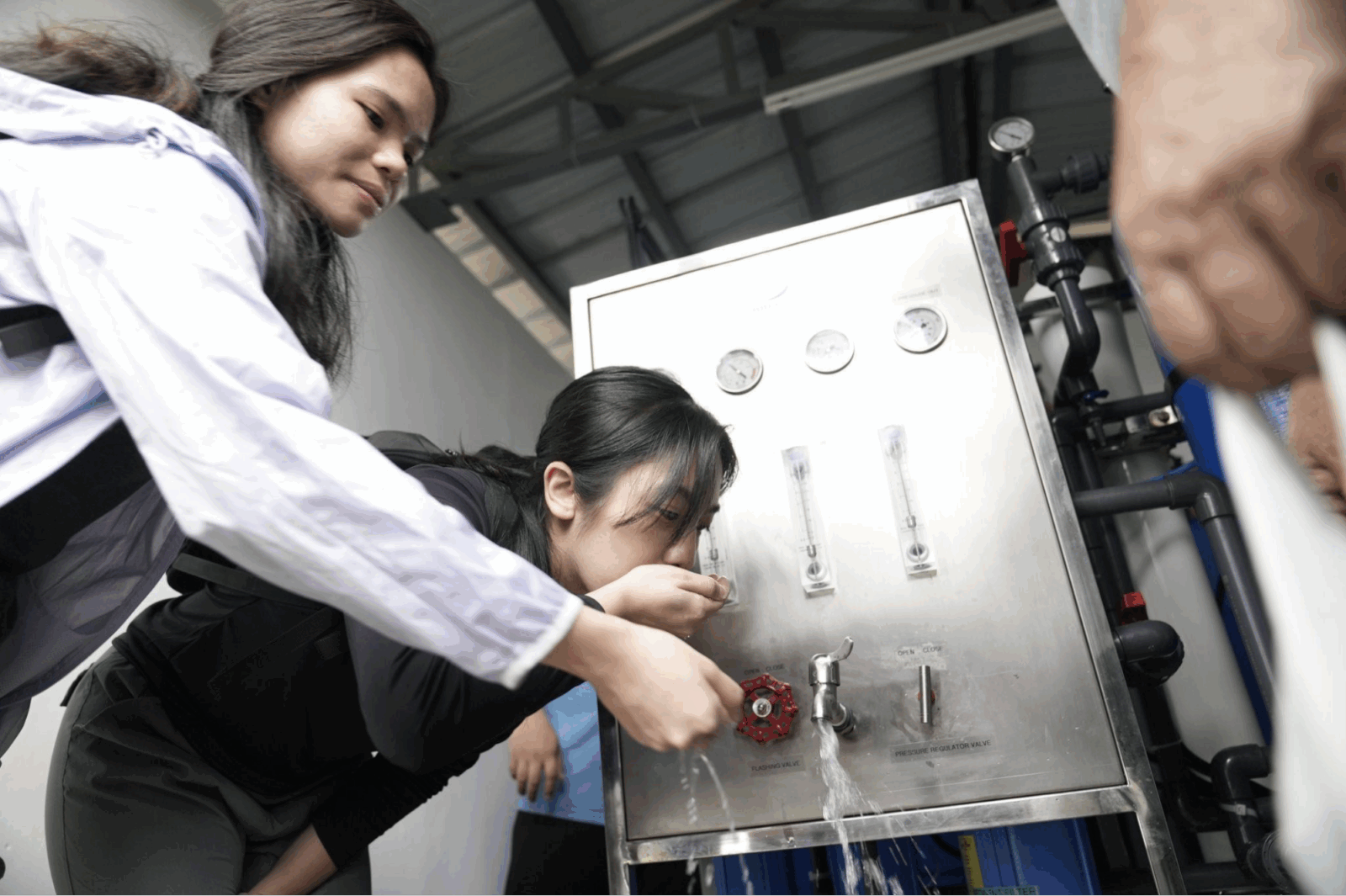
The Department of Environment and Natural Resources (DENR) plans to deploy filtration and desalination systems across several “water-stressed” provinces as it warned the country faces “water bankruptcy.”
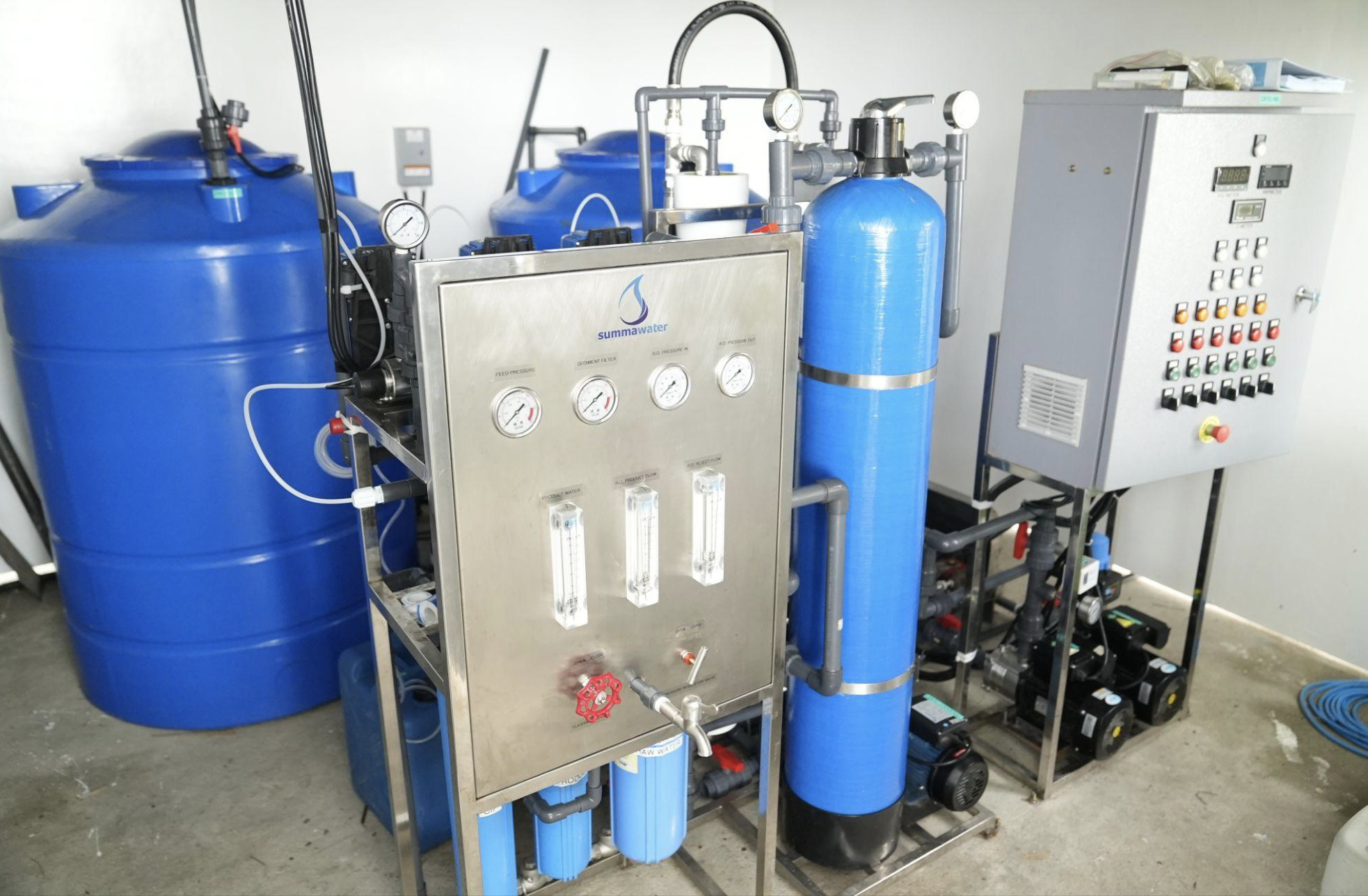
The agency’s Water Resources Management Office (WRMO) said it will soon activate high-performance filtration and desalination systems in 59 barangays in Masbate, Cebu, Bohol, Palawan and other areas where access to clean water has become critical.
The DENR also aims to complete spring water systems across 11 sites which will feature a micro-hydropower component that can provide “simultaneous water and energy solutions.”
Moreover, financial assistance will be provided to 13 water districts so their service grids can be extended toward unserved outskirt barangays.
The projects will cost P256.9 million in total and are expected to benefit 220,027 residents, the DENR said in a statement on Sunday.
Based on a report by the WRMO, the DENR still has a budget of P485 million, covering the period of 2024 until the current year, for the implementation of those projects. That amount is expected to benefit about 440,904 residents once completed.
Among the technologies cited by the DENR, desalination was introduced in the archipelago in 2021, with the inauguration of a desalination plant system in Mavulis Island, the country’s northernmost outpost in Batanes province.
In a statement that year, the Department of National Defense said the plant, which is capable of producing 1,500 gallons of potable water daily, was completed by the Northern Luzon Command (Nolcom) of the Armed Forces of the Philippines together with the AFP Savings and Loan Association Inc. (AFPSLAI), which provided P3.09 million for the facility’s construction.
PH river basins
In his remarks at the World Water Day PH Awards 2026 held on March 19, acting Environment Secretary Juan Miguel Cuna said the number of “groundwater-stressed” areas in the country has increased to 26 from only nine in 1998.
He noted further that 15 of the country’s major river basins “are being pushed to their absolute limits,” adding that the Philippines is now in a “crisis where our wells are running dry and their agriculture engines are stalling.”
“We are currently facing what we call water bankruptcy—a structural imbalance where our consumption far outpaces nature’s ability to replenish the tank,” he said.
Stormwater, other sources
Cuna said the DENR is working to fast-track the approval of permits for communal water use and for monitoring of surface water and groundwater sources, while also collecting stormwater through multipurpose dams and retention basins.

One of the biggest challenges facing the department is lack of funding, Environment Undersecretary Carlos Primo David said in a briefing that day.
“The fiscal [resources] of government the past few years [have been] very narrow. You can really only ask a small amount from [the Department of Budget and Management or DBM]. So, I constantly go around and present a lot of these types of projects to [the Department of Economy, Planning, and Development], to DBM, for them to realize our project is worth it,” David said.
“Essentially, what we are doing is investing P1,000 per person and that P1,000 goes a long way [but in the long run] not a lot,” he said.
Cost of potable water
The water projects seek to address critical supply gaps in island, coastal, inland, upland, and geographically isolated and disadvantaged areas, where prices of potable water are high because of the distance covered in their delivery.
The WRMO said it has so far provided high-grade refilling equipment in remote water districts in the provinces of Zamboanga del Sur, Lanao del Norte, Leyte, Negros Oriental and Cagayan. These efforts have helped lower the price of drinking water by almost 50 percent.
Through the agency’s water filtration program, remote island communities in Romblon, Sorsogon, Occidental Mindoro, Bohol and Zamboanga City are now able to buy a 5-gallon (19 liters) container of water for P20 to P25 from the previous price of P50 to P70.
“We’re targeting the most isolated, the poorest, and those communities with the least access to water. They’re the ones most in need,” David said. —WITH A REPORT FROM INQUIRER RESEARCH