



DepEd issues new rules on class suspensions

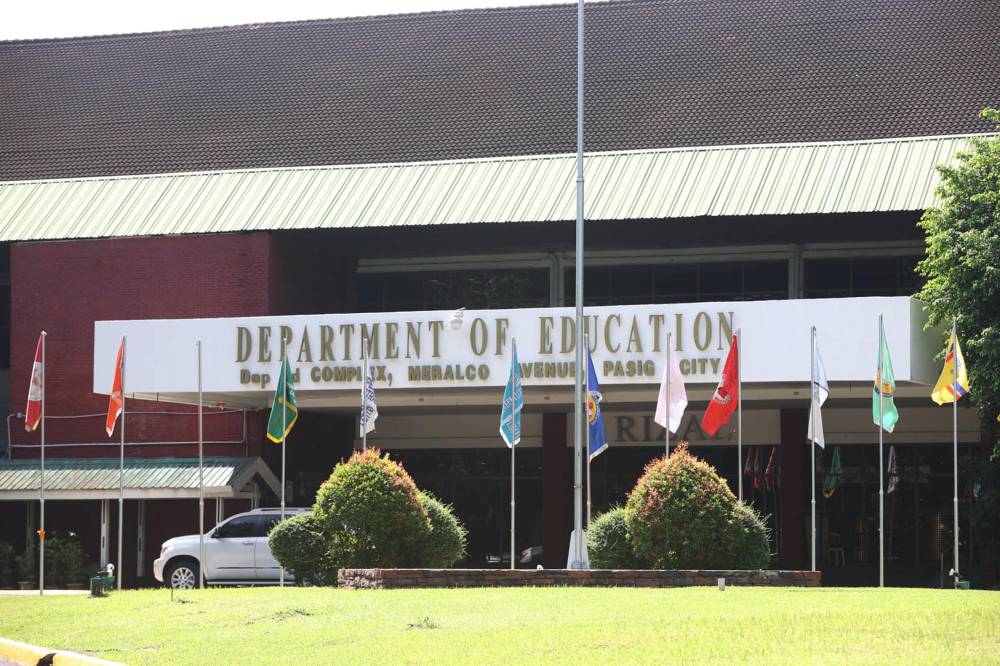
The Department of Education (DepEd) on Friday said it has issued new guidelines to help schools make decisions during weather disturbances and other emergencies that may cause disruptions to classes.
In a statement, the agency said it issued DepEd Order No. 14 that provides a “clearer framework” for school heads, division alternative learning system focal points and schools division superintendents when making decisions during typhoons, floods, earthquakes, extreme heat, health crises, violence, armed conflict and other emergencies.
The policy introduces a learning continuity framework with four levels that are meant to guide schools in selecting the appropriate response based on the safety, readiness and condition of learners and teachers.
Different levels
The first level is called “hayo” or continue, where regular in-person classes are held after stakeholders are deemed safe. The second is “hinay” or ease-in, which calls for a slower and more flexible learning pace during mild disruptions.
Under the third level, called “hinga” or check-in, academic demands are reduced and well-being checks are prioritized. For the fourth level, called “hinto” or stop, learning is halted because safety and basic needs are now considered at risk.
The policy also provides capacity building for teachers regarding trauma-informed teaching, psychological first aid and learning delivery across different emergency levels.
Regional and school division offices are also directed to support the mental health of teachers and provide emergency assistance, especially in high-risk or under-resourced areas.

Moreover, school heads are encouraged to coordinate with school division superintendents and local government officials when deciding on class cancellations, ensuring that suspensions are “highly localized” and based on actual community conditions.
DepEd said the new guidelines aim to avoid the automatic suspension of classes when students and teachers are safe and ready. Rather, it is meant to guide schools on how students can continue to learn even when disruptions occur.
The agency also noted that the new policy is meant to complement the existing guidelines on class and work suspensions in schools during disasters and emergencies.