



Diesel to drop by nearly P21/L as gasoline prices also cut

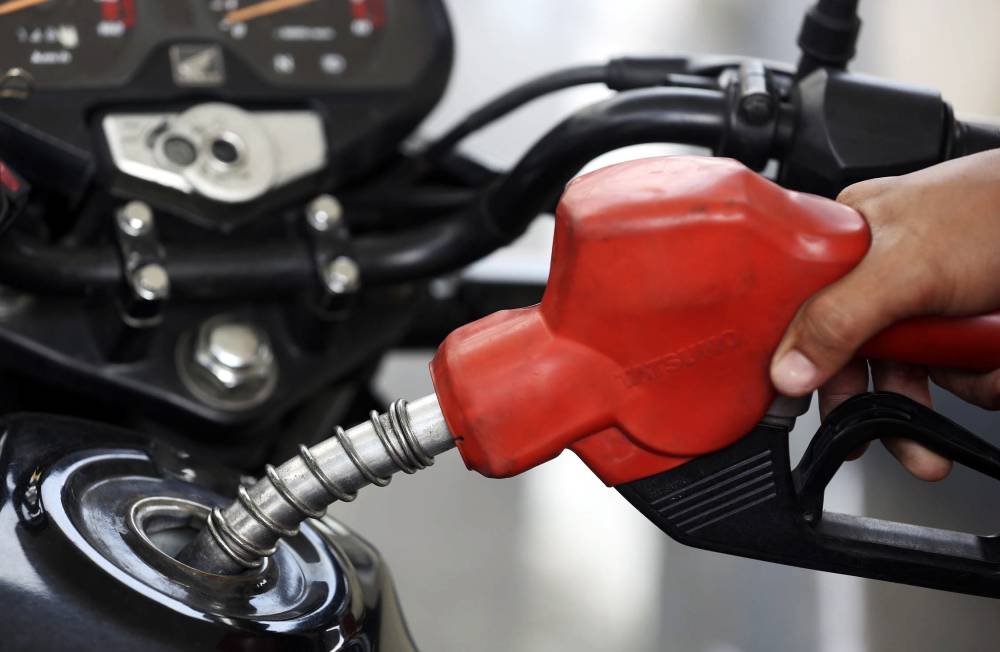
Fuel prices are projected to go down by several pesos this week, with diesel dropping by almost P21, breaking the cycle of hikes seen since last month due to the global oil crisis triggered by the Middle East war.
In a video message on Sunday, President Marcos said oil companies are expected to implement the following “significant” decreases: P20.89 per liter for diesel, which powers trucks and public utility vehicles; P4.43 per liter for gasoline, which runs private vehicles and motorcycles; and P8.50 per liter for kerosene.
The rollback will be implemented starting Tuesday, April 14.
“But this is not enough. That is why the government continues to take action to ease its impact on your daily lives,” the President said. “We will not stop until we bring down the cost of transportation, food, and the overall cost of living of our people.”
Mr. Marcos said that he would announce additional measures and assistance from the government to help drivers, commuters and Filipinos struggling with high fuel prices “in the coming days and weeks.”
“We will not allow any Filipino to be neglected amid these challenges. That is why the government continues to work to ensure that every family feels relief,” he added.
The President’s announcement is consistent with Energy Secretary Sharon Garin’s social media post earlier on Sunday on price rollback projections expected to take effect from April 14 to April 20.
“It’s based on the average of the last five days’ international prices and comparing that to the average of the previous week,” Garin said. “Although not all gas stations have the same pump prices, [that should be] the minimum rollback or ‘bawas-presyo.’”
Mr. Marcos is also likely to announce on Monday his decision on whether to suspend or reduce excise on fuel products, according to Palace press officer Claire Castro.
Decision on fuel excise
The President could only invoke his newly granted emergency power by April 12 or April 13, at the earliest—the first day when Republic Act No. 12316 takes effect following the 15-day publication period on the Official Gazette.
The Development Budget Coordination Committee on April 7 submitted for Mr. Marcos’ approval its recommendation on whether to reduce or suspend taxes on gasoline, diesel and other fuel.
The Palace noted that the decision would strike a balance between reducing the prices of fuel and the government’s income to continue its programs.
The Department of Finance, however, earlier warned that suspending the collection of excise on fuels from May to December would result in revenue loss of up to P210 billion.
But even with fully slashing the taxes, the measure can only pull down the price of diesel by P6 per liter, while the price of gasoline, liquefied petroleum gas, and other petroleum products could be reduced by P10 per liter.
In addition, any reduction or suspension of the excise on petroleum products will apply only to incoming fuel shipments and not to existing inventory.
Transport groups and other lawmakers have been calling the government to also suspend the 12-percent value added tax of fuel products to further pull down their prices.
Kalinga Act proposal
Speaker Faustino “Bojie” Dy III and Majority Leader Ferdinand Alexander “Sandro” Marcos, meanwhile, have filed a bill institutionalizing a national protection system in response to crises.
House Bill No. 8834, otherwise known as the Kalinga Act, aims to establish a national government response and framework against the burdens of economic crises and other emergencies.

The measure includes setting up the “Kalinga Program,” to be automatically activated through the President in situations such as sudden price increases, extraordinary inflation, low fuel supply, and a declaration of a national energy emergency. This is intended to benefit vulnerable sectors, particularly low-income families, disadvantaged workers, and the transport and agricultural sectors.
The proposed program covers several components, including fuel price stabilization and flexible fiscal and regulatory measures requiring the government to create mechanisms that will stabilize fuel prices through tax adjustments.
It also has components on energy supply, security, and inventory management, and on energy conservation and demand reduction that are meant to ensure enough supply of oil, fuel, and electricity by expanding fuel contracts with other countries, and mandating energy saving initiatives.
The goods and logistics stabilization component, meanwhile, is aimed at cushioning the effect of the crises on the prices of essential goods by supporting transport and distribution streams to ensure enough stocks.
The measure also intends to provide assistance to affected sectors, particularly micro, small, and medium enterprises through cash aid, subsidies and low-interest loans.
The authors filed the bill due to the impact of the Middle East conflict on the Philippines, particularly on the energy sector.
Since tensions began on Feb. 28, the price of fuel experienced a significant increase due to the escalation in the Gulf region—an area where oil supply is high and trade routes are crucial. —WITH A REPORT FROM KEITH CLORES
******
Get real-time news updates: inqnews.net/inqviber