








DOH proposes 80% of Maifip to fund ‘zero balance’ billing

The Department of Health (DOH) on Monday proposed a special provision to its Medical Assistance to Indigent and Financially Incapacitated Patients (Maifip) program that will allocate 80 percent of its budget to the zero balance billing program implemented in local hospitals.
Cardinal Pablo Virgilio David on Sunday criticized the Maifip program as a form of “health pork barrel,” noting that politicians will still be “in control of who gets the assistance, how much, and when.”
David, the bishop of Caloocan, was responding to the bicameral conference committee’s move to raise next year’s budget for Maifip to P51 billion, after the Senate had earlier reduced it to P29 billion.
The DOH, in a statement, expressed support for a Senate amendment in the general appropriations bill, introducing the expansion of the zero balance billing program in hospitals run by local government units (LGUs).
Malacañang on Monday also said the additional funding for Maifip will be used for the zero balance billing program, adding that President Marcos is not keen on vetoing the fund increase.
Letter to Sotto
The department said the “zero balance billing expansion to LGU hospitals” will allow Filipinos to avail themselves of that benefit “not just at DOH hospitals, but also in Level 3 (large) LGU-owned hospitals.”
Given the planned expansion of the program, the agency said it “proposes that a special provision be attached to the Maifip so that most of it will go to zero balance billing expansion to LGU hospitals.”
Based on an Oct. 17 letter by Health Secretary Teodoro Herbosa addressed to Senate President Vicente Sotto III and which the DOH shared to reporters on Monday, the proposed special provision to the Maifip will be included in the 2026 National Expenditure Program as well as in subsequent annual budgets and will have two component funds.
These are funds for catastrophic health spending, which will have an allocation of “not more than 20 percent,” and funds for the implementation of zero balance billing in LGU hospitals which will receive at least 80 percent of the Maifip.
The Catastrophic Health Fund (CHF) will be dedicated, but not limited to “inpatient services, outpatient services, ophthalmology services, drugs and medicines as approved by the Food and Drug Administration, and professional fees.”
Terms of funding
Not more than 2 percent of the CHF can also be used for administrative purposes, the DOH said.
Meanwhile, the 80 percent for the zero balance billing program will be allocated to LGU Level 2 and Level 3 hospitals, provided that 70 percent of the local government’s rural health units and other primary care facilities of LGUs are accredited under the Yaman ng Kalusugan Program (Yakap) of the Philippine Health Insurance Corp. (PhilHealth).
At least 50 percent of LGU residents, however, must also have a “first patient encounter” with PhilHealth, which means that they have already visited a Yakap clinic as a member.
The DOH noted that Level 3 hospitals in cities and first class municipalities will be prioritized as beneficiaries of the funds, followed by Level 2 hospitals in cities and first class municipalities, and Level 2 hospitals in second to fifth class municipalities.
Moreover, funding for each LGU shall be adjusted “per capita and in consideration of available facilities and municipal class,” subject to guidelines set by the DOH.
The letter also pointed out that medical assistance to indigent patients shall also apply to emergency cases handled by private health facilities, provided that it is the closest in distance and is able to provide the needed treatments.
The DOH’s Centers for Health Development may also enter into an agreement with “private hospitals and clinical laboratories for health and medical services intended for indigent patients that government hospitals are unable to provide,” it added.
‘Patronage’
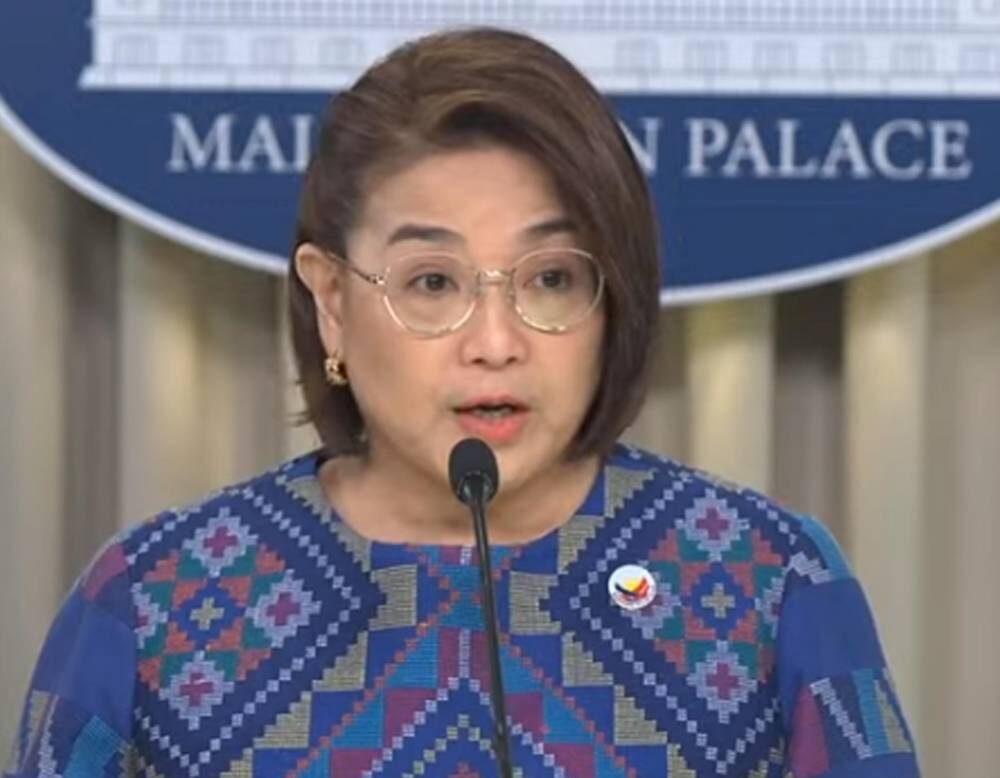
In her press briefing on Monday, Palace press officer Claire Castro said the use of Maifip funds for zero balance billing would be expanded from 87 DOH hospitals to hundreds of qualified LGU hospitals.
“The funds will not pass through politicians,” she assured the public. “They will go directly to the local government units and LGU hospitals, and the DOH itself will implement the program.”
But Dr. Tony Leachon, an independent health reform advocate, warned that Maifip was undermining Filipinos’ legally mandated right to universal health care (UHC).
“Maifip’s guarantee‑letter system requires political endorsements, turning what should be a universal entitlement into a politically mediated privilege. This mirrors the unconstitutional features of pork barrel politics flagged by the Supreme Court in past rulings,” he said in a statement.
“When funds meant for PhilHealth and UHC are diverted, the system shifts from universalism to patronage, weakening institutions and compromising patient dignity,” he said.