





‘Edsa@40’: Tireless call vs corruption, dynasties

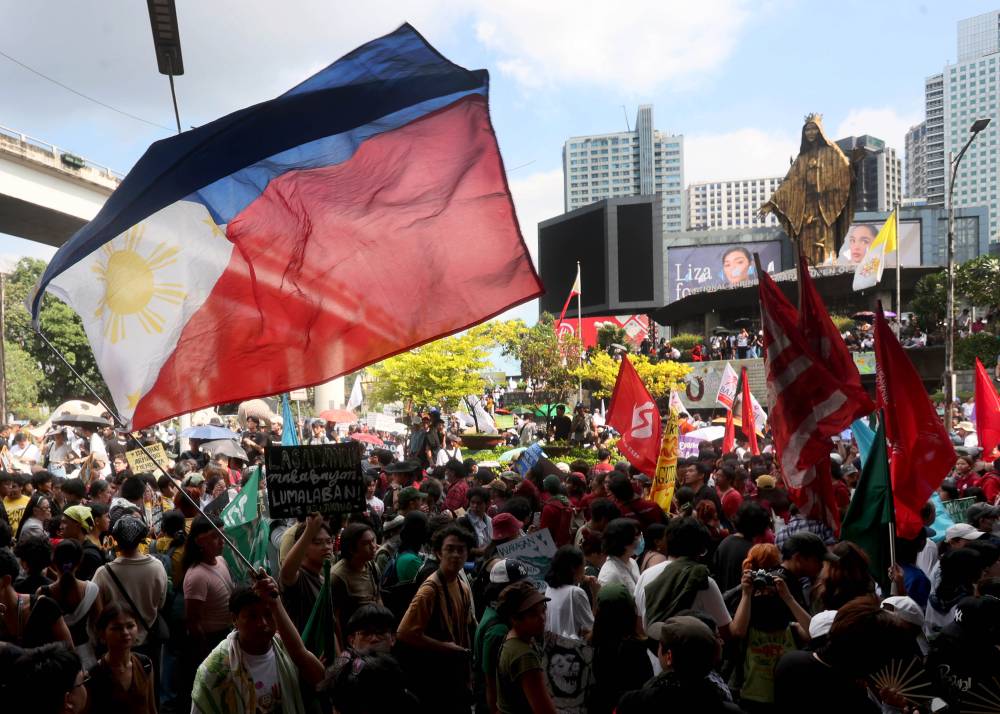
Various civil society groups used the 40th anniversary of the Edsa People Power Revolution as a rallying point for a stronger and more sustained clamor for reforms, accountability and social justice, starting with the prosecution of individuals linked to public works corruption and the long-delayed passage of an antidynasty law.
But behind the familiar slogans was also a call for reflection on why the afflictions Edsa sought to end continue to this day or even got worse.
Rallies were held on Edsa and other parts of the country on Wednesday to commemorate the peaceful four-day uprising in February 1986 that toppled the dictatorship of Ferdinand Marcos Sr.
The day was declared a “special working day” by the government, now headed by the late strongman’s son and namesake. Several schools, however, suspended classes to honor the Edsa legacy.
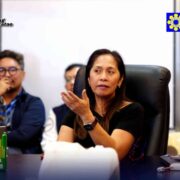
Kiko Aquino-Dee, coconvener of the Trillion Peso March Movement (TPMM), said it was important to ponder the current state of the country compared to the martial law regime of Marcos Sr.
“Why have we reached the point where we have surpassed the abuses [committed by] the Marcos Sr. administration during the time of [former] President [Rodrigo] Duterte? And why have we surpassed the corruption of the Marcos Sr. administration during the tenure of Marcos Jr.?” asked Dee, a grandson of former President Corazon Aquino who was catapulted to power by the 1986 revolt.
“It is also important that we ask ourselves why we allowed this to happen, especially since we are still a democracy and we are the ones who have a say in our elections,” he said.
Mr. Marcos, who was 29 years old when he and his family were exiled to Hawaii, led by a wide margin in the 2022 presidential election. His running mate, Sara Duterte, the daughter of former President Rodrigo Duterte, also won in the vice presidential race.
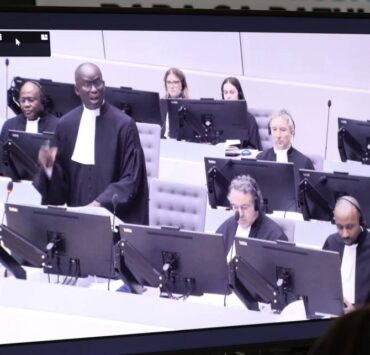
The Vice President resigned from the Marcos Cabinet in 2022 after a bitter falling out with the Marcos administration and is now facing impeachment cases at the House of Representatives. Her father is facing charges for crimes against humanity for his deadly war on drugs, with the confirmation of charges hearings at the International Criminal Court (ICC) in The Hague happening in the same week of the Edsa anniversary.
“We are definitely demanding accountability. That is happening now at the ICC, and that is also our request from Marcos Jr. in the anticorruption campaign at the Trillion Peso March,” Aquino-Dee also said.
2 rallies
“Today’s commemoration of EDSA@40 is historic and important for the families of victims of the war on drugs due to the ongoing confirmation of charges hearing in Duterte’s case for crimes against humanity,” said Rise Up for Life and for Rights, a network of families and advocates of victims of extrajudicial killings (EJKs) under Duterte, in a statement.
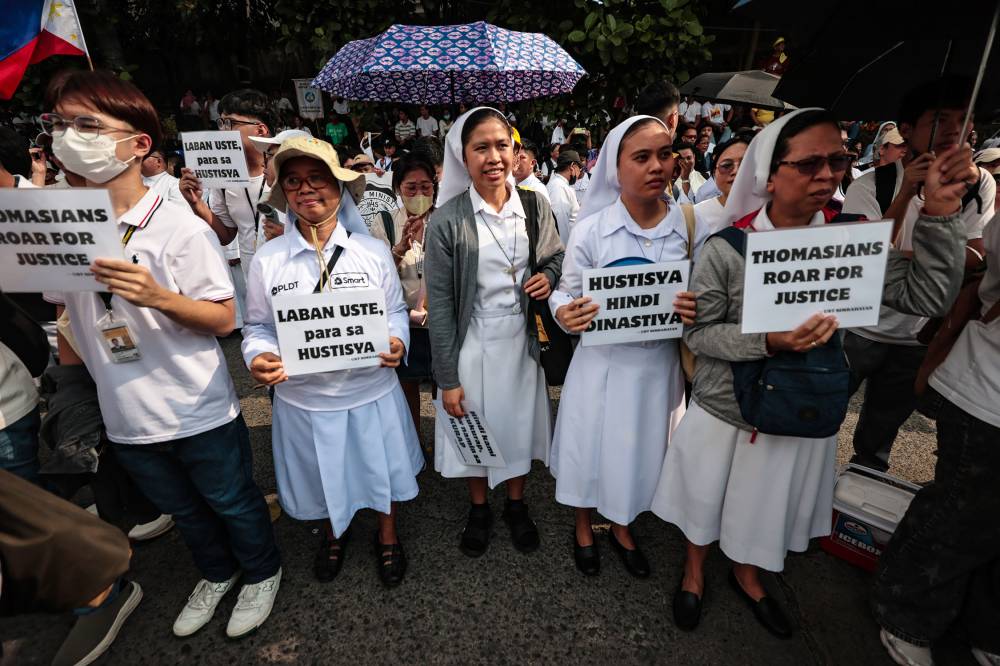
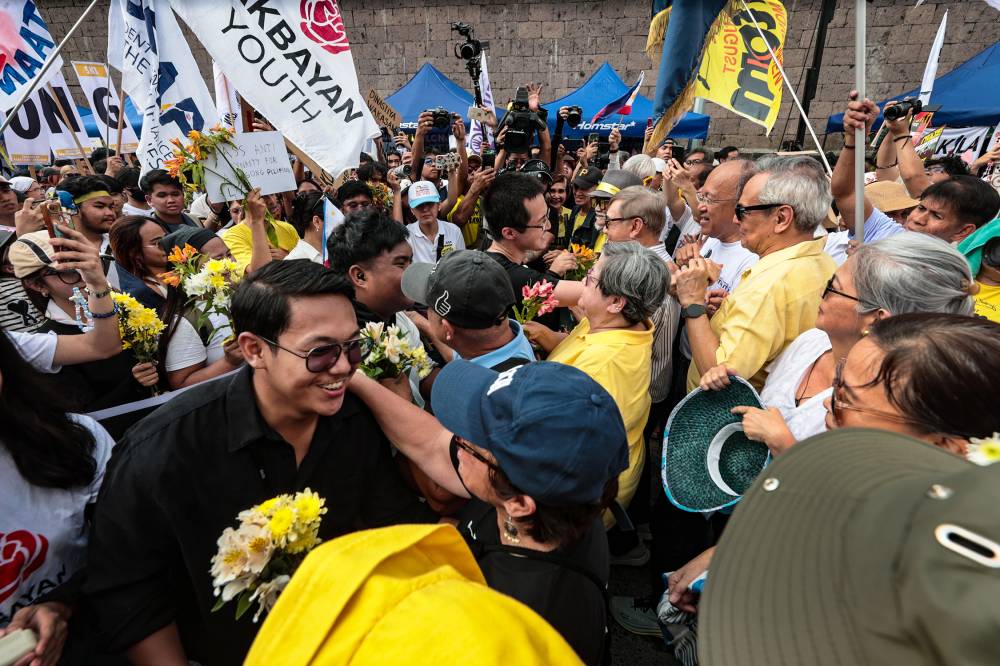
Two separate rallies were held at Edsa on Wednesday: TPPM led a program at the People Power Monument, while the anticorruption coalition Kilusang Bayan Kontra Kurakot, which included progressive groups like the Bagong Alyansang Makabayan (Bayan), gathered at Edsa Shrine.
A scuffle occurred when protesters were blocked on their way to Edsa Shrine, where an estimated 12,000 people gathered. At least two protesters were arrested for direct assault, resistance and disobedience to persons in authority, while seven Philippine National Police personnel were injured, the police reported.
Bayan chair Teddy Casiño said the opposition was still “united” despite holding separate rallies.
“Division will always weaken the movement,” he told reporters on the sidelines of their group’s protest. “[But] the fact that we are both at Edsa means that we do have unity even though we also have disagreements.”
No change
The 1986 revolution, the Catholic Bishops’ Conference of the Philippines (CBCP) said, “captured the imagination of the world and gave birth to a national dream—justice, freedom, truth, and respect for human dignity” and its anniversary should be a time to reflect on the aftermath.
“Forty years later, […] many Filipinos ask a painful question: What happened to that dream?” the CBCP said in a pastoral letter on good citizenship released on Wednesday.
It noted that the country continues to struggle with what it called the “five Ks” that “weaken public life and personal conscience”: Korapsyon (corruption), Kahirapan (poverty), Kriminalidad (criminality), Kasinungalingan (lies), and Kataksilan (treachery).
“These realities have bred frustration and cynicism. Many people quietly say, ‘Wala namang nangyayari.’ Nothing seems to change,” the CBCP said.
It urged Filipinos to “fight impunity together” by pushing for the passage of an “authentic” antipolitical dynasty bill. “Power must remain in the people, not in a few,” it said in another pastoral letter issued on Feb. 17.
The CBCP also announced that it will be launching the “Katipunan Formation Program for Good Citizenship” in every diocese that seeks to shape Filipinos “into good citizens rooted in Christian values.”

“Today’s struggle is different from that of the 19th century. The enemies are no longer colonial rulers, but corruption, lies, injustice, and indifference. These cannot be defeated by force, but by citizens who are morally formed, socially aware, and guided by faith,” it said.
Edsa Day bill
Also on Wednesday, the Liberal Party (LP) said the Philippines’ fight for democracy continues as justice in the country “remains incomplete.”
“Now, Edsa seems like a distant memory to some. It is still being debated whether it should be celebrated. The President’s last name is Marcos again. And there are politicians who aspire to the highest positions in the country while carrying out politics that are contrary to the spirit of accountability and respect for institutions,” the LP said in a statement.
“There are institutions that still need to be healed and strengthened. There are accountability gaps that still need to be filled. And every year, there is a new challenge to freedom—more sophisticated, more noisy, more cunning,” it added.
Despite this, the LP said the Edsa revolution highlighted that Filipinos “can do the seemingly impossible if our purpose is clear and our unity is strong.”
The group also noted that commemorating the revolution is more than an annual ritual but also a pledge to defend the rule of law, strengthen democratic institutions, and demand accountable government.
“We did it before against a dictatorship. We can do it again against every attempt to destroy our institutions and hold government accountable,” it said.
Earlier, Mamamayang Liberal party list Rep. Leila de Lima and other LP members filed House Bill No. 8028, or the proposed Edsa People Power Revolution Day Act, which aims to make Feb. 25 every year a holiday and instill the significance of the revolution in modern democracy. —WITH REPORTS FROM MARY JOY SALCEDO AND JASON SIGALES
******
Get real-time news updates: inqnews.net/inqviber