








Finance chief Go sets more steps vs abuse of BIR’s LOAs

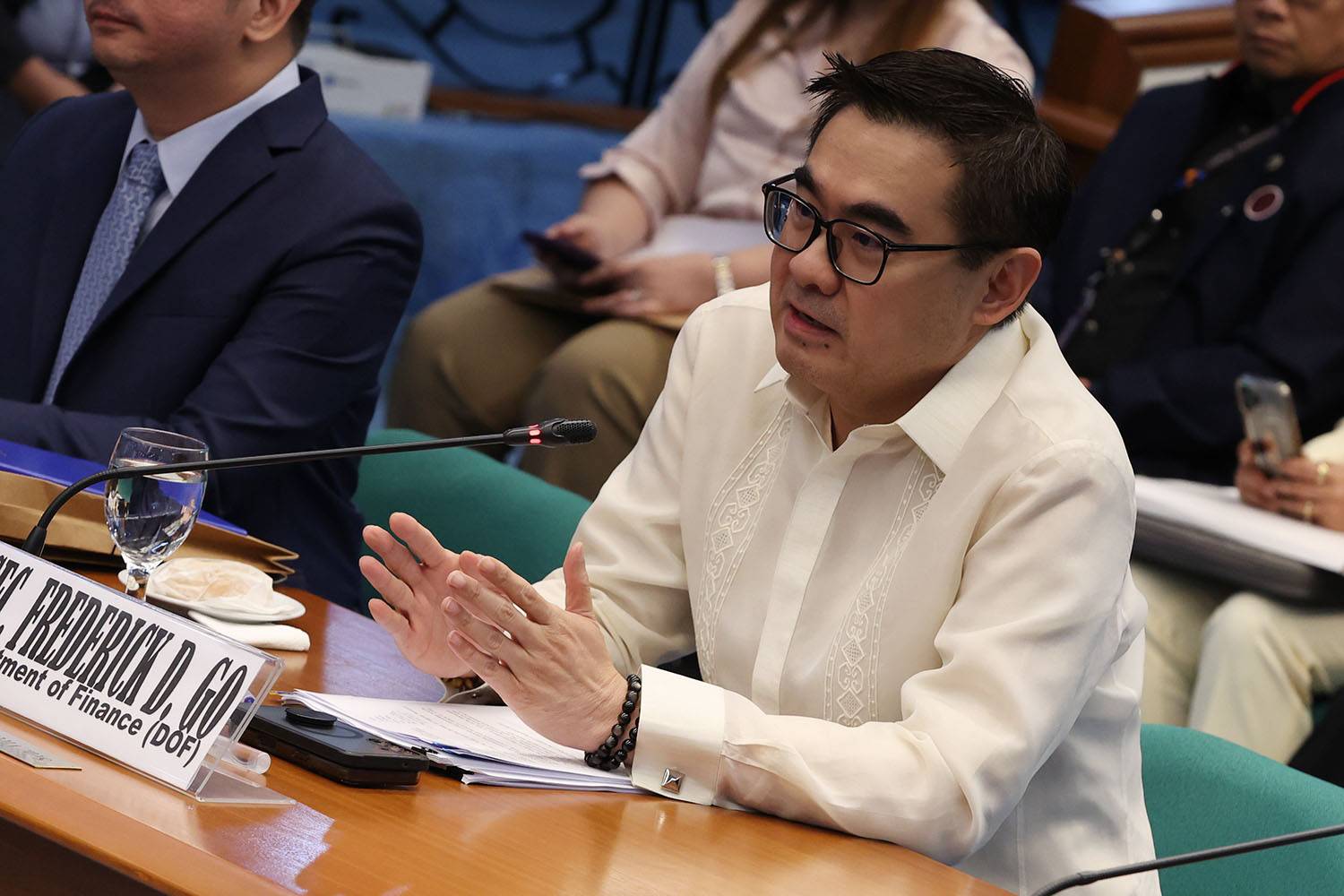
Finance Secretary Frederick Go has laid out additional measures to tighten the Bureau of Internal Revenue’s (BIR) crackdown on the reported abuse and misuse of letters of authority (LOAs), building on earlier reform plans announced by BIR Commissioner Charlie Mendoza.
Go said fixing the LOA system is one of his top marching orders to the country’s main tax collection agency.
“For the BIR right now, the main issue that’s taking all our attention are the [LOAs]. So that’s the most important thing right now,” he said. “I think there are several steps that we’re looking at taking.”
The Senate blue ribbon committee opened on Dec. 11 its inquiry into an alleged money-making scheme within the BIR, including reports that some employees had issued multiple LOAs to the same taxpayer within a single taxable year.
The hearing came just two weeks after the Department of Finance (DOF) and the BIR suspended the creation, printing, issuance, and signing of LOAs and mission orders, following complaints of misuse and abuse.
The move, one of Go’s first major directives since his appointment in November, effectively paused all field audits and related operations.
Digital registry
Among the new safeguards Go disclosed was reducing the number of departments within the BIR authorized to issue LOAs.
“For example, if a company is being investigated, we can probably combine the value-added tax (VAT) investigation and the income tax investigation as one,” Go explained.
According to the DOF, there are currently four offices in the BIR that can issue notices and the plan is to merge the assessment division and the VAT audit section.
Go said another measure is to limit the issuance of LOAs to once a year, noting that under the current setup, a taxpayer may receive a VAT LOA for the first half of the year and another for the second half.
The most significant reform, Go added, is the proposal to create a centralized digital registry of LOAs, allowing taxpayers to verify online whether an LOA issued to them is authentic and authorized.
“The DOF extends its full support and cooperation in addressing the long-standing concerns of our taxpayers regarding red tape, audits, and the alleged weaponization of letters of authority and mission orders,” he said earlier.
Scamming modes
The additional measures build on plans earlier announced by Mendoza at a Senate blue ribbon committee hearing two weeks ago, including the formation of a technical working group to review existing protocols and a requirement for commissioner—or deputy commissioner-level clearance before any LOA is issued.
The BIR chief said the reforms would strengthen the checks and balances in the issuance of LOAs.
During the Senate hearing, Sen. JV Ejercito detailed how erring BIR personnel allegedly scammed taxpayers using LOAs.
One scheme is the issuance of multiple LOAs, citing a case of a taxpayer in Quezon City who was issued four assessment notices within a span of six months.
Another taxpayer was also issued four LOAs by the BIR Laoag office—two each for their mini-grocery and eatery.

“He is just an ordinary business owner working hard for his family and their three children. They even had to use a bank loan to pay the BIR,” the senator lamented.
Then there are “bloated” tax assessments that had no basis, another modus in the agency based on the reports reaching Ejercito’s office.
“The report we received said that a BIR examiner in the City of Manila allegedly offered to settle the LOA for ‘P400,000 all-in.’ Because they refused to give the requested bribe, the examiner allegedly issued an assessment amounting to P13 million,” he said.
“This was reportedly puzzling because the business’ gross sales were only P12 million—even before deducting expenses—yet the assessment was higher than the actual earnings. The computation presented also reportedly lacked sufficient supporting documents or justification,” Ejercito added.
The third modus is called “extortion in the guise of compromise,” which Ejercito said was experienced by a firm in Bulacan.
Based on the reports to their office, he said the tax examiner himself allegedly offered a lower settlement amount for a P30-million deficiency.
“They allegedly offered only P1.2 million—P800,000 ‘for the boys’ and P400,000 was reflected on the receipt. The kickback was even larger than the amount on the receipt!” Ejercito said.
The senator earlier disclosed the 70/30 scheme where 70 percent of the assessment amount paid by the taxpayer is allegedly pocketed by some BIR personnel, and only 30 percent is reflected in government records.