








Fishing halted off Zambales due to submarine cable work

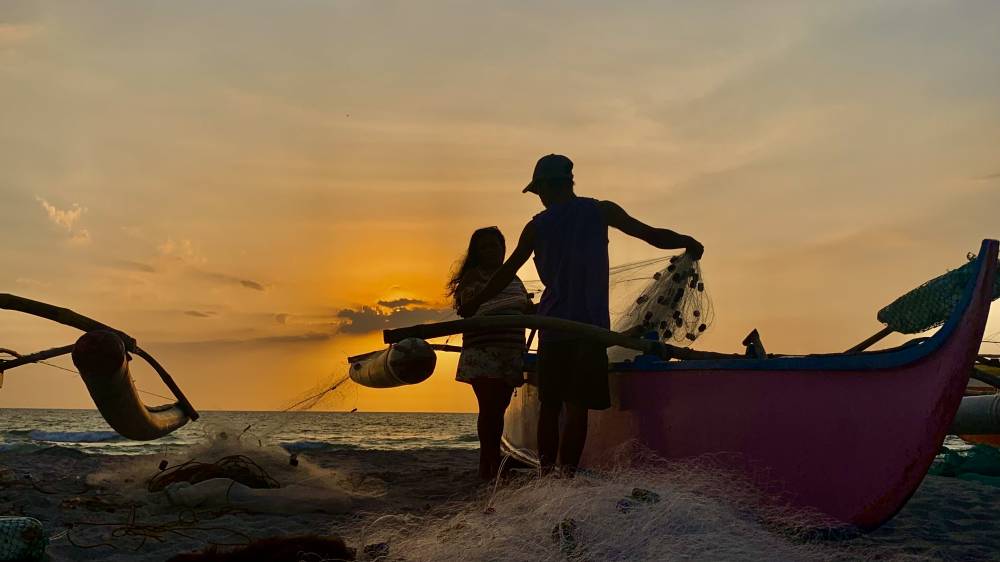
SUBIC, ZAMBALES—Authorities have imposed temporary fishing and navigation restrictions in waters off San Felipe town following the arrival of a Chinese-flagged offshore supply vessel conducting repair and maintenance work on a submarine cable, the Philippine Coast Guard (PCG) said on Friday.
Cmdr. Euphraim Jayson Diciano, head of PCG Zambales, said the supply vessel Feng Hua 21, which arrived in the province on Thursday, has been issued a special permit by the Maritime Industry Authority allowing it to operate and carry out project-related work within Philippine territorial waters.
The vessel, owned and operated by FH Offshore Engineering, is conducting repair and maintenance activities for the Luzon Festoon Cable Repair and Maintenance Project, covering Offshore Segments 4, 5 and 6. The submarine cable is connected to a designated beach manhole located in Barangay Sto. Niño.
“Fishing and other beach activities around Barangay Sto. Niño are not allowed because there are cables in the area that vessels might get entangled in. All vessels plying the area are reminded to exercise caution,” Diciano said in a phone interview.
Aside from San Felipe, the repair and maintenance activities—expected to last about two months—will also affect other coastal areas, including Dasol town in Pangasinan, Luna town in La Union, and Nasugbu town in Batangas.
Digital connectivity
“There are no specific dates for each area, but the project is scheduled to run until March 27,” Diciano added.
The Luzon Festoon Submarine Cable System Project is a submarine fiber-optic cable infrastructure being developed by a major telecommunications company to enhance digital connectivity across Luzon by linking multiple coastal areas and provincial landing sites.
Fisherfolk group Pamalakaya slammed the temporary fishing and navigation restrictions, calling the move “unacceptable” and a threat to local livelihoods.
Ronnel Arambulo, vice chair of the group, said the measure reflects a growing pattern of foreign vessels disrupting fishing activities in Zambales.
“This is the same country that operates dredging ships in our municipal waters, damaging marine resources and affecting local fishermen,” he said, referring to China.
Arambulo also questioned the provincial government’s authority to impose the restrictions.
“There is no legal basis for this unless a provincial ordinance or an official fishing ban is declared, which we will certainly contest,” he added.

Similar fishing and navigation restrictions have previously been imposed in parts of Zambales waters during large-scale activities such as dredging operations and joint military exercises.
Opposed
In recent years, the presence of Chinese dredging vessels operating off the coast of San Felipe has drawn complaints from local communities over prolonged operations and their impact on coastal areas.
In March last year, the provincial government ordered the suspension of all dredging activities following mounting complaints from San Felipe residents over the presence of 17 Chinese dredging vessels in municipal waters. The ban was lifted three months later, despite continued protests from some members of the community.
Malacañang had previously asked the Department of Environment and Natural Resources (DENR) to review dredging activities in the province following appeals for their suspension and audit.
Under DENR Administrative Order No. 13, dredging projects are part of river restoration efforts to rehabilitate “the heavily silted channels of the Bucao River in Botolan town, the Maloma River in San Felipe town, and Sto. Tomas River traversing the towns of San Marcelino, San Narciso, and San Felipe in Zambales, mainly to prevent flooding.”