








Forensic expert lists lapses in Cabral case

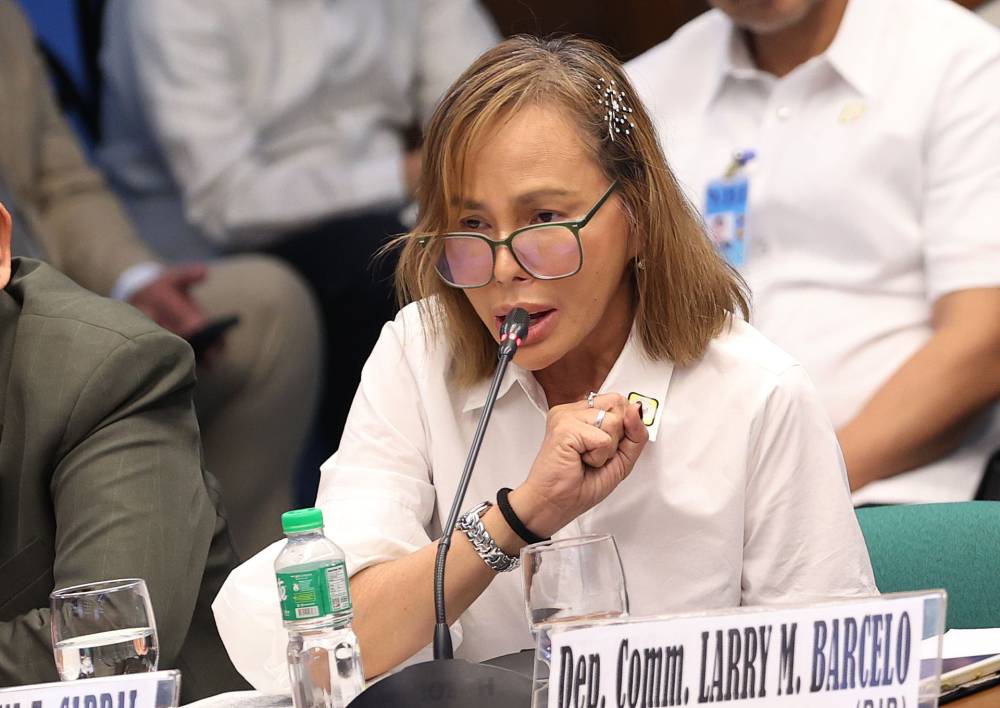
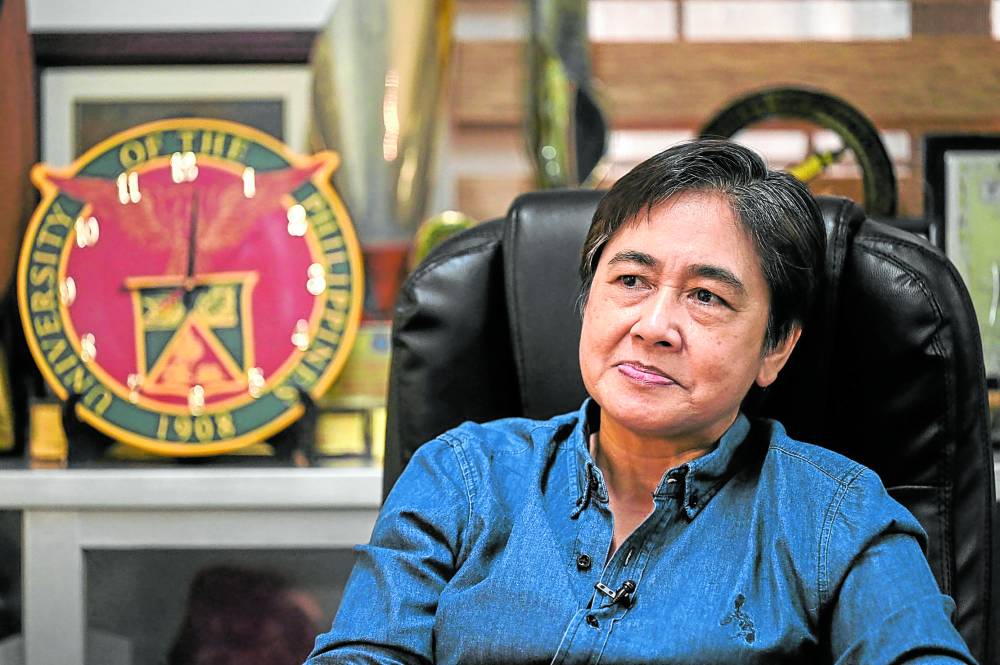
While authorities have ruled the death of Maria Catalina Cabral as a suicide, forensic pathologist Raquel Fortun took note of lapses in the way forensic investigators have handled the case—from the custody of the victim’s personal belongings to the autopsy.
The former public works undersecretary, a key figure in the corruption scandal now besetting the Marcos administration, fell into a ravine in Kennon Road in Tuba, Benguet, and was declared dead in the early hours of Dec. 19, according to official accounts.
Fortun questioned, for instance, Interior Secretary Jonvic Remulla’s pronouncement on Dec. 20 that Cabral died from “blunt force trauma consistent with the fall,” citing initial autopsy reports. At the time, she said the victim had not undergone full autopsy.
“They’re saying … blunt force trauma—of course, she fell down. But that doesn’t answer everything,” Fortun told the Inquirer in a phone interview.
‘Postmortem, perimortem’
“And others are saying, what if she was already dead and her body was just dumped off there. Precisely, that’s the reason why you examine the body to determine whether the injuries are postmortem versus what we call perimortem (near time of death), which is significant,” she said.
“You will be able to answer so many things if you do only the right things,” she added.
Fortun also stressed that autopsy “should be mandatory” and that “the family really cannot say no.”
Then wryly she noted: “But you’re in the Philippines, that’s why it’s optional. The family said they signed a waiver. Why is there even a waiver?”
Acting Philippine National Police chief Lt. Gen. Jose Melencio Nartatez Jr. on Monday said that the evidence gathered so far suggested “that there is suicide.” Yet the official also clarified that the investigation was still ongoing.
On the same day, Remulla told ANC: “All signs point to suicide. All signs [show] that her intent is very clear.”
No foul play
Autopsy also showed there were no signs of foul play in Cabral’s death—no signs of physical struggle in her car, no skin cells found in her fingernails, no bullet wounds, the officials said.
Cabral had asked her driver to bring her to a spot along Kennon Road from the Ion Hotel in Baguio City on the afternoon of Dec. 18 and leave her there. The driver, Ricardo Hernandez, did as instructed. But when he drove back to the same spot, he could not find her. He also could not find her at the Ion Hotel at 4 p.m. So he reported her disappearance to the police, who later found her unconscious and unresponsive at the bottom of a ravine in the area later that night.
‘Accident vs suicide’
Aside from a proper autopsy, Fortun said a toxicology test should be conducted to rule out other potential causes of death, such as foul play, and further narrow down the possibilities.
“Was she under the influence of anything? Did she take, for example, something as simple as alcohol? Was she drunk? You have to weigh which pieces of evidence would support which [cause]. Is it really suicide? If you can safely rule out that nobody else was involved and it was just her, homicide is out and what’s left are just accident versus suicide,” she explained.
Fortun noted that there are ways to figure out if Cabral was deliberately pushed off the side of the road, saying: “You won’t see it in the body, but the scene may tell you a lot.”
If the evidence points to the fall as “intentional,” hence likely a suicide, Fortun said authorities should check personal conversations and search for a “suicide note,” which can take various forms, like a text message, an email or a social media post.
‘Property vs evidence’
Fortun also expressed disappointment over the inaction on the part of the police that allowed Cabral’s driver to turn over her phone and personal belongings to her family right after the body’s recovery.
This lapse prompted the relief of the local police chief. Remulla also acknowledged this blunder, and said the family would be handing them over to the police after her burial.
“You have to separate property versus evidence. At this point, better be on the safe side and consider things as evidence, especially the phone, because you are deconstructing what could have happened to her,” she said.
Even the driver freely giving statements to the media should have been controlled by the police, as he was deemed a “person of interest” in the case, the doctor pointed out.
‘Why not?’
Fortun—one of only two forensic pathologists recognized by the Philippine Society of Pathologists (the other being Cecilia Lim)—said procedural lapses in the forensic investigation stem from a lack of law mandating and standardizing autopsies in such cases when the death is highly suspicious or “unnatural.”
“I’ve been pushing for that (law), but nothing’s happening,” she said.
But even in the absence of a law, authorities can still proceed with autopsies on mysterious deaths and criminal cases under the 50-year-old Presidential Decree No. 856, or the Code on Sanitation of the Philippines.
“Actually it’s so old… But it states there who can authorize an autopsy. But of course, the next question is what are the standards? Do they really know how to do an autopsy?” Fortun said.
Would she be willing to conduct a full autopsy on Cabral?
Fortun bluntly said: “Why not? UP (University of the Philippines) is always there. And remember, we’re trying to set up this National Forensic Institute. We have the facility, we have the people.”