









From soil to survival: Agusan del Sur shows way to defeat poverty

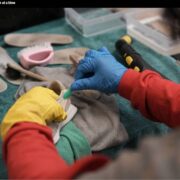
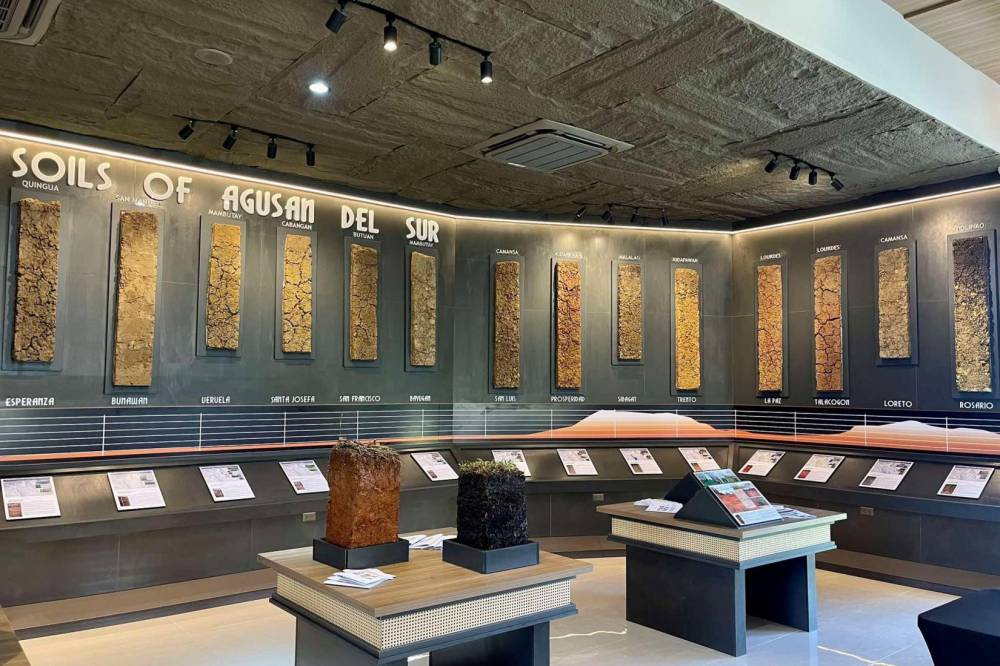
PROSPERIDAD, AGUSAN DEL SUR—Inside the provincial capitol complex here, workers carefully handle bags of soil collected from farms across the province—dark earth from upland slopes, clay from river valleys and sandy loam from fields planted with vegetables and timber trees.
Soon these samples will pass through microscopes and chemical analyzers inside a new soils laboratory, a facility provincial leaders say could help unlock one of the most stubborn problems in rural Philippines: poverty among farmers.
For Agusan del Sur 2nd District Rep. Adolph Edward Plaza, the laboratory represents a simple but powerful idea—that understanding the soil beneath farmers’ feet can transform their livelihoods by helping them choose the appropriate crops to grow and the proper level of fertilizer intervention, among others.
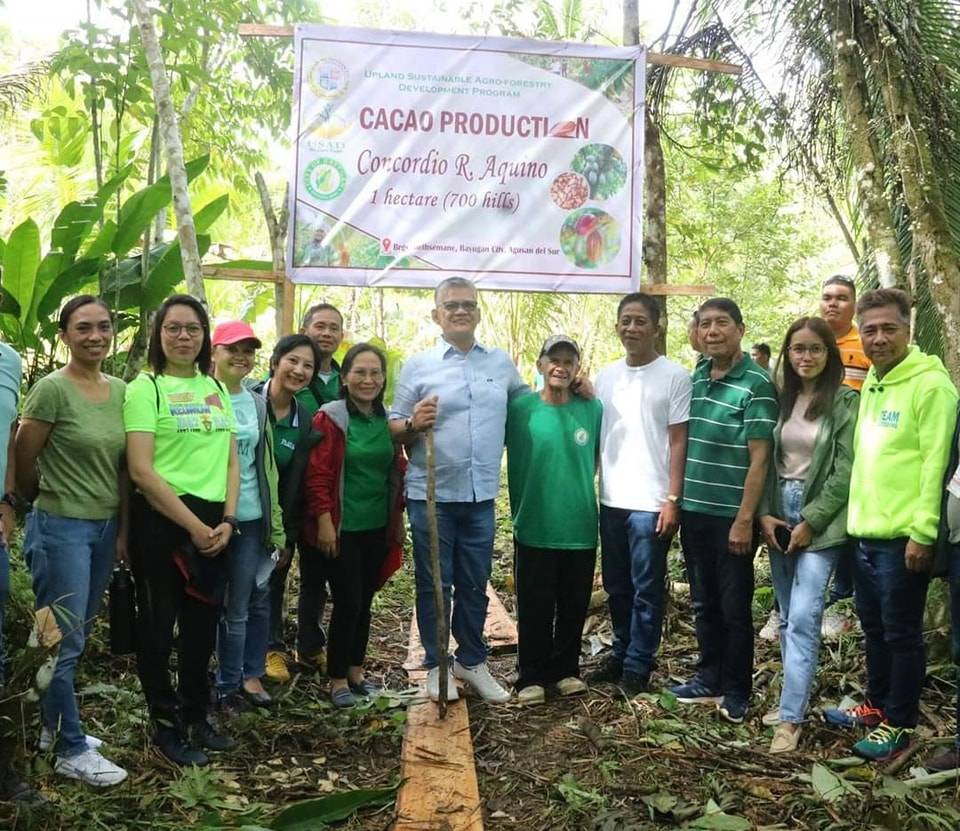
This tenet has guided the Upland Sustainable Agri-forestry Development (Usad) program, an ambitious rural development experiment undertaken by the provincial government for more than a decade now.
And the enduring lessons and positive results of this, according to Plaza, are significant in helping transform the country’s agriculture sector, which has consistently shown laggard growth performance in recent years.
Rising from storm
The Usad program was conceived in response to the challenge of recovering from a crippling disaster. In 2012, Typhoon “Pablo” (international name: Bopha) tore through Mindanao, flattening farms and destroying crops in many upland communities of Agusan del Sur.
For families dependent on small-scale farming, the damage was devastating. Many farmers lost not only their harvests but also their means of survival.
Provincial leaders soon realized that rebuilding would require more than relief goods and emergency aid. What the province needed was a long-term strategy that would strengthen farms, restore ecosystems and create sustainable sources of income.
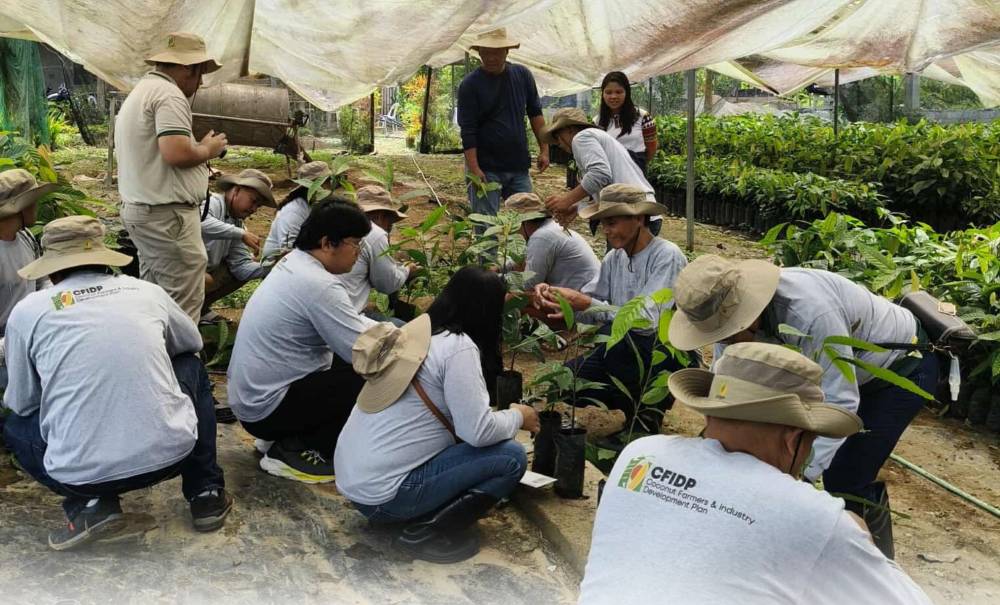
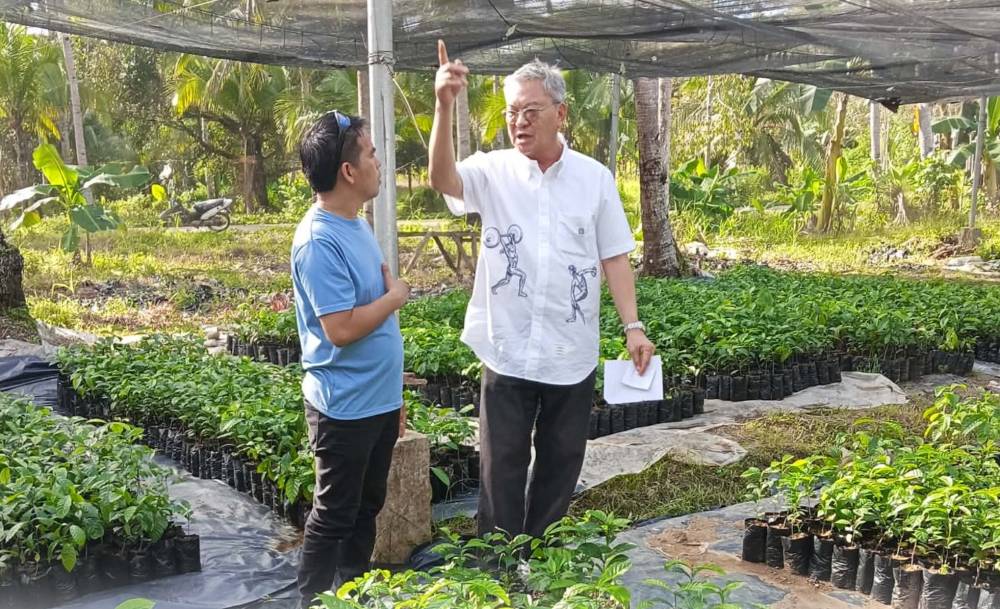
The following year, the provincial government launched the Usad program in storm-hit communities, providing seedlings, training and technical guidance to enrolled farmers. Over time, the program expanded to upland villages across the province.
At the heart of the Usad model is agroforestry. Farmers are encouraged to plant high-value timber species such as falcata, a fast-growing tree prized for its straight trunk and suitability for lumber and pulp production. A mature falcata tree can fetch up to P12,000 in the market, according to program data.
But because the trees take seven to nine years to mature, farmers plant vegetables and other crops between the rows to sustain household income.
This intercropping approach allows families to earn money from short-term crops while gradually building long-term assets in the form of timber plantations.
Soil science
The system also improves soil fertility and increases tree cover in upland landscapes. For many farmers, the shift represents a move away from subsistence farming toward more diversified and resilient livelihoods.
Central to the next phase of the program is the soils laboratory rising within the provincial capitol complex here. The facility will analyze soil samples from farms across the province, measuring nutrient levels, acidity and organic matter—data that can guide farmers on what crops to plant and how much fertilizer to use.
Such information could help prevent both nutrient deficiencies and excessive fertilizer application, reducing costs while improving productivity.
“Let our soil dictate the fertilizer we apply by primarily taking into account our soil’s specific needs,” says Plaza, the acknowledged “father of Usad,” as it was during his time as governor that the program was launched.
Healthy soil is not only essential for crop yields but also for environmental sustainability, he adds during a recent House committee hearing.
“Soils rich in organic matter support plant growth, filter water, and sequester carbon,” Plaza shares, adding that: “To mitigate climate change, we need to safeguard a healthy ecosystem.”
The laboratory will serve as a technical backbone for the province’s agricultural programs. Each soil sample analyzed could translate into more precise farming advice—guidance that may help farmers increase yields while protecting the land they depend on.
For decades, Agusan del Sur was among the mainstays in the “Club of 20,” a listing of the 20 poorest provinces in the country.

Dent on poverty
Incidentally, this was also during the time when many of its farmers struggled with low yields, poor soil fertility, and limited access to markets.
The landscape shifted when the Usad program began to bear fruit. The province’s economic development indicators slowly improved.
Poverty incidence has consistently dropped within a decade—from 48.1 percent in 2012 to 37.9 percent in 2018, to 33.4 percent in 2021, and to 23.4 percent in 2023.
This means that within a decade, at least 160,000 people in the province were lifted from poverty. The provincial government’s poverty alleviation target was surpassed ahead of schedule.
For farmers enrolled in the Usad program, the difference has been felt at the household level. An initial survey of 944 farmer-beneficiaries found that 549 families—about 56 percent—had moved above the poverty threshold, earning at least P22,000 a month.
The gains go beyond income. Program monitoring has also recorded improvements in food security, school retention among children, and declining cases of teenage pregnancy and early marriages in participating communities.
For Plaza, these outcomes underscore the link between agricultural productivity and social well-being.
Buoyed by Agusan del Sur’s experience, Plaza is pushing for the national adoption of the Usad framework through House Bill No. 1384, which seeks to institutionalize the program in upland agricultural communities across the country, particularly in geographically isolated and disadvantaged areas.
Supporters say the approach could help rural communities recover faster from calamities while protecting watersheds and forestlands.
Plaza points to the need for agricultural agencies to ground their policies in science, saying outdated tools and one-size-fits-all programs have eroded soil quality and undermined farm productivity.