




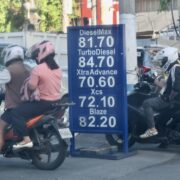






Fuel hikes hit hard, but Iloilo riders keep rolling

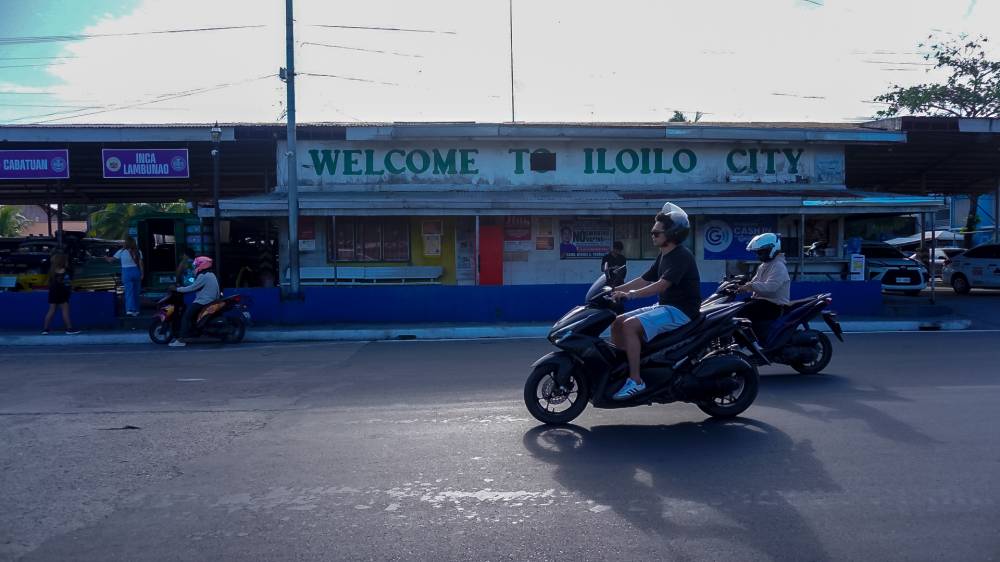
ILOILO CITY — Before the sun rises, 29-year-old Ayban is already preparing his motorcycle, checking his fuel, and scanning his phone for bookings.
By mid-morning, he is on the road—ferrying passengers, picking up parcels, or running errands—doing whatever it takes to provide for his family of four.
“I will take anything as long as I can earn money cleanly,” he tells the Inquirer, a quiet resolve shaping his long days on the streets.
Like many informal or “colorum” riders in Iloilo City, Ayban has felt the strain of rising fuel prices driven by global tensions involving Iran, Israel, and the United States.
Immediate impact
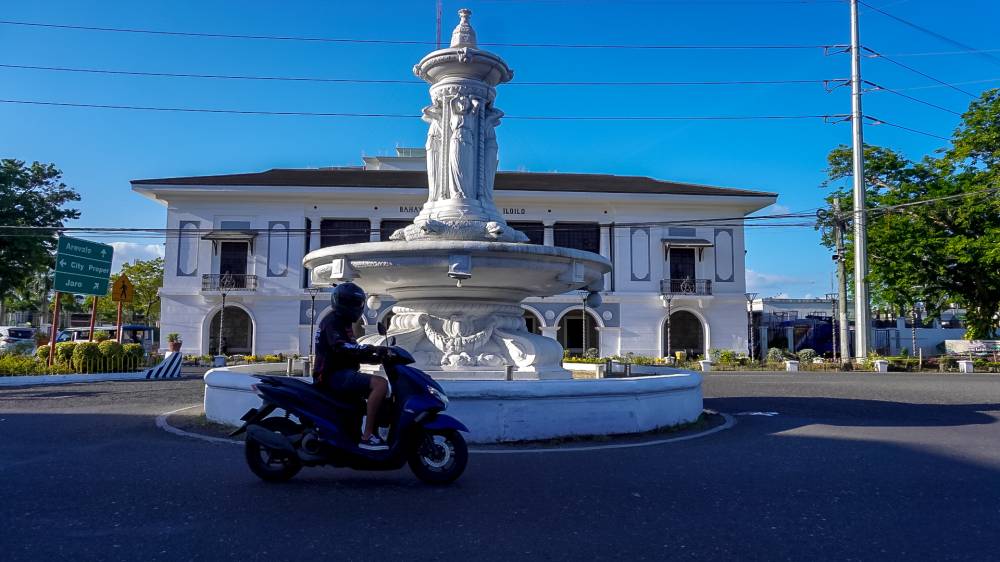
For riders who depend on daily trips for income, the impact is immediate.
Ayban used to earn between P1,500 and P2,000 a day working from 8 a.m. to 5 p.m.
Now, his earnings have dropped to around P700 to P1,000. To make up the difference, he pushes himself to work beyond 6 p.m., often staying on the road until late evening.
Fuel costs have also surged. He fills his tank twice a day—what once cost around P280 per full tank now exceeds P330.
Adjustments
Base fares for short trips rose from P55 to P60, while out-of-town rates were adjusted from P14 to P15 per kilometer—modest changes aimed at balancing riders’ needs with passengers’ capacity to pay.
But even with these adjustments, uncertainty remains a constant companion—especially the risk of being flagged by authorities, since many operate without formal franchises.
Still, Ayban presses on.
Across the city, other riders share the same determination.
Jondy, 30, once relied solely on motorcycle trips, earning as much as P1,500 a day. Now, his daily income has dropped to as low as P400 to P500, as fuel expenses climb from P250 to P330 and competition intensifies among riders vying for bookings online.
“When we post in the group, it’s a race—whoever comments first gets the passenger,” he explains.
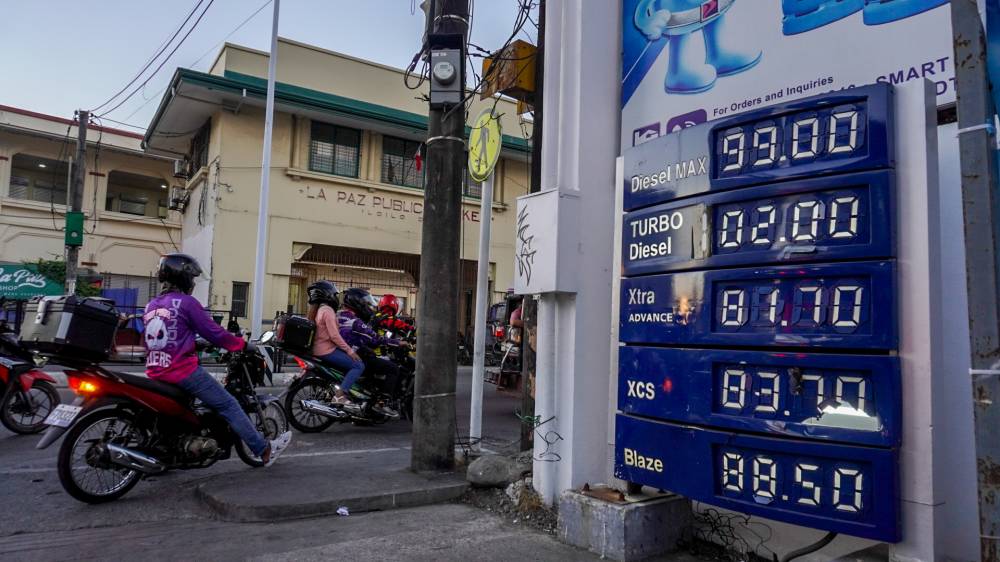
‘Too severe’
According to Jondy, the fuel increase is “too severe.”
“It’s so expensive that you can barely afford to eat, and driving feels like a losing game,” Jondy laments.
“My income now can’t support my family. I had to look for a sideline job just to have something extra for our expenses,” he adds.
To stay afloat, Jondy now works construction alongside his younger brother during the day and takes a few rides at night—just enough to cover his gas and contribute to household expenses.
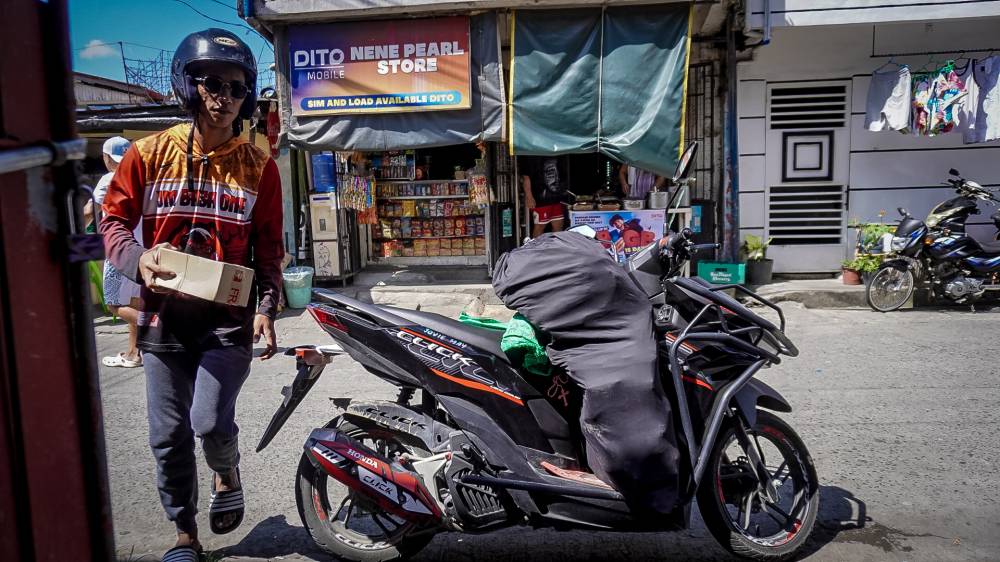
For delivery riders like 26-year-old July Bullos, the challenge comes in keeping operations efficient.
Based in La Paz district and delivering around 55 parcels a day for J&T, he earns roughly P825 daily—but rising fuel costs are steadily eating into that amount.
“Our motorcycles are running almost all the time,” July shares. “Before, P100 worth of gas could last three days. Now it’s only good for two.”
Despite the pressures, riders continue to adapt—stretching their hours, diversifying their trips and finding ways to keep going.
Survival
Beyond their daily grind, many are also looking ahead. They hope for more stable fuel prices, government support through subsidy programs, and the opportunity to secure legal franchises that would give them protection and peace of mind.
For now, though, survival comes first.
As Ayban navigates Iloilo’s busy streets, each trip is more than just a fare—it is a step toward sustaining his family.
“I hope the tension in the Middle East stops so petroleum prices normalize. What will happen to us if the fuel keeps going up? This is the only job I rely on to feed my family,” he shares.
Ayban adds: “What matters is I can still provide.
And in the face of rising costs and global uncertainty, that determination keeps Iloilo’s riders moving—one passenger, one delivery, one long day at a time.
******
Get real-time news updates: inqnews.net/inqviber