









G7 to rely less on China rare earths

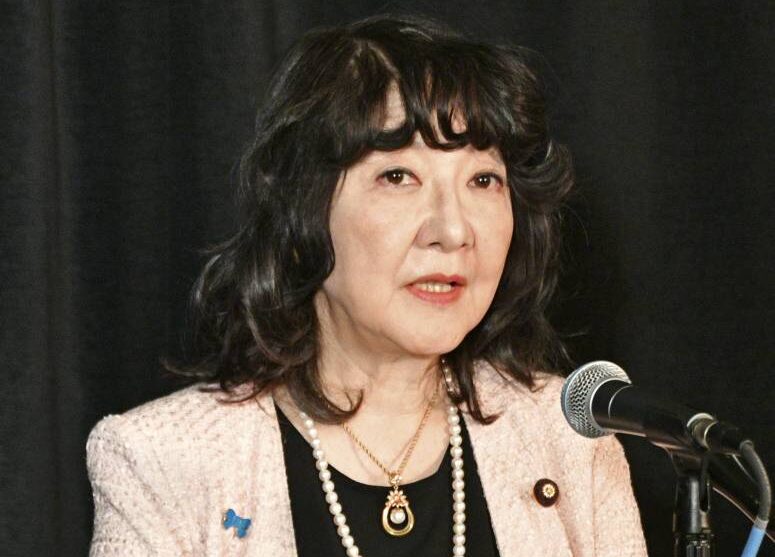
Finance ministers from the Group of Seven (G7) countries agreed Monday to accelerate the reduction of their countries’ overreliance on China for critical minerals.
Following a meeting in Washington, also attended by representatives from Australia, India, Mexico, and South Korea, Japanese Finance Minister Satsuki Katayama disclosed the agreement and said they will explore policy measures to establish new supply chains for critical minerals.
The meeting, hosted by US Treasury Secretary Scott Bessent and joined by US Trade Rep. Jamieson Greer, took place amid China’s use of its dominance in the processing of rare earth minerals to exert diplomatic and economic leverage.
Chinese Foreign Ministry spokesperson Mao Ning said at a press conference on Tuesday that Beijing’s position on “maintaining the stability and security of the global critical mineral supply chain remains unchanged.” She added that all parties have a responsibility to do so.
Taking aim
China last week tightened controls on exports to Japan of dual-use items that have both civilian and military applications, with rare earths possibly included.
Beijing has been taking aim at Tokyo since Japanese Prime Minister Sanae Takaichi’s remarks in parliament in November suggesting an attack on Taiwan could trigger a response by Japan’s defense forces.
Katayama told reporters that she had explained Japan’s position on the Chinese export controls to her counterparts and imparted to them the country’s know-how on cutting dependence on China for rare earths to nearly 60 percent from about 90 percent following an export ban imposed by Beijing in 2010 over a territorial dispute.
The issues discussed on Monday included the importance of setting minimum prices and creating a market with standards for labor and human rights, Katayama and Japanese officials said, on the back of worries that China has supplied inexpensive rare earths by taking advantage of low wages and poor working conditions.
Stronger cooperation
Noting that the participating countries account for more than 60 percent of global rare earth demand, she suggested that stronger cooperation among them would have a positive impact on supply chains.

China mines around 70 percent of the world’s rare earths, which are vital to the manufacturing of high-tech and defense products, and refines about 90 percent of the raw materials.
Last year, China also restricted exports of rare earths to the United States, in an apparent attempt to gain an edge in trade negotiations with the administration of President Donald Trump.
However, Trump’s meeting with Chinese President Xi Jinping in South Korea in late October led them to dial back some of their trade measures, including Beijing agreeing to suspend its expansion of export controls on rare earths for one year.
In June last year, the leaders of the G7—Britain, Canada, France, Germany, Italy, Japan and the United States, plus the European Union—launched an action plan on critical minerals cooperation within the group and with like-minded countries.