






Gov’t moving to prevent PH return to ‘dirty money’ list


The government is working to prevent the Philippines’ return to the Financial Action Task Force’s (FATF) “grey list”—a roster of countries under increased monitoring for weaknesses in their antimoney laundering and counterterrorism financing systems—amid the risks to the country’s standing brought by the massive flood control corruption controversy.
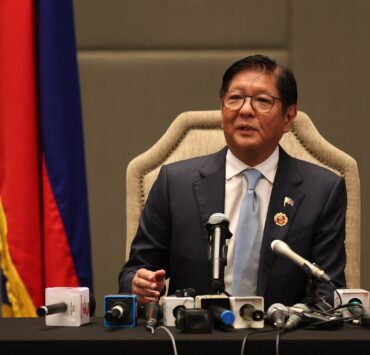
Malacañang on Monday assured the public that the administration of President Marcos continues to strengthen investigations and antimoney laundering enforcement as part of its commitment to uphold financial integrity and sustain the Philippines’ exclusion from the dirty money list of the Paris-based international watchdog.
It also called on not only the Office of the Ombudsman and the Department of Justice (DOJ), the government’s primary investigating bodies, but also the Anti-Money Laundering Council (AMLC) to make accountable all personalities involved in the scandal.
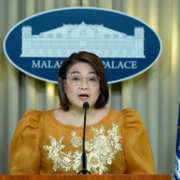
“At present, we know that the Philippines has already been removed from the FATF grey list. That is why the President ordered investigations and why the accountability process against those involved is continuing—to ensure that our country remains clean when it comes to corruption issues,” Palace press officer Claire Castro said.
“If there is legislation that may be needed, that is already the job of our lawmakers. If they see any gaps, they can draft and pass any new laws related to this matter,” she added.
The country was removed from the list only in May 2025, after it was included in July 2021 due to money laundering through casino junkets and the lack of prosecution of suspects involved in funding terrorist activities.
Prosecution efforts
According to Castro, asset freezing remains a key tool in addressing corruption cases, stressing that authorities will not hesitate to act against anyone found to be involved, whether in the private or public sector.
“Freezing of assets is important. And if there are individuals involved, anyone linked to corruption should have their assets frozen. That is why not only investigating bodies need to act more swiftly, but also the AMLC,” she pointed out.
As of Jan. 30, the AMLC, chaired by the Bangko Sentral ng Pilipinas (BSP) governor, has secured orders from the Court of Appeals for the freezing of 6,737 bank accounts, 377 insurance policies, 20 e-wallet accounts, 12 securities accounts, 233 real properties and 255 motor vehicles linked to individuals and private entities suspected to have participated in anomalous government flood control projects.
The amount of frozen assets has reached P24.7 billion, but the AMLC said the figure would grow further as the government continues to probe the anomaly and run after those involved.
Asked if the Marcos administration’s failure to urgently secure convictions related to the flood control mess could weaken the country’s standing with FATF assessors, the Palace official said it was still premature to assess.
“We are only just beginning in our pursuit for accountability. There are already cases being filed, and investigations both by the Ombudsman and the DOJ are ongoing,” Castro said.
“This demonstrates that under the leadership of President Marcos, the country is sincere and serious in its effort to eradicate corruption,” she added.
Implications
Her pronouncement came after BSP Governor Eli Remolona Jr. last week warned the Philippines is at risk of returning to the grey list, “although we’re doing what we can to prevent that.”

According to Remolona, preventing the country’s reinclusion in the grey list “is going to be a long process,” noting that the next process of evaluation is set in 2027.
“We have to do what we need to do to show FATF that we’re doing everything we can,” he said.
In her Inquirer column in October, former presidential protocol officer and foreign service officer Moira Gallaga warned that the failure of Philippine institutions to detect, report, investigate, prosecute and recover assets involved in the flood control scandal in a timely and credible manner, could risk the country’s reinclusion in the FATF grey list.
“If this scandal demonstrates systemic failures—such as weak reporting from banks and casinos, a lack of timely prosecution of culprits, or an inability to freeze and confiscate illicit assets—the FATF may conclude that the Philippines is backsliding,” she wrote.
“The flood control corruption scandal is more than a political or moral crisis; it’s a potential test of the Philippines’ standing in global financial integrity regimes,” Gallaga added.
For the public and the private sector, exiting the grey list was critical as the country’s prolonged inclusion would mean higher compliance costs for cross-border transactions, greater scrutiny for Filipino overseas workers’ remittances, and reputational damage to the investment climate.