










Gov’t urged to prepare for ‘aging population’ shift

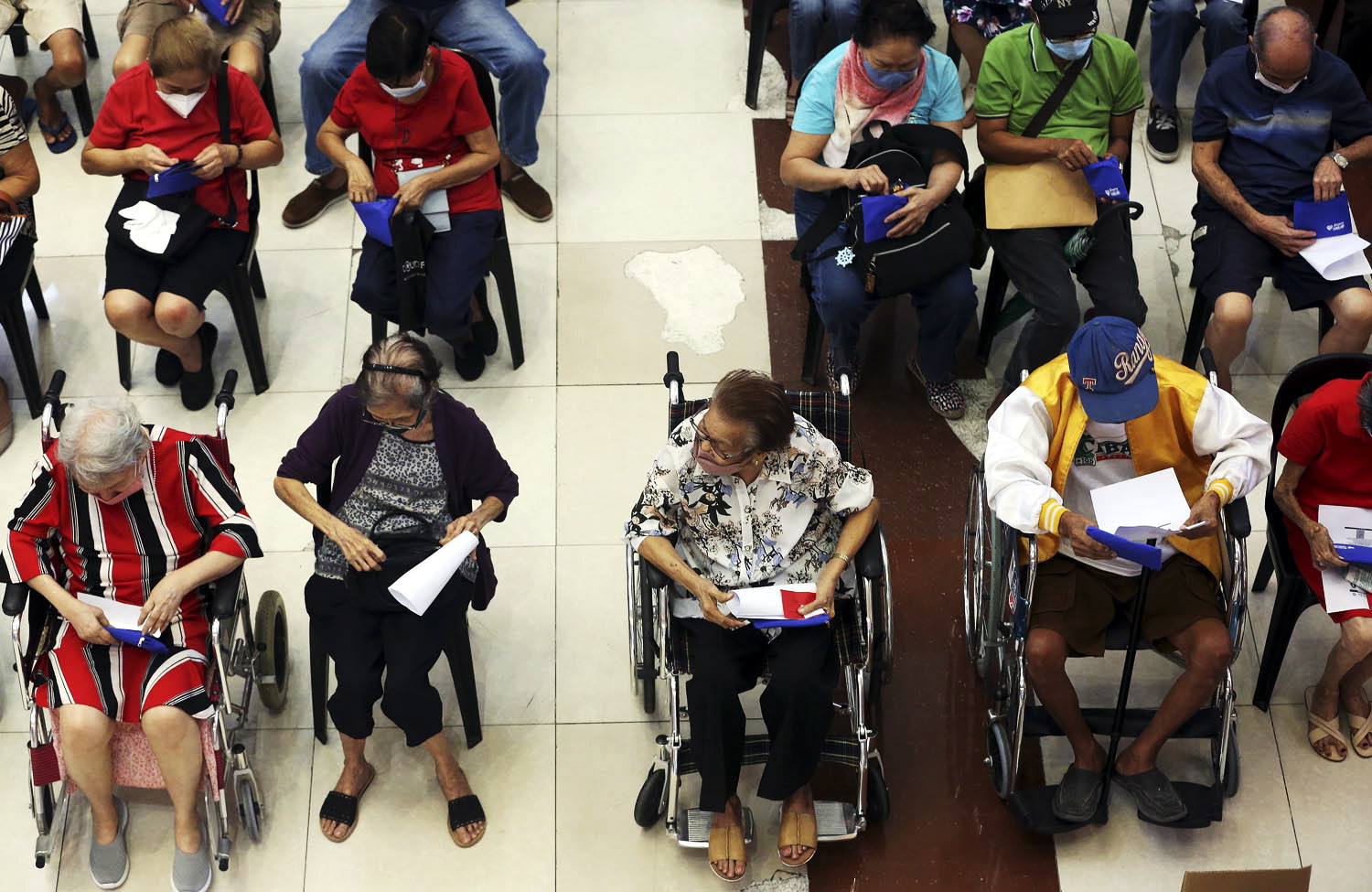
The Commission on Population and Development (CPD) has called for an assessment of the government’s policies on aging, as it pointed out that 11 percent of the country’s total population would be composed of individuals older than age 60 by 2030.
In a statement on Tuesday, CPD Executive Director Lisa Grace Bersales said that as the Philippines begins its transition to an “aging population” —in which at least seven percent of Filipinos are 65 years old and above—it also has an opportunity to achieve “silver dividend.”
This refers to the social and economic benefits that can be gleaned from the experience, skills and continued economic and social participation of the older and healthy population, she explained.
“CPD believes that every individual and every community should be included and no one should be left behind, especially our older persons,” Bernales said.
Continued inclusion
“As Filipinos live longer and healthier lives, they can continue to contribute to the economy, creating new opportunities for progress. Let us work together to optimize and tap into the experience, skills and wisdom of our ageing population, driving economic growth and improving the quality of life for all,” she added.
The CPD hopes to help identify the gaps and gains in the country’s policies on aging through the “Consultation for the Promotion of Policies on Ageing in the Philippines” being held in Manila.
“This national consultation in February is a pivotal moment to reinvigorate our commitment and efforts, ensuring our policies empower older Filipinos to live with security, dignity, and continued contribution to society,” Bernales said.
The Feb. 3 to Feb. 5 event co-organized by the CPD, together with the United Nations Economic and Social Commission for Asia and the Pacific, aims to assess the country’s implementation of policies on aging and formulate strategies in line with the Madrid International Plan of Action on Ageing (Mipaa).

Priority directions
The international agreement was adopted in 2002 and has three priority directions, including the continued economic and social participation of older persons, advancement of health-care and well-being and establishment of supportive and enabling environments for the elderly.
According to Bernales, the Mipaa priority directions are echoed in the current Philippine Population and Development Plan of Action 2023-2028.
Fulfilling this plan is “not just a demographic necessity but a fundamental commitment to inclusive development, social justice and the human rights of all Filipinos as they age,” she said.