







Hefty increase in gas, diesel prices looms

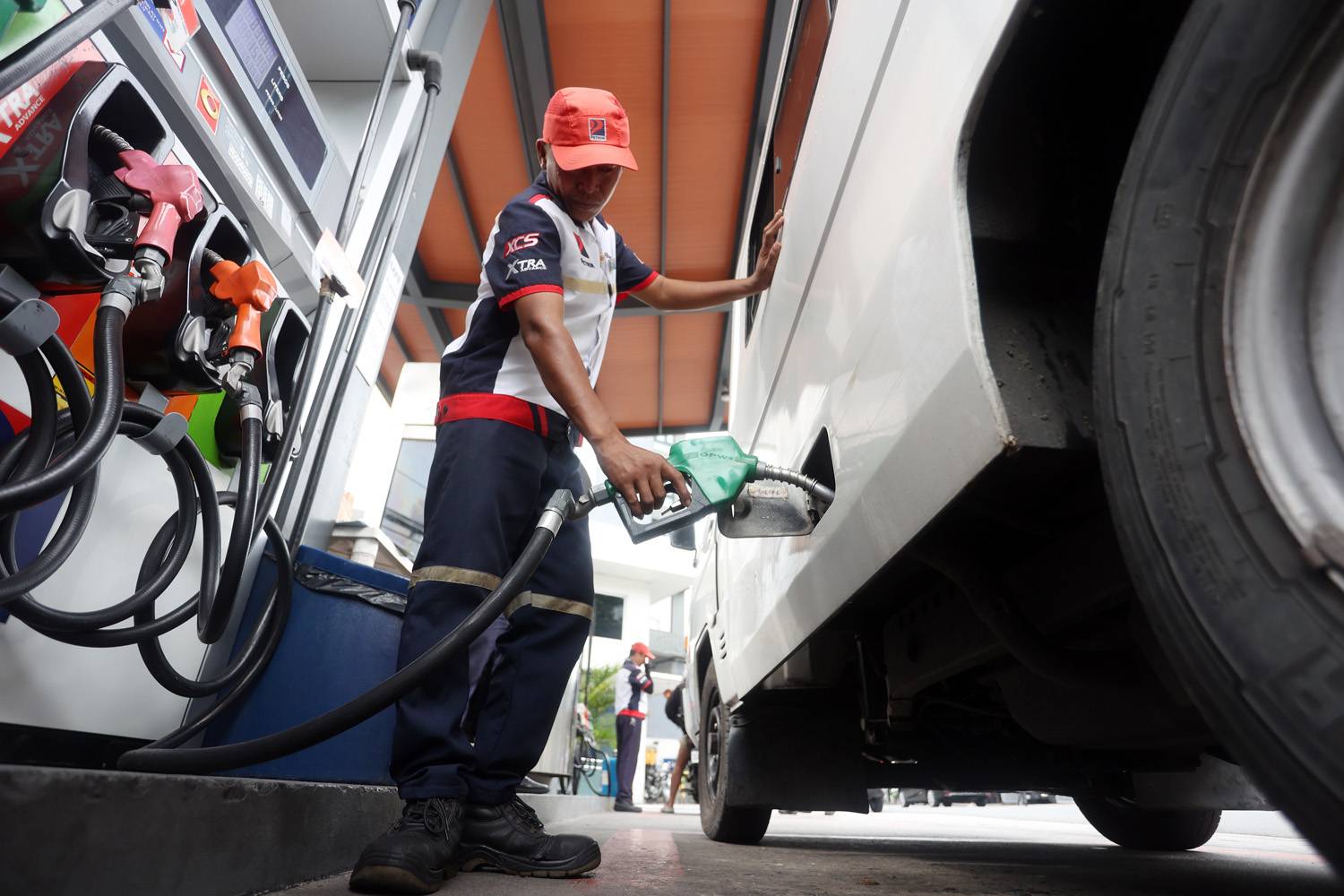
Filipinos will need to tighten their belts as a massive oil price hike is imminent next week, with diesel seen ballooning to about P80 per liter amid the escalating war in the Middle East.
An industry source on Friday said that results from the first four days of trading this week point to a significant price increase in both diesel and gasoline.
A double-digit upward adjustment, reaching almost P20 a liter, is expected for diesel.
Gasoline will also increase by not more than P10 per liter, the source said.
Once implemented, diesel and gasoline will mark their eleventh and eighth consecutive weeks of price increase.
Staggered increase
Ahead of the hike, local oil companies have expressed willingness to implement staggered price increases, the Department of Energy (DOE) said.
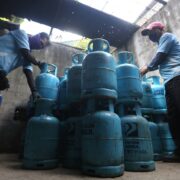
DOE data showed retail prices of petroleum products in the capital region this week averaged P60.50 to P63.19 a liter for diesel. Gasoline prices, meanwhile, ranged from P52.10 to P56.90 per liter.
“Escalating US-Israeli conflict with Iran is the clear bullish driver for oil prices this week,” Jetti Petroleum president Leo Bellas said.
“Boosting sentiment is the growing worries about how long shipping channels from the Middle East will remain clogged, especially as storage tanks across the Middle East are rapidly filling up, forcing producers to cut output if they can’t resume exports soon,” he added.
Diesel imports
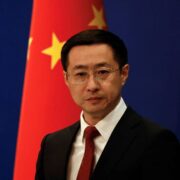
Bellas also noted that supply constraints have spurred fears, especially after China suspended fresh export contracts.
The Philippines receives 30 percent of its diesel imports from China.
To bolster local supply, the government is targeting to acquire at least 1 million barrels of diesel from South Korea, Japan, Singapore, Malaysia and Indonesia.
If approved, the Philippine National Oil Co. (PNOC) will use government funds to pursue the procurement.
“It would be advantageous because PNOC would likely sell only at cost. PNOC would not make a profit; it would simply recover its expenses, and the fuel would still be distributed by the domestic oil companies that purchase it,” DOE Oil Industry Management Bureau director Rino Abad said.
DOE officials reiterated that local fuel retailers have an existing inventory of about two months.
Energy Secretary Sharon Garin also warned against panic buying as “the market could really get distorted” and “disrupt the whole system.”
She said the DOE was working with authorities to intensify monitoring of possible hoarding and profiteering.
Oil importations
The Bureau of Customs (BOC), meanwhile, has formed the BOC Oil Inventory Level (BOC-OIL) Task Force to conduct joint inspections and oversee the monitoring of oil depots, bulk storage terminals, and other petroleum storage facilities nationwide.
The task force will be led by the BOC with the DOE and the Bureau of Internal Revenue.
“Given the current geopolitical developments, it is important for the bureau to closely track the movement of oil importations and monitor available inventory levels,” Customs Commissioner Ariel Nepomuceno said.
The task force is also authorized to validate reports submitted by district ports, which should contain data on inventory monitoring and import volumes.
“All findings and reports generated under this monitoring effort will be submitted to the Office of the Commissioner to provide timely situational updates and inform necessary policy or operational responses,” the BOC said.

Electricity cost
Besides fuel, the cost of electricity traded at the spot market is also expected to trend upward, but power regulators said safeguards are in place to curb further price spikes.
The Energy Regulatory Commission (ERC) said it has met with the Independent Electricity Market Operator of the Philippines (IEMOP) to evaluate the impact of the situation on local electricity rates.
Based on projections presented by IEMOP, operator of the Wholesale Electricity Spot Market (WESM), the rising global oil prices, including supply issues, could “place upward pressure on electricity prices” in the WESM.
The WESM is an avenue where power is traded between producers and distributors to boost their supply.
The scenarios reviewed by energy officials included increases in coal, oil and liquefied natural gas (LNG) prices.
The Philippines is especially vulnerable and sensitive to geopolitical tensions affecting coal and LNG prices, as the power generation mix “relies significantly” on those two, the ERC said.
However, it noted existing regulatory safeguards and market protection mechanisms to shield consumers from swelling power prices.
This includes the secondary price cap, which functions as a preemptive safeguard in the spot market and is designed to prevent sustained price surges during periods of tight supply.
Manila Electric Co. (Meralco), the largest power distributor in the country, said consumers may see costlier power bills by April amid the Middle East conflict. —WITH A REPORT FROM NYAH GENELLE C. DE LEON
******
Get real-time news updates: inqnews.net/inqviber