









Higher biodiesel blend of 7% pushed amid surging oil prices

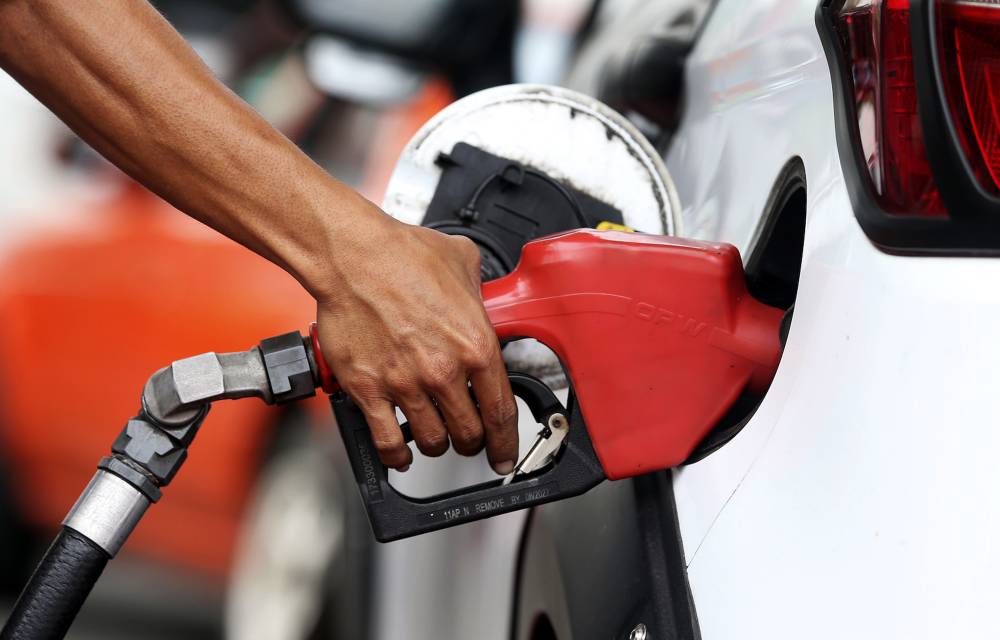
Biodiesel producers said they are ready to pump up the biodiesel blend to 7 percent to help shield Filipinos from further spikes in imported fuel prices due to the Middle East war.
The Philippine Biodiesel Association (TPBA) said Republic Act No. 9367 or the Biofuels Act of 2006 “remains the country’s most reliable defense” against the market’s exposure to oil supply disruptions and price shocks.
Although the current blending rates are set at 3 percent, it said operators have invested in capacity building, allowing them to supply up to a 7-percent biodiesel mix if the government provides the go signal.
“The Biofuels Act was enacted two decades ago with the foresight to prepare the nation for this very crisis, and we must now, more than ever, protect the progress we have made towards cleaner air, climate readiness and import independence,” Ramon Taniola, executive director of the TPBA, said in a statement over the weekend.
Transition blend approved
“Given RA 9367’s multiplier benefits—from fortifying the local coconut industry, to increased mileage and proven emissions reduction—we call for the continued implementation of the blending mandate and to maintain local sourcing of biofuels, which supports millions of coconut farmers who form this country’s backbone,” he added.
A committee of the Philippine Council for Agriculture and Fisheries (PCAF), an attached agency of the Department of Agriculture, has earlier approved a manifesto supporting the full implementation of the Biofuels Act and an immediate transition to a 5-percent biodiesel blend.
According to the National Sectoral Committee on Coconut, raising the coconut component in diesel would reduce the country’s dependence on imported fuel and provide a stable market for millions of Filipino coconut farmers.
The committee is expected to endorse the manifesto to Sen. Francis Pangilinan, chair of the Senate committee on agriculture, food and agrarian reform.

TPBA said a total of 14 biodiesel facilities currently utilize 100 percent locally sourced coconut oil to produce coconut methyl ester, used as an alternative to fossil fuel-based diesel.
The group previously said coco-biodiesel remains cost-efficient, noting that blended diesel is often at parity with, or even cheaper than, pure diesel.
It added that motorists directly benefit from the improved fuel efficiency delivered by biodiesel, which it said generates P17 billion to P32.6 billion in net annual savings.
The country is bracing for another round of massive fuel price hikes this week, which could push prices of diesel to about P100 a liter.