









Holiday spending weak this year

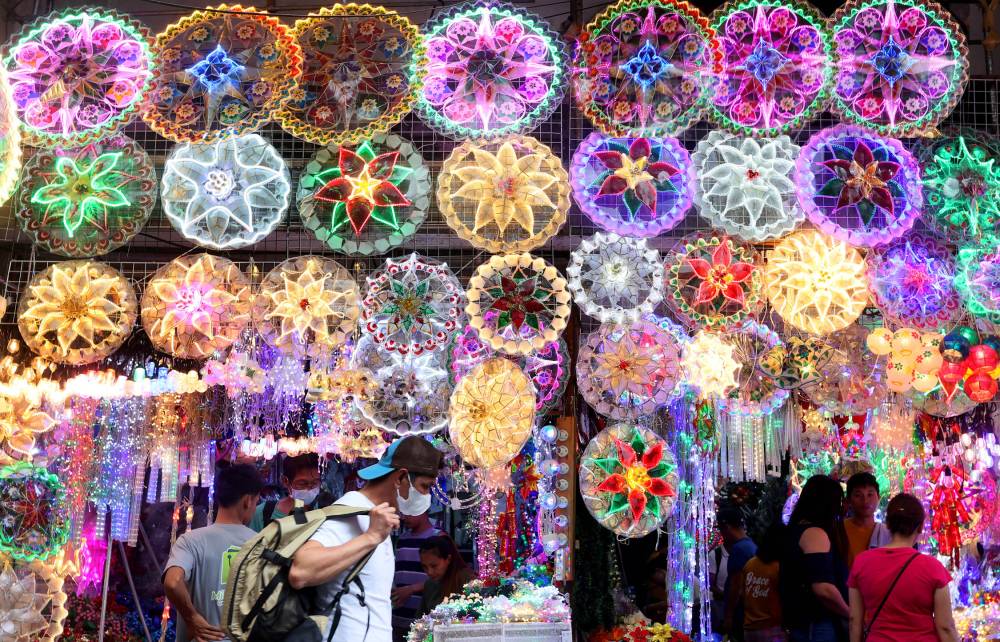
Supermarkets saw a weaker holiday shopping surge this year, with peak sales narrowing to just three to four days instead of the usual two-week run-up to Christmas, according to the leader of a supermarkets’ group.
Steven Cua, president of the Philippine Amalgamated Supermarkets Association, said economic uncertainty played a role in the noticeably shorter period of strong sales supermarkets experienced this year.
“If we compare apples to apples, I’d say it was a little slow,” Cua told the Inquirer. “Because I went to the same stores last year and this year to check. These are some of the big chains as well as the smaller stores, and it’s been slow this year.”
Cua said the shorter window of peak sales has been evident for the past six to seven years, reflecting a growing tendency among Filipinos to delay purchases until the last minute.
This trend, he added, extends beyond supermarkets to department stores and other retailers.
One bright spot for supermarkets this holiday season was wholesale purchases by companies.
“That’s the saving grace for supermarkets—bulk buying. Otherwise, there’s no volume and no economies of scale,” he said.
Consumer spending
Cua cited lingering uncertainty as a key factor behind the muted holiday surge, pointing to concerns surrounding the ongoing probe into anomalous flood control projects.
Cua also pointed to the rise of mini-marts, which he said have been eating into the market share of traditional supermarket chains, as well as dampening consumer and business sentiment.
A recent Bangko Sentral ng Pilipinas survey showed confidence fell to a pandemic-era low in the fourth quarter, dropping to -22.2 percent from -9.8 percent, with households citing inflation as a major concern.

Business confidence, however, improved to 29.7 percent in the fourth quarter from 23.2 percent in the third.
After a weak third-quarter performance, the Philippine economy is relying on stronger household consumption over the holidays to boost growth in the fourth quarter, as household spending historically accounts for about 70 percent of the country’s gross domestic product.
Cua said weak consumer spending, as reflected in the muted holiday surge in supermarkets, could signal broader economic strain.
“It’s not good for our country if you ask me. We’re a consumer-led economy. We’re not an export-oriented country,” he said.