





‘Horse Soldier’: A family ‘secret’ adds to WWII history

As the nation joins international commemorations of the 85th anniversary of World War II reaching Asia-Pacific, an important but rarely told episode of the conflict was recently brought to fore by historians, history enthusiasts, and the family who had a role in its aftermath.
The event was the cavalry charge launched by a platoon composed mostly of Philippine Scouts against Japanese forces. Led by American 1st Lt. Edwin Price Ramsey, it was the last military action of its kind before the country came under the invaders’ control for three years.
On Jan. 16, 1942, just over a month after Pearl Harbor and the first Japanese landings in the Philippines, Ramsey led an attack to repulse them in Morong, Bataan, stalling their advance. He was astride his horse named Bryn Arwyn.
With only 27 men, the charge successfully dispersed Japanese soldiers and bought enough time for key Allied forces led by Gen. Douglas MacArthur to plan a retreat out of the Philippines.
By March 11, MacArthur, his family, and staff had fled to Australia, with the general giving his now famous vow: “I came through and I shall return.”
According to military historian Ricardo T. Jose, Ramsey “led the last cavalry charge in the whole of world history.”
For due recognition
Also known then as the 26th Cavalry Regiment, the Philippine Scouts played crucial roles in the war years. Col. John E. Colson, an adjutant in the 57th Infantry Regiment of the Philippine Scouts and a World War II Silver Star awardee, described members of the unit as “some of the finest ever to serve the US Army.”
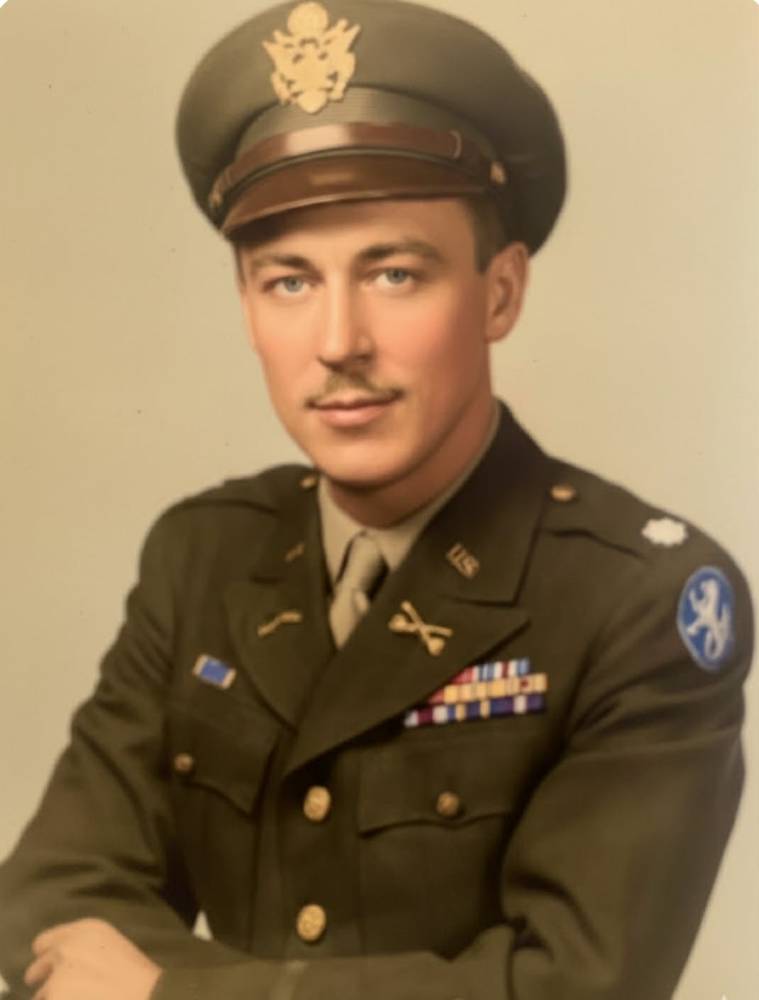
Ramsey, born in Illinois in 1917, enlisted in the US Army in 1941 and joined the Scouts soon after.
Following the successful cavalry charge in Bataan, he joined the Filipino guerrilla resistance, with up to 40,000 local fighters under his command at one point.
After the war, his military career would peak at the rank of lieutenant colonel. Until his death in 2013, he championed the cause of giving due recognition to Filipino war veterans in the US Congress, insisting that they receive the same benefits as their American counterparts.
His life has been documented in the book, “Lieutenant Ramsey’s War: From Horse Soldier to Guerilla Commander,” published in 1996 and authored by him and Stephen Rivele; and in the 2016 documentary film, “Never Surrender: The Ed Ramsey Story.”
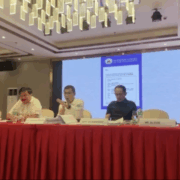
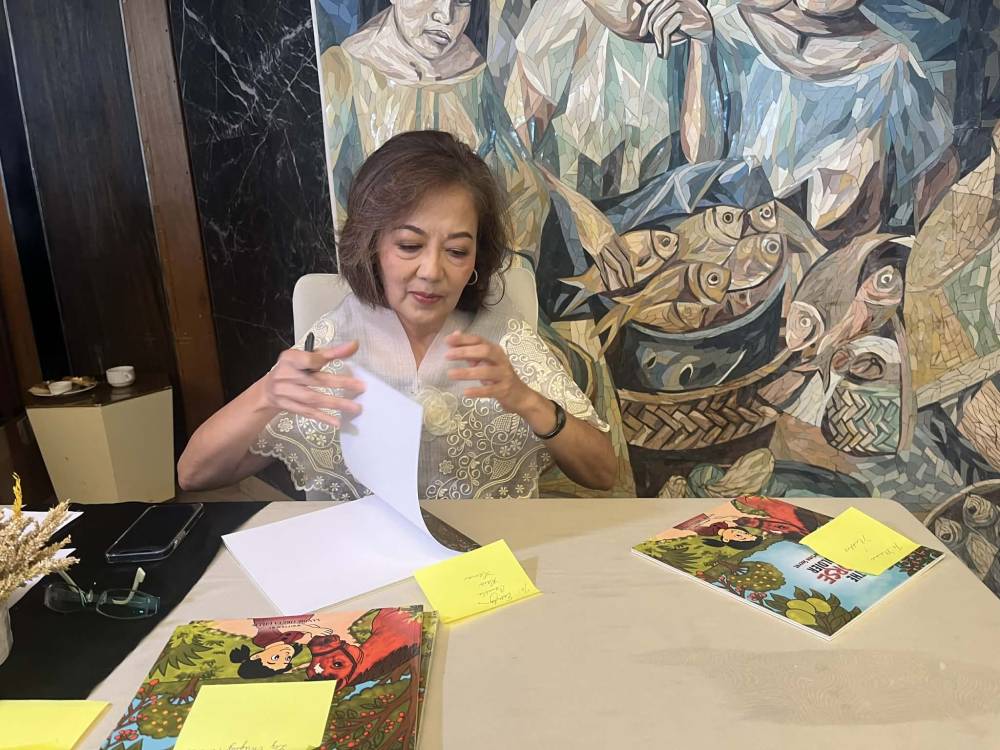
Another retelling of Ramsey’s wartime years was recently unveiled—in the form of a children’s book—at a recent gathering in Quezon City.
‘A special guest’
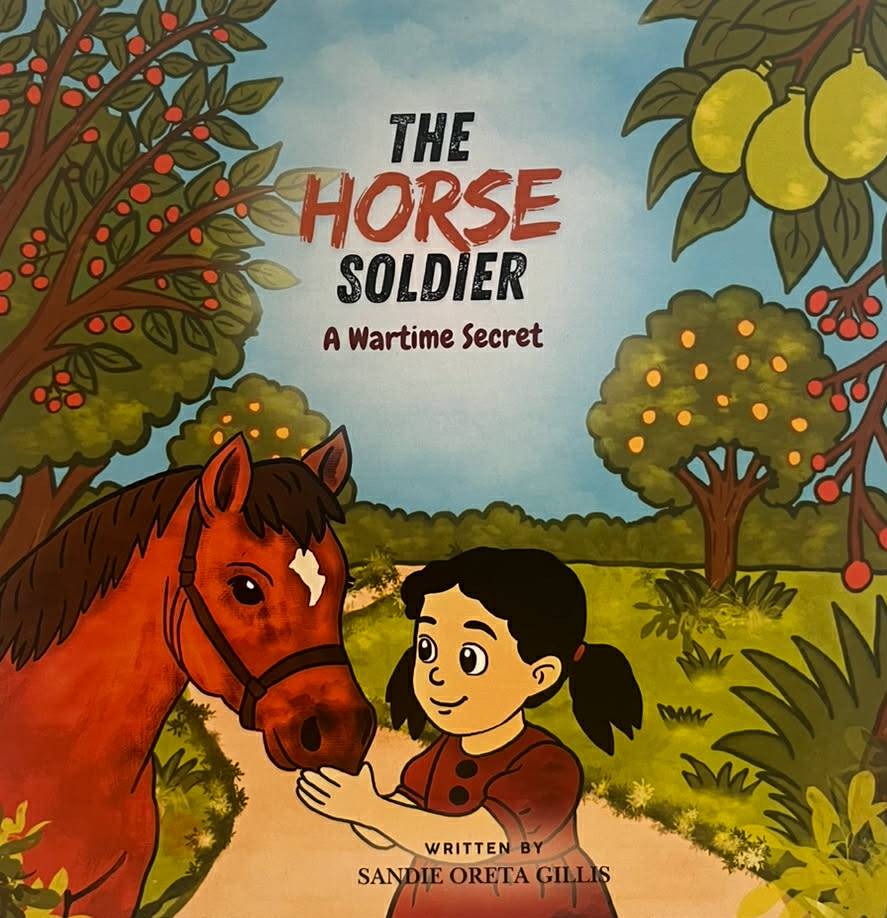
In the “The Horse Soldier: A Wartime Secret,” Ramsey is a character in the story of the Benitez family of San Carlos, Pangasinan, who in 1942 hid the American from the enemy at their house for about three months.
Written by Filipino-Canadian author, culture and arts advocate, and former Radyo Veritas broadcaster Sandie Oreta Gillis, the book based its material from the eyewitness accounts of her mother, Dr. Alice Benitez, who was 10 years old at the time Ramsey was taking shelter at the house.
In an interview during the book launch, Alice, now 93, recalled that when Ramsey arrived at the premises, her father, then Dagupan court judge Juan Benitez, told her to clean up her room since “a special guest” would be using it.
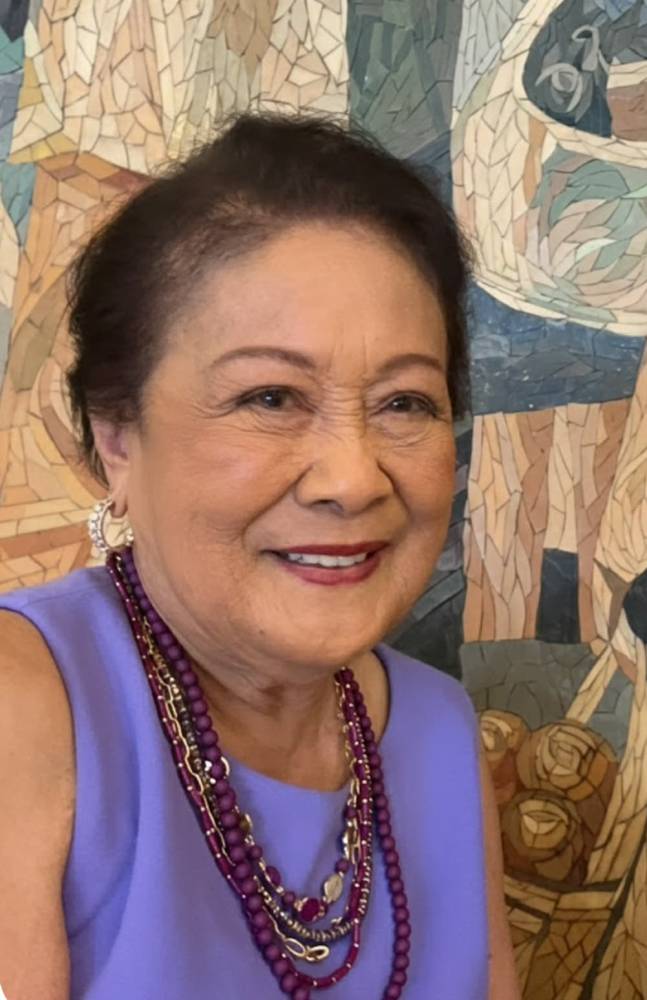
The room was located at the back of the house, concealed from the main road and a good-enough place to hide.
According to Benitez, her father was then a person of stature in Pangasinan, another reason why Ramsey chose to be there.
“He was tall, almost 6 feet, but very thin at 96 pounds. He was starving and emaciated because they were operating in the mountains,” she recalled.
Alicia’s mother, Cipriana, a nurse, took care of Ramsey, feeding him nutritious meals to recover faster. He ate anything that was served to him but particularly liked leche flan for dessert.
Secret meetings
While Ramsey was their “guest,” Benitez said, a hut at the back of their house served as a secret meeting place for the guerrillas, and at times as a recruitment site for the underground movement.
Among the groups who went there were fighters from the Pangasinan-Tarlac Military District, a division of the Philippine Scouts.
Another American officer, Col. Charles Putnam, and a young air force pilot also frequently appeared—until both were captured and executed by the Japanese.
Benitez said her father was later appointed by Ramsey to head the Pangasinan-Tarlac Military District.
Lifelong friendship
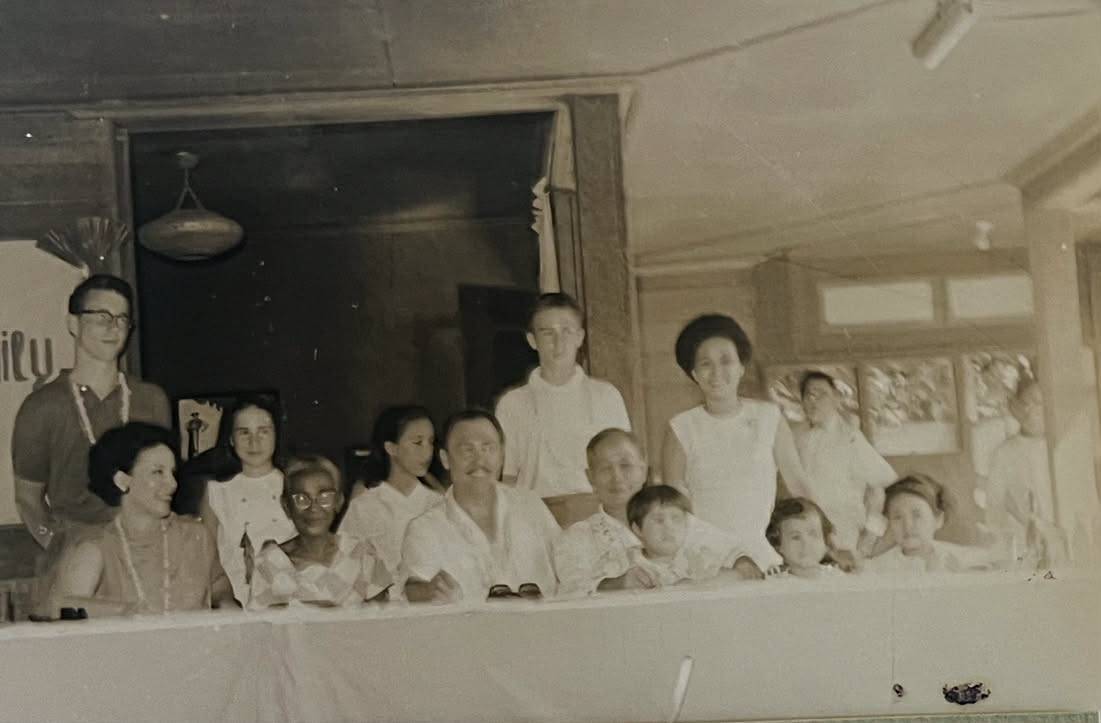
Those three months forged a lifelong friendship between the family and the American officer. Their last meeting in the Philippines, at the Benitez house, was in 1964.
In one of their postwar reunions before Ramsey died, Alice teased him about his fondness for leche flan. Then already in his 90s, Ramsey played along and replied: “I was afraid I might go hungry again.
Today, the house where Ramsey hid is gone and the lot is now under a new owner. It is still largely an open area, however, and the Benitez family hopes to have it at least marked by the National Historical Commission of the Philippines for its significance.
In 2017, Juan Benitez, the family patriarch, was posthumously awarded the US Congressional Gold Medal for his contribution to the resistance. Alice accepted it on his behalf.
Interesting addition
“The story of the ‘Horse Soldier’ is particularly interesting; those forces (in the cavalry charge) were lucky to survive,” said Jose, the military historian.
But such battle heroics would soon be muted by the ravages of war. “When food became scarce, their horses were killed and eaten,” he added.
The children’s book on Ramsey, Jose said, “is a very interesting addition to the war history that we have since it is written from the point of view of [a Filipino family caught in the conflict] and should make young people more familiar with what happened.”
******
Get real-time news updates: inqnews.net/inqviber