

Ibaloy Day pays tribute to ancestral lands, rights

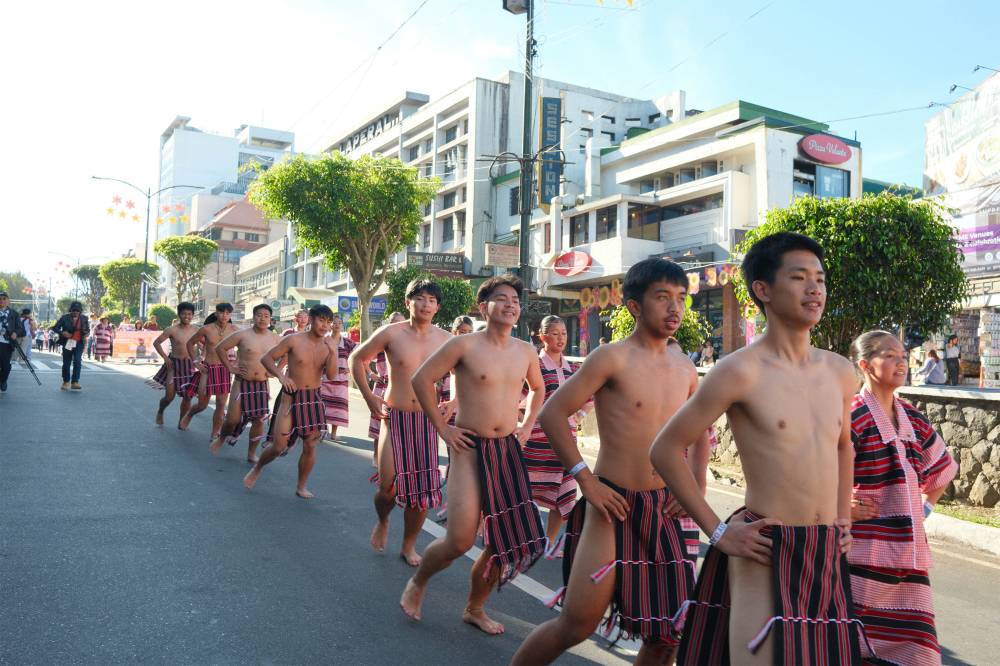
BAGUIO CITY—The 1909 Baguio City Charter, enacted by the American colonial government for the city it designed and built, violated the US Supreme Court’s recognition of native title issued earlier that same year, an Ibaloy leader said during the 17th celebration of Baguio’s Ibaloy Day.
Celebrated on Monday for the first time as a nonworking holiday, Ibaloy Day commemorates the US high court ruling penned by Justice Oliver Wendell Holmes, which affirmed that Baguio Ibaloy Mateo Cariño had native rights over his pasture lands, now part of Camp John Hay, that had been acquired by the American military.
But after the decision, the colonial government enforced the Baguio Charter (Act No. 1963), designating the summer capital as a townsite reservation where all areas were public land and subject to auction, said Isabelo Cosalan Jr., an Ibaloy and former councilor, drawing cheers at the Burnham Park football grounds.
“That was when the Ibaloys of Baguio became victims of injustice, when the charter became law and took effect on Sept. 1, 1909,” Cosalan told the crowd.
Cariño’s great granddaughter, activist Joanna Cariño, said Mateo was first granted title over Ypit and Lubas in 1904 by the Court of Land Registration, but this was contested by the US Army. Mateo died in 1908 before the native title decision, and none of his descendants have received ancestral land titles.
The charter also exempted Baguio from the 1997 Indigenous Peoples’ Rights Act (Ipra or Republic Act No. 8371), leaving its Ibaloy residents without the protections and benefits of the law.
Three recent high court rulings that nullified government-issued ancestral land titles in Baguio cited Section 78 of RA 8371, which states: “The City of Baguio shall remain to be governed by its Charter, and all lands proclaimed as part of its townsite reservation shall remain as such until otherwise reclassified by appropriate legislation.”
Amendments
In January 2025, the city council and the National Commission on Indigenous Peoples (NCIP) agreed to pursue amendments to Ipra to lift restrictions on Ibaloy ancestral land titles. But leadership changes at the NCIP have delayed the initiative, Councilor and Indigenous Peoples Mandatory Representative Maximo Edwin Jr. told the Inquirer. NCIP Chair Jennifer Pia Sibug-Las of Mindanao was replaced in May last year by Marie Grace Pascua of Ifugao.
Senior Associate Justice Marvic Leonen noted in a 2022 concurring opinion in Philippine Republic v. Pasig Rizal Co. Inc. that “lands held under the concept of ownership prior to the Spanish invasion of our shores could not have been part of public land,” citing Justice Holmes’ 1909 ruling.
“While both Spain and America promoted policies respecting natives’ rights over their lands, the reality is that subsequent laws triggered legal disenfranchisement,” Leonen said.
Baguio Ibaloys are the de jure owners of the city and demand government acknowledgment of past injustices, said Bobby Carantes, an elder of Mateo Carantes’ clan. Carantes, a retired Philippine Military Academy Corps of Professors member, added that the official recognition of Ibaloy Day “behooves all Filipinos to acknowledge the mistreatment of the Ibaloys of Baguio.”
“Land is a crucial determinant of IP identity, or in our case—Ibaloy identity. Take away that land, and what indigenousness will there be to speak of? Without that land, there will be no Ibaloy to speak of,” he said in a statement to the Inquirer.