




ICC rights lawyers back clarification on Du30’s PH counsel

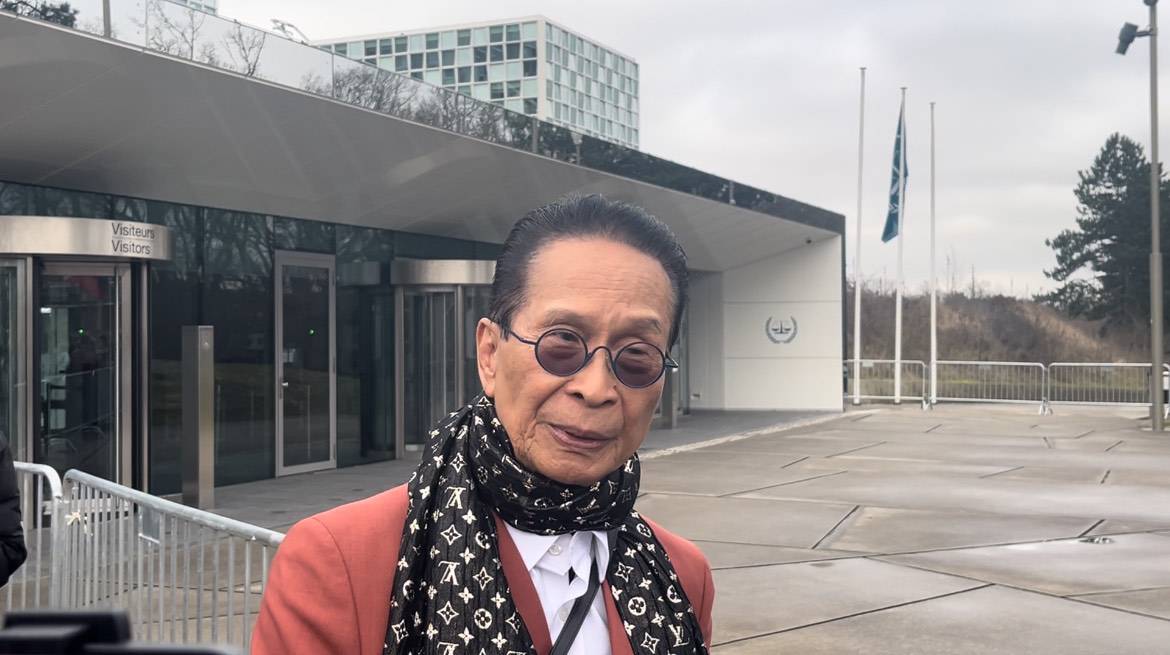
The common legal representatives of drug war victims in the International Criminal Court (ICC) have expressed concern that the six Filipino lawyers of former President Rodrigo Duterte may have had access to restricted information in his drug war case.
Duterte’s chief counsel, Nicholas Kaufman, had acknowledged these lawyers—Salvador Medialdea, Silvestre Bello III, Martin Delgra III, Cesar Dulay, Alfredo Lim Jr. and Salvador Panelo—on Feb. 23, the start of the four-day confirmation of charges hearing by the ICC’s Pre-Trial Chamber I. Medialdea and the others had served in the administration of the former president.
Duterte, who turns 81 on March 28, marked a full year of his detention by the ICC on March 11, the date of his arrest last year. He is charged with crimes against humanity of murder in connection with his administration’s drug war, which claimed some 6,000 lives according to estimates by the Philippine National Police and as many as 30,000 according to human rights groups.
Kaufman had earlier described the roles of Duterte’s lawyers as having had “essential and valuable contribution” to his defense team.
At least two of them have actively contributed to Duterte’s case, Kaufman said without naming them.
‘Influence, power, network’
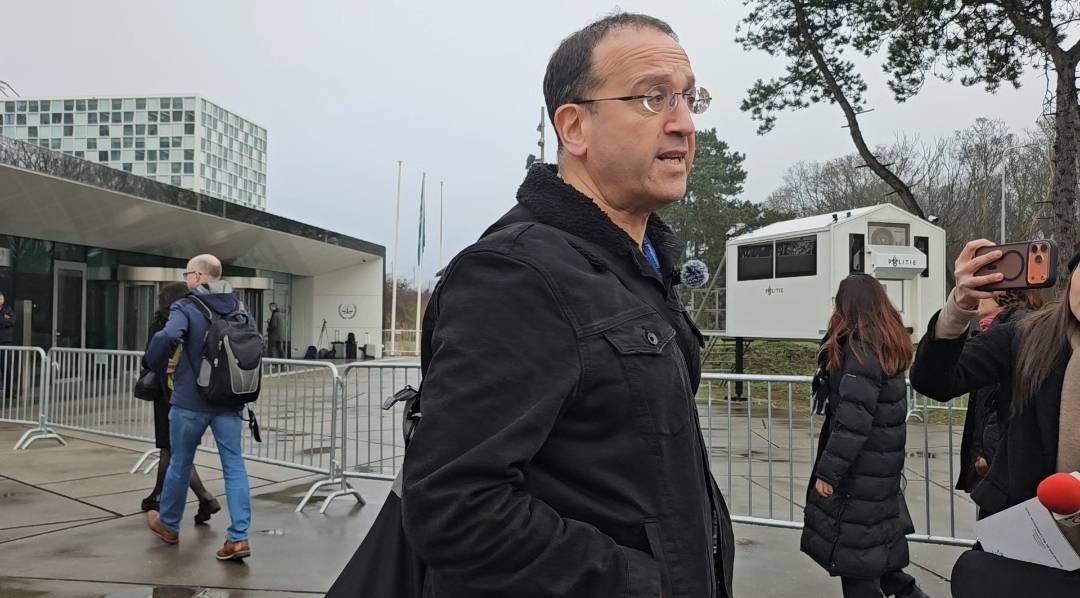
But the prosecution on March 4 requested a clarification on the role of those lawyers—a move that ICC-accredited human rights lawyer Gilbert Andres described as “vital.”
“I and Atty. Joel Butuyan, as Philippine-based common legal representative of victims (CLRVs), totally agree with the ‘Prosecution’s Request for Clarification regarding Defence Counsel,’” Andres told the Inquirer. “Our clients, the victims, are always concerned for their safety and security, given the influence, power and network of supporters of Mr. Rodrigo Duterte. And it is vital that any confidential and sensitive information about the victims be protected.”
In a statement to the Inquirer on Friday, Kaufman himself acknowledged that “The victims remain uneasy about the prospect of the six lawyers receiving confidential materials and the court has done nothing to dispel this fear.”
He said the defense had already submitted a response to the prosecution’s request, but declined to provide details, citing legal reasons.
Kaufman said only the court can disclose the concerned document.
‘Security’ of witnesses
Human rights lawyer Kristina Conti, who is also accredited by the ICC, said ensuring the security of both victims and witnesses is crucial to the proceedings.
“The reason is security more than privacy,” she told the Inquirer. “For the victims, disclosure will always be a serious matter especially when it would pertain to their identity, location, and content or information available from them. Even if victims are not of dual status, [that is], witnesses as well, their personal information is sacred and should not be available to others who will not respect or protect it.”
She added: “Security ensures that no party to the case will be able to simply walk up to victims or witnesses, talk to them, or reach out to them. There are procedures in place for communicating across the legal teams.”
Jojo Lacanilao, coconvener of the Duterte Panagutin Campaign Network, said it is a “valid concern” among the victims and only “fair” for the prosecution that they be clarified as to who has been given confidential information.
“Any information unduly obtained by those outside the orbit of the ICC’s accreditation presents risks to the victims and the attainment of justice. It’s a matter of security for the victims who may be asked to take the witness stand at some point if and when the trial of Duterte commences,” he said in a text message.