





ICI winding up probe as another exec quits

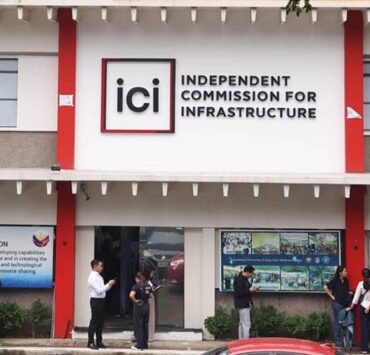
The Independent Commission for Infrastructure (ICI) on Friday said that it was wrapping up its investigation into the alleged irregularities in public works projects as the remaining commissioner in the three-member body announced her decision to step down.
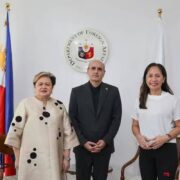
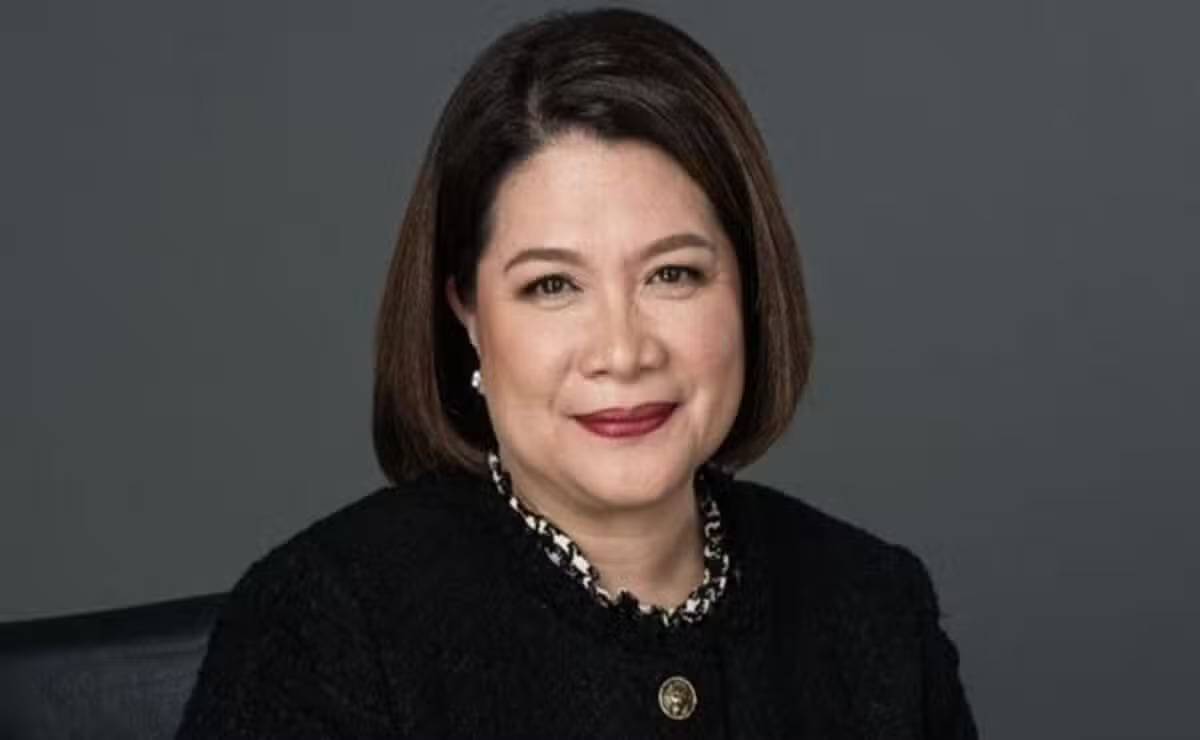
In a statement, ICI commissioner Rossana Fajardo said she had tendered her courtesy resignation that would take effect on Dec. 31.
Earlier this month, former Public Works Secretary Rogelio Singson also resigned from the ICI, attending his last hearing on Dec. 15.
Fajardo was pulled out of her private practice as country managing partner at SGV & Co., a multidisciplinary services firm, to lend her expertise as a seasoned accountant to the commission created by President Marcos in September.
Her exit from the three-month old body raised questions about its future, as she would be leaving behind a handful of lawyers and the last remaining member of the fact-finding panel, its chair Andres Reyes Jr.
Reyes, however, said Fajardo’s resignation came at a “natural point in the commission’s work.”
With two key officials out, he said, the ICI will now focus on transmitting the “remaining items” and “final recommendations” to the Office of the Ombudsman for the filing of more cases.
“To ensure the fulfillment of its mandate, the commission will now focus on finalizing the remaining items that will be submitted to the Office of the Ombudsman in order to strengthen and add to the growing number of cases that will eventually be filed with the courts, and hold those involved accountable,” he said in a statement sent to reporters.
Eight reports
Reyes also vowed to ensure that the Ombudsman and other appropriate agencies would be provided with “everything they need to bring these cases forward.”
“The public can be assured that accountability continues, and the process that the ICI began will move toward its proper legal conclusion,” he added.
Reyes cited the commission’s accomplishments in the nearly four months of its existence, which included producing eight interim reports that recommended various criminal and administrative charges against almost 100 individuals, including senators, representatives, past and present officials of the Department of Public Works and Highways (DPWH), private contractors and a current commissioner of the Commission on Audit.
This, he added, led to the Ombudsman indicting 16 individuals and arresting them for graft and malversation charges, including public works contractor Sarah Discaya.
With the help of the Anti-Money Laundering Council (AMLC), the ICI also pushed for assets of people possibly involved in corruption in public infrastructure to be frozen.
These assets, according to Reyes, totaled P20.3 billion, covering 6,538 bank accounts, 367 insurance policies, 255 motor vehicles, 178 real properties, 16 e-wallet accounts, three securities accounts and 11 aircraft.
The ICI was initially tasked to look into about 238,000 infrastructure projects in the last 10 years. But early this month, it said it was narrowing down its priority to the 421 allegedly anomalous projects involving 15 contractors who supposedly cornered about 20 percent of government contracts worth more than P500 billion from 2022 to 2025.
Not time-bound
In Malacañang, Press Secretary Dave Gomez said Fajardo’s role in the ICI was always meant to be “temporary and focused.”
“As the Commission continues its work in the coming months, the focus is now on final reports and the proper handover of documents to offices like the Office of the Ombudsman for the next steps,” Gomez said in a statement.
President Marcos formed the ICI through Executive Order No. 94 last Sept. 11.

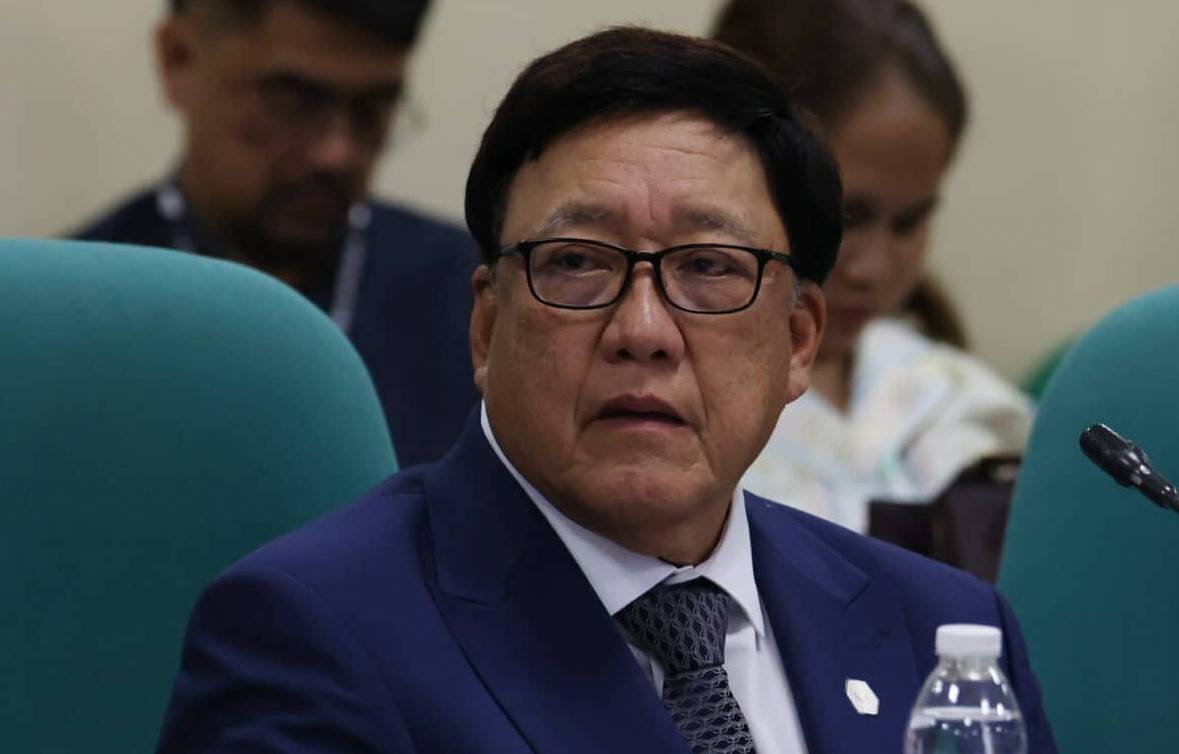
Prior to Fajardo’s resignation, however, there was no definite talk within the commission that it was about to wind down. But Reyes, a former Supreme Court associate justice, pointed out that the body was established with a “clear, time-bound mandate” to collect evidence, establish facts and recommend corrective measures.
EO 94, however, does not explicitly state the duration of ICI’s function as an ad hoc investigating body, except for a sunset clause that states: “The ICI shall be rendered functus officio (having performed the office) upon the accomplishment of the purposes for which it was created or unless sooner dissolved by the president.”
More powerful body
In announcing her exit from the ICI, Fajardo noted her contributions that included, among others, proposing how procurement and budgeting processes in government could be improved.
“Throughout my tenure, I have developed comprehensive approaches for evidence gathering, prepared detailed work plans, and supervised volunteer efforts in investigations,” she said.
Fajardo also noted that the Department of Justice (DOJ) and the Ombudsman are in a much “better” position to continue the probe and prosecution of those behind the anomalies in public works.
“Additionally, with the recent prioritization of bills for the creation of the Independent Commission Against Infrastructure Corruption and the Independent People’s Commission, a permanent commission with enhanced powers will be more effective in supporting the Ombudsman’s office in prosecuting parties involved in irregular government infrastructure projects,” she said, referring to pending legislative measures seeking the creation of a more powerful probe body.
Members of the ICI themselves, most recently former Public Works Secretary Rogelio Singson, the other commissioner who also resigned and served his last day on Dec. 15, have complained about the lack of powers, such as the authority to file cases, block fleeing individuals and freeze their assets and compel them to face the commission, to effectively fulfill its mandate.
Former national police chief Rodolfo Azurin, Jr., who was named the ICI special adviser, also helps in the investigations but his work focuses on ocular inspections of flagged infrastructure projects.
The ICI has yet to respond at press time to queries on whether it would do away with hearings next year or whether the plan to turnover the work to the Ombudsman or DOJ is the first step in the commission being dissolved.—WITH REPORTS FROM ZACARIAN SARAO, INQUIRER RESEARCH