







Iran to let Japan ships cross Strait of Hormuz

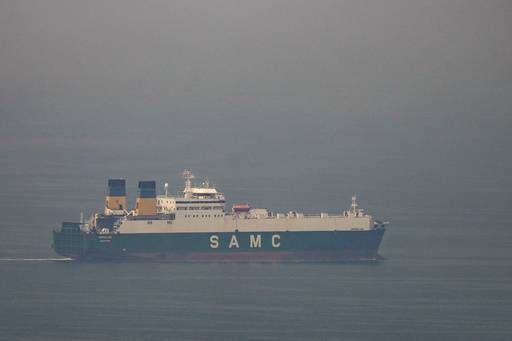
Iranian Foreign Minister Abbas Araghchi has said Tehran is ready to facilitate the passage of Japanese vessels through the Strait of Hormuz, a key artery for global energy shipments and that negotiations with Japan on the issue are ongoing.
“We have not closed the strait. It is open,” Araghchi said in a telephone interview with Kyodo News on Friday. He also stressed that Iran, which was attacked by the United States and Israel in late February, is seeking “not a ceasefire, but a complete, comprehensive and lasting end to the war.”
Araghchi said Iran has not closed the strategic waterway but has imposed restrictions on vessels belonging to countries involved in attacks against Iran, while offering assistance to others amid heightened security concerns.
He added that Iran is prepared to ensure safe passage for countries such as Japan if they coordinate with Tehran.
Japan’s crude imports
Japan relies on the Middle East for over 90 percent of its crude oil imports, most of which travel through the Strait.
The issue of navigation through the strait by Japanese vessels was discussed in his recent talks with Japan’s foreign minister, Toshimitsu Motegi, Araghchi said, noting that discussions are continuing, but the details cannot be disclosed.
Araghchi, a former ambassador to Japan, has held phone talks with Motegi twice since the attacks on Iran were launched on Feb. 28. The top Iranian diplomat said he had discussed the passage of Japanese ships through the strait with Motegi.
In their most recent conversation earlier in the week, Motegi urged Iran to ensure the safety of all vessels in the strait.
‘Most effective way’
The war has escalated into a broader confrontation that has raised concern about regional stability and the security of energy supplies passing through the Strait of Hormuz.
In Tokyo, a foreign ministry official said Japan will carefully assess Araghchi’s remarks, adding even if Japanese vessels are able to sail through, the surge in energy prices will remain.
A Japanese government official said that “directly negotiating with the Iranian side” is the “most effective way” to lift the blockade of the strait, while noting the need to avoid provoking the United States.
No temporary truce
Vessels from countries such as India, Pakistan and Turkey have reportedly passed through the strait.
Iran has rejected calls for a temporary truce, insisting that any resolution must include guarantees against future attacks as well as compensation for the damage inflicted during the conflict.

Araghchi described the war as “imposed on Iran,” saying Tehran had been engaged in negotiations with the United States when the attacks began.
“This was an illegal, unprovoked act of aggression,” he said, adding that Iran’s response constitutes self-defense and will continue “for as long as it takes.”
‘Fair’ position
He called on the international community, including Japan, to take a stand against the attacks, while expressing appreciation for Tokyo’s traditionally “balanced and fair” position and long-standing friendly ties with Iran.
Araghchi said he was aware of Japanese Prime Minister Sanae Takaichi’s visit to Washington for summit talks with US President Donald Trump, expressing hope for the role that “Japan can play to end this aggression.”
The foreign minister noted that several countries are attempting to mediate an end to the conflict and said Iran is “open to any initiative” and willing to consider proposals.
He suggested that while diplomatic efforts are ongoing, the United States has yet to demonstrate its readiness for a genuine resolution.