







Japan may abolish face-to-face immigration checks

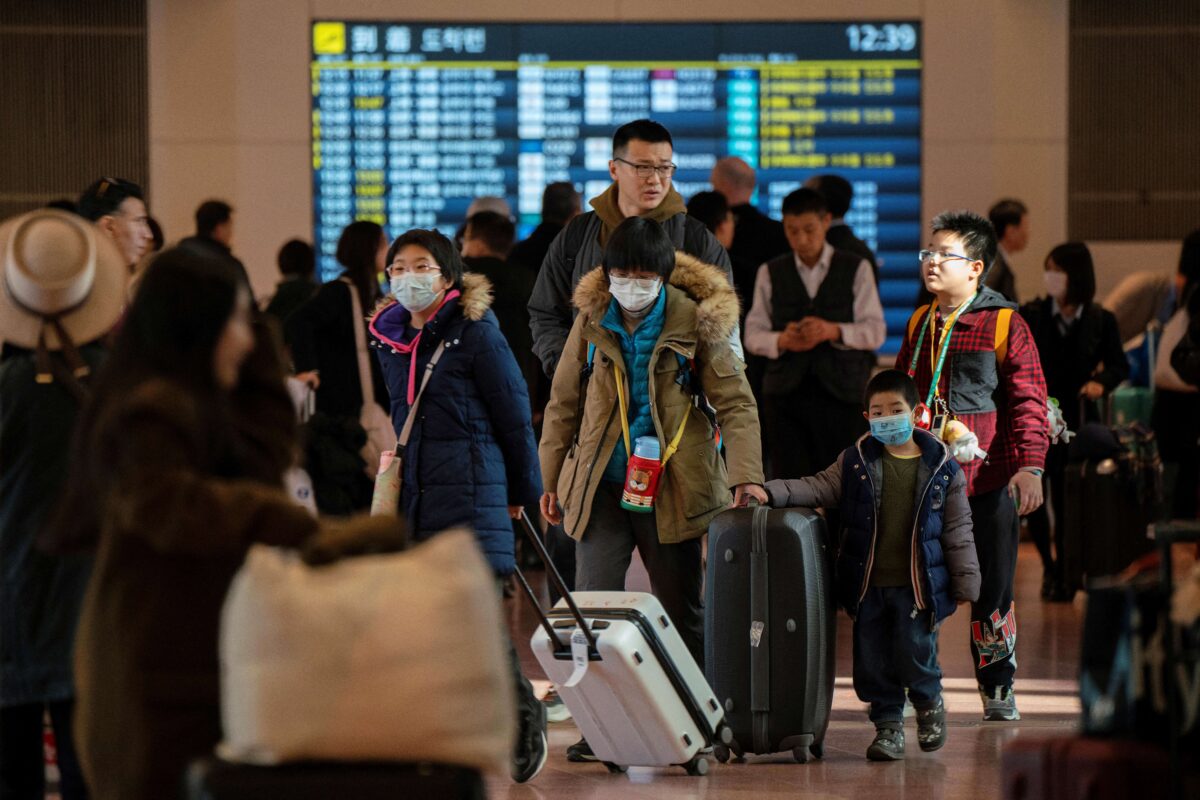
The Japanese government is moving to abolish with the need for most foreign tourists to meet face-to-face with immigration officers to enter the country as it seeks to streamline entry procedures amid the inbound tourism surge.
The Immigration Services Agency said it would instead rely on visitor information collected through an online pretravel screening system called Japan Electronic System for Travel Authorization (JESTA), set to launch in fiscal 2028.
Doing away with in-person immigration checks to reduce airport congestion is rare by global standards, the agency said.
The government plans to develop the legal framework for the system through a bill to amend the immigration control law that is expected to be submitted in the current Diet session.
Online submission
Foreign visitors from countries exempt from short-stay visas would be subject to the new system. Currently, 74 countries and regions meet this requirement.
Japan saw a record 42.7 million foreign visitors in 2025 and is aiming for 60 million by 2030.
JESTA would ask visitors to submit the purpose of their trip online before traveling, after which immigration authorities would grant or deny entry permission. Those suspected of intending to overstay would be denied boarding.

On arrival at some airports in Japan, travelers are already having their fingerprints and photos taken by a digital tablet called the Integrated Kiosk, which handles both immigration and customs checks.
Integrated kiosk
Under the proposed system, if no issues are found, such as a history of overstaying, they would be allowed to pass through the gate and enter the country. Immigration officers would be stationed near the gates and could conduct face-to-face checks if they spot suspicious activity.
The Integrated Kiosk is currently available at Narita, Haneda, Kansai and Fukuoka airports, with the agency planning to expand the system to more airports.