










Jinggoy’s perjury complaint vs ex-DPWH engineer junked

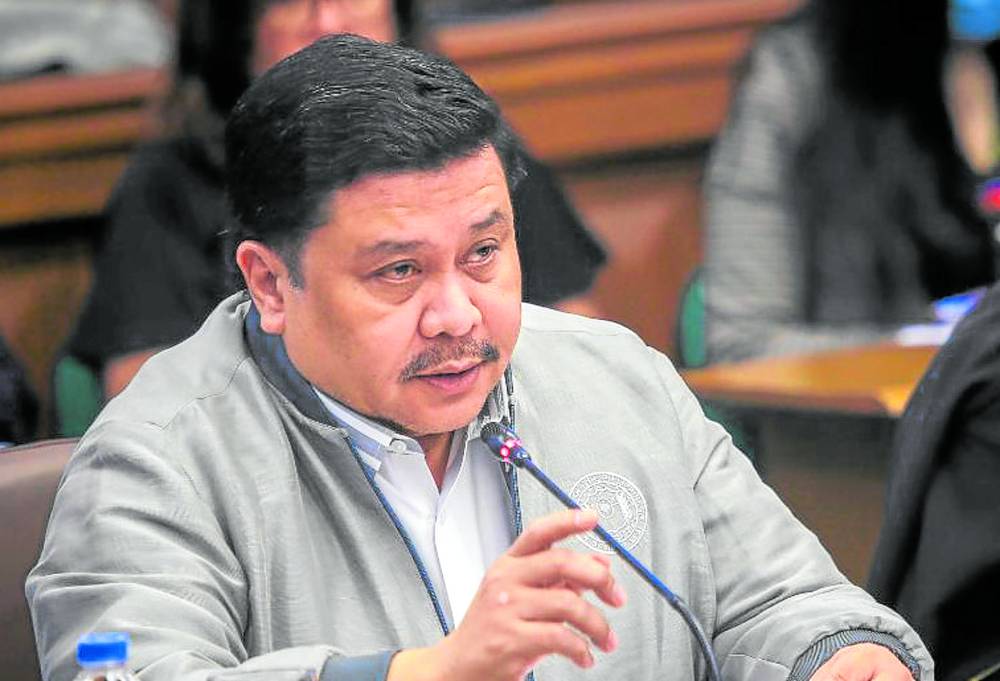
The Quezon City prosecutor’s office has dismissed the perjury complaint filed by Sen. Jinggoy Estrada against former Bulacan district engineer Brice Hernandez for lack of sufficient evidence.
Estrada sued Hernandez in October after the latter claimed during one of the Senate blue ribbon committee hearings that the senator received millions of pesos in kickbacks from flood control projects.
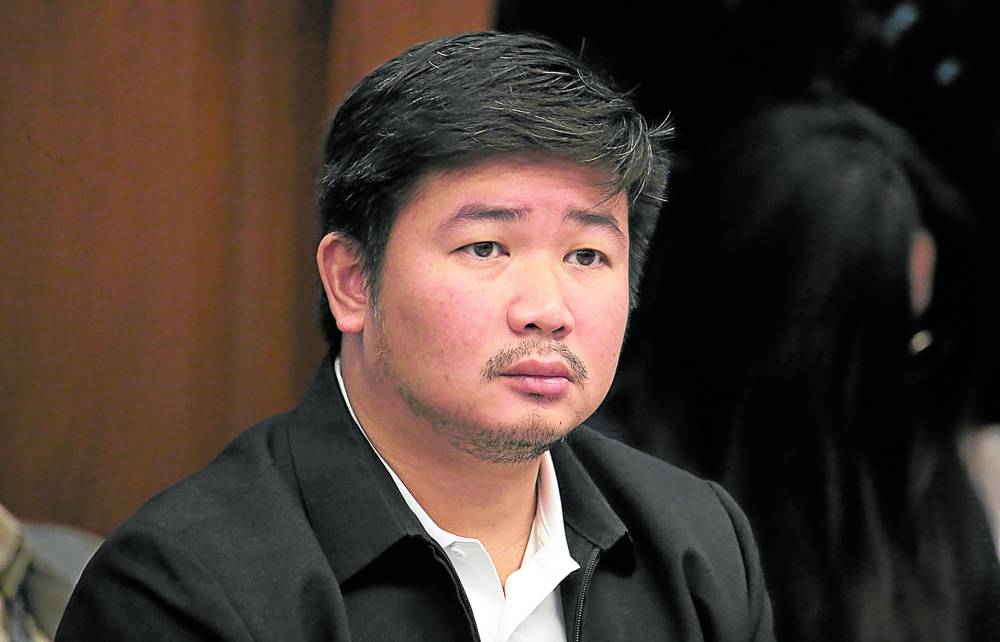
Hernandez was one of the engineers of the Department of Public Works and Highways (DPWH) who were implicated in anomalous flood control projects in Bulacan. He has since been dismissed from the DPWH.
In his complaint, which accused Hernandez of committing perjury on four counts, Estrada attached his statement of assets, liabilities and net worth (SALN) to disprove the engineer’s allegations.
But in a 12-page resolution released on Friday, the prosecutor said the senator failed to establish reasonable evidence to pin Hernandez down for the crime.
According to the prosecutor, Hernandez cannot be charged with perjury as the crime lies in the “willful and deliberate assertion of falsehood,” not in the mere inaccuracy of their statements.
“Applying these principles, this Office finds that the complainant has not substantiated the required malicious intent,” the resolution read.
Personal knowledge
The prosecutor noted that Hernandez, in making his allegations, consistently maintained that he based them on his personal knowledge and involvement in DPWH operations, or that he believed his own statements to be true in acting as a whistleblower.
“The subsequent denials and the SALNs do not, by themselves, conclusively prove that the respondent knew his statement was false at the moment he swore to it,” the resolution said.
“As the Supreme Court has held, the complainant must prove not only that the statement was false, but also that the defendant did not believe it to be true,” it added.
The prosecutor also explained that contradictory statements alone are insufficient to establish perjury “without independent, corroborative evidence of which specific statement was deliberately false.”
“In sum, while the respondent’s statements may have been inaccurate, reckless, or made with poor motives, the evidence on record does not sufficiently demonstrate that he made them with the evil intent and legal malice that perjury requires,” the prosecutor said.