










Landslide poll win for rapper’s party

KATHMANDU—A political party led by an ex-rapper is set for a landslide victory in Nepal’s first parliamentary election since Gen Z protests ousted the old leadership that had ruled the Himalayan nation for decades.
The Rastriya Swatantra (RSP) or National Independent Party, formed only four years ago, had already won 103 of 165 directly elected seats and led in 21 other constituencies in the results published on Sunday morning by Nepal’s Election Commission.
Other political parties and independent candidates had won 27 seats in total so far. Officials were still counting the votes on Sunday and final results were expected later in the week.
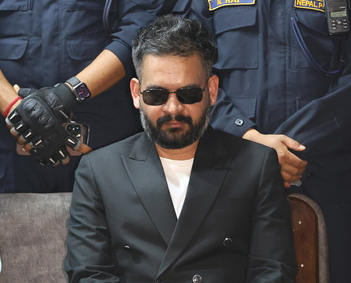
The party’s bet for prime minister is rapper-turned-politician Balendra Shah, who won the 2022 mayoral race in this country’s capital of Kathmandu. He emerged as a leading figure in the 2025 uprising that ousted former Prime Minister Khadga Prasad Oli.
In Nepal, voters directly elect 165 members to the House of Representatives, the lower chamber of Parliament. The remaining 110 seats in the 275-member body are allocated through a proportional representation system, under which political parties are assigned seats based on their share of the vote.
On Sunday, RSP also led with about 51 percent of the 110 seats.
‘Ballot revolt’
RSP has unseated two long-dominant parties—the Nepali Congress and the Communist Party of Nepal (Unified Marxist-Leninist)—which have taken turns ruling the country.

Local papers called the sweeping win a historic moment. “RSP set for a landslide victory,” said the popular The Himalayan Times. “People’s ballot revolt; shift in political paradigm,” said Annapurna Post.
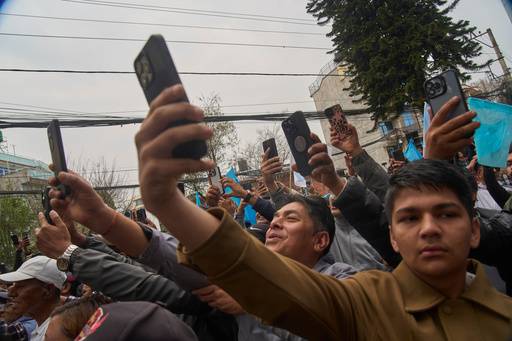
RSP supporters have been celebrating the win in several constituencies, offering the winners flower garlands, bouquets, scarfs and smearing them with red vermilion powder.
The party officials, however, have asked their candidates and supporters to refrain from victory rallies or any other public celebrations out of respect for the dozens of lives lost during last year’s youth-led protests.
Last year’s protests against corruption and poor governance were triggered by a social media ban before snowballing into a popular revolt against the government. Dozens were killed and hundreds wounded when protesters attacked government buildings and police opened fire on them.