


Law experts: Zaldy Co’s return may take months

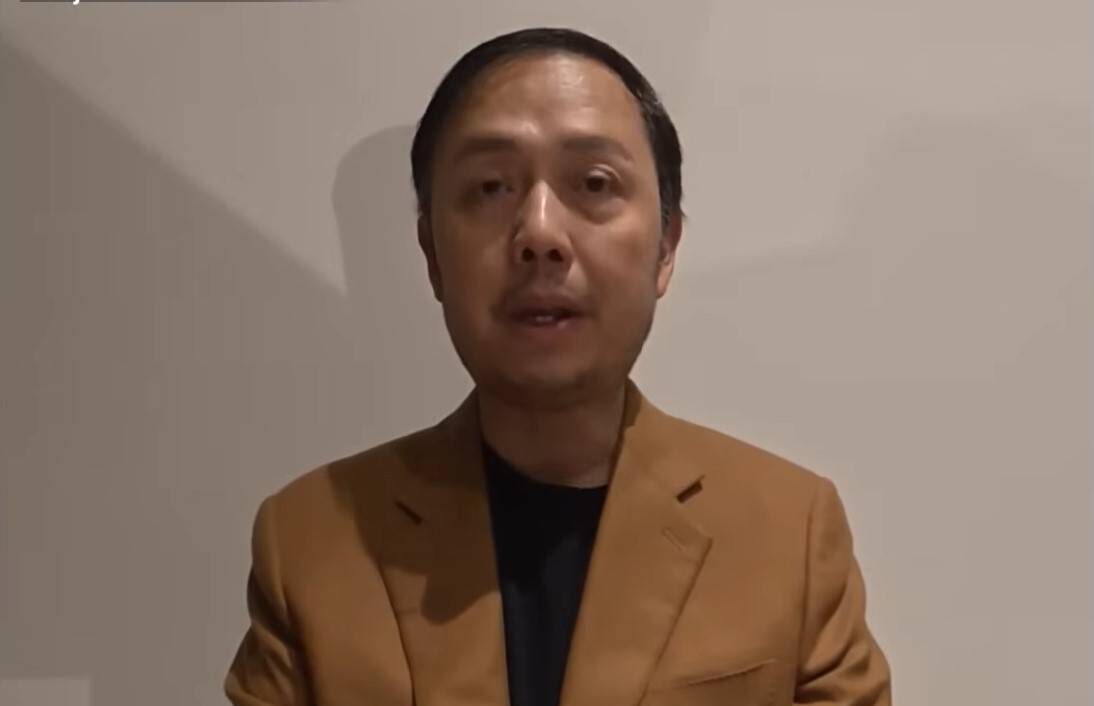
It may take at least several months before Elizaldy “Zaldy” Co could be handed over to Philippine authorities, should he dispute his deportation and seek asylum in the Czech Republic, international law experts said over the weekend.
They also said the swift return of the former lawmaker would depend on the diplomatic negotiations to be undertaken by the two countries since Manila and Prague have no extradition treaty.
According to lawyer Ralph Sarmiento, the fastest way for Co to be flown back to the Philippines is through deportation, which usually takes less than two weeks. But this is only if Co does not appeal the Czech foreign police’s decision.
“What’s important right now is the coordination of the Philippine Department of Foreign Affairs (DFA) with the Czech Ministry of Foreign Affairs. An immediate deportation of Co can be negotiated,” Sarmiento, former dean of the University of St. La Salle College of Law in Bacolod City, said on dzBB on Sunday.
“The Czech Republic can immediately deport Co if they agree with the Philippines on the terms of deportation,” he added.
The Inquirer has reached out to Col. Aleš Benedikt, director of the Foreign Police Service of Czech police, as well as Pavla Novotná, director of the Department of Asylum and Migration Policy of the Czech interior ministry, through their official email addresses for information on Co’s legal status and his detention facility, but received no response as of this writing.
Prague’s prerogative
Under Czech laws, police must issue a decision on administrative deportation within seven days upon the start of proceedings. An appeal must be made within five days.
The deportation should be enforced between seven and 60 days after the Czech police releases its decision.
“However, if the individual poses a risk to state security or public order, the police may set a departure deadline of less than seven days,” the law states.
Sarmiento noted that the immediate deportation of Co is solely the prerogative of the Czech government.
He said the Philippines should “normally” not face difficulty in gaining custody of Co, after Prague resolves the administrative removal and gives the former lawmaker a voluntary window to exit the country.
But the process may be complicated and Co’s return may take much longer should he avail himself of judicial remedies.
Asylum route
Another possible route that Co may take is to apply for refugee status and seek asylum with the Czech Republic, citing that he was being persecuted by the Marcos administration for the statements he made in the past, lawyer Rodel Taton told Malacañang journalists over the weekend.
“There can be questions on that and he can raise that there is a well-founded fear on his life and also on the basis of his political opinion and that he would pray for his nonreturn to the Philippines,” explained Taton, dean of the Graduate School of Law at San Sebastian College-Recoletos.
Taton said the Czech Republic can be open to asylum seekers, noting that he has personal knowledge of three persons who applied and were granted asylum.
This may further delay Co’s deportation, as the proceedings may be suspended pending the decision on an asylum application.
The process of administrative deportation only resumes after the asylum proceedings are terminated, including the waiting time for the Czech interior ministry to grant or reject the application, and any court appeals.
The asylum application may also trigger a review of Co’s detention, which may result in his release from the custody of Czech police.
Should this happen, the Philippine government can block Co’s asylum petition.
“There are already warrants of arrest against him. It’s on the part of the Philippine government to make it very clear to the Czech government that this is not a case of persecution, but rather a case of prosecution for violations of graft and malversation,” Taton said.
In addition, if Co really acquired a golden visa from Portugal, Sarmiento said, he may request Lisbon to file a diplomatic claim that he is their resident, further delaying his deportation.
Under Czech law, the longest period for an administrative expulsion process can reach 545 days, or up to one and a half years—the allowed maximum period of detention, excluding the time required for a final ruling on an asylum application and subsequent judicial reviews.

Co, a key figure in the trillion-peso public works corruption scandal exposed last year, is facing graft charges at the Sandiganbayan over his alleged ties to a company that built a substandard flood control project in Oriental Mindoro province.
The DFA canceled his passport in December 2025.
No updates yet
On Thursday, President Marcos announced in a Facebook post that Co has been detained in Prague due to lack of proper travel documents.
On Friday, the President made another update confirming that Co was stopped at the German border after entering from the Czech Republic.
“He was denied entry and returned to Czech authorities, where he remains in custody,” Mr. Marcos said.
Mr. Marcos said the Philippine government is coordinating with the Czech government “to ensure that all legal processes are followed and to arrange for his return to the Philippines at the soonest possible time.”
There has been no update from Malacañang since then.
When sought for an update on Saturday, Interior Secretary Jonvic Remulla referred the Inquirer to the DFA. He said earlier it may take from one to three weeks before Co could be brought back to the Philippines.
******
Get real-time news updates: inqnews.net/inqviber