










Leyte waters cleared of red tide; shellfish ban stays in Matarinao Bay

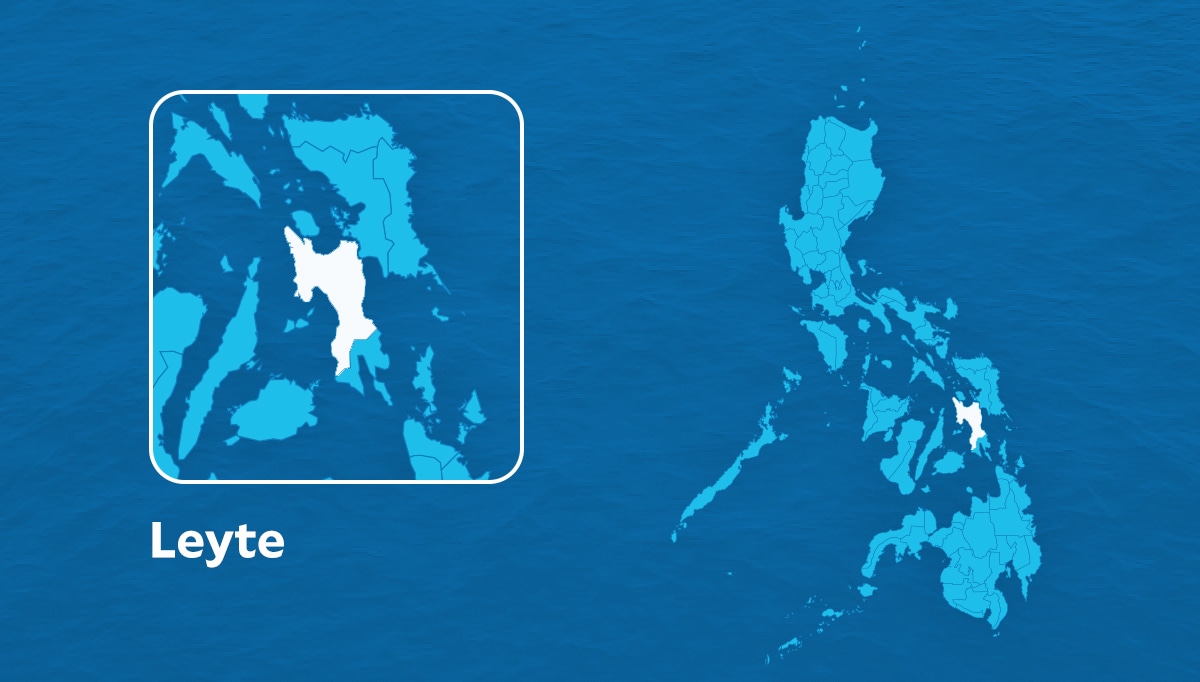
TACLOBAN CITY—Shellfish harvested from the coastal waters of Leyte are now safe for human consumption after testing negative for paralytic shellfish toxin, commonly known as saxitoxin, the Bureau of Fisheries and Aquatic Resources (BFAR) regional office announced Friday.
In its latest advisory, BFAR said laboratory analysis of shellfish meat samples collected from Leyte showed no presence of red tide toxins, allowing the gathering, transport, sale and consumption of all types of shellfish, as well as Acetes species, locally known as “alamang” or “hipon.”
However, BFAR maintained a shellfish ban in Matarinao Bay in Eastern Samar, covering the coastal towns of General MacArthur, Quinapondan, Hernani and Salcedo, after samples from the area tested positive for saxitoxin.
Algae bloom
“All types of shellfish and Acetes species gathered from Matarinao Bay are not safe for human consumption,” BFAR warned, reiterating that the ban remains in effect until further notice.
Red tide is caused by the rapid growth, or “bloom,” of microscopic algae, particularly toxic dinoflagellates, which naturally occur in marine waters.
These organisms multiply faster under certain conditions, such as warm sea temperatures, calm waters and increased nutrients from agricultural runoff or domestic waste. Shellfish feed on these algae and can accumulate toxins in their tissues without appearing spoiled, posing serious health risks to humans who consume them.
Exposure to saxitoxin can lead to paralytic shellfish poisoning (PSP), a potentially fatal condition that affects the nervous system and may cause numbness, paralysis and difficulty breathing.

BFAR clarified that fish, squid, shrimp and crabs caught in waters affected by red tide remain safe to eat, provided they are fresh and properly cleaned. Consumers are advised to remove internal organs such as intestines and gills and to wash the seafood thoroughly before cooking.
The agency urged the public to heed advisories and warned against harvesting or selling shellfish from restricted areas to prevent health emergencies.
BFAR continues to monitor coastal waters in Eastern Visayas and said it will lift the shellfish ban in Matarinao Bay once toxin levels fall within safe limits.