











Locals take lead in saving turtles in Zambales

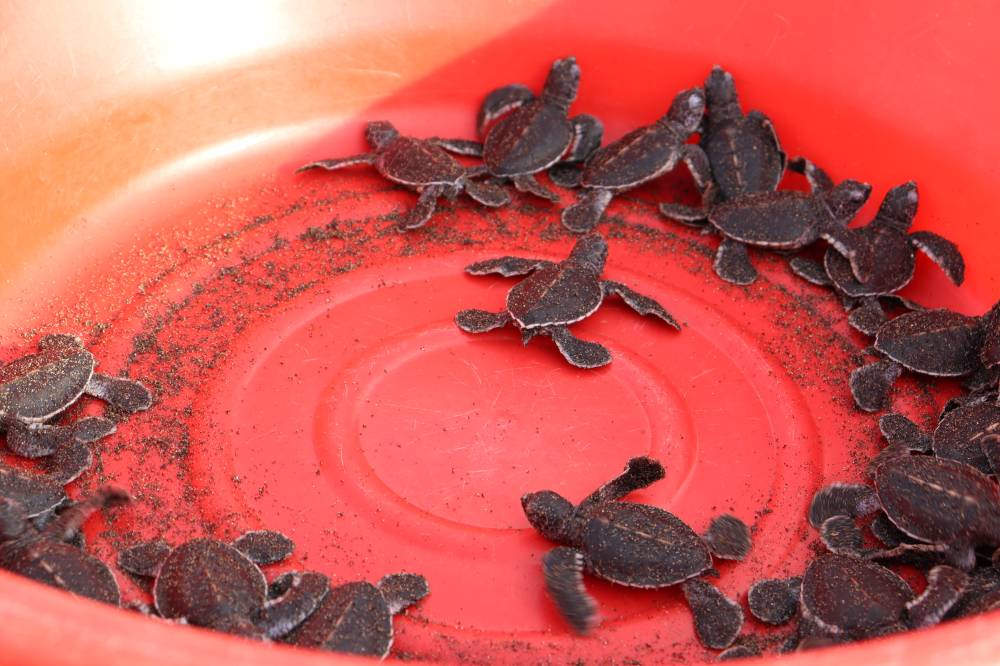
SAN ANTONIO, ZAMBALES—Along the shores of Masinloc-Oyon Bay, a protected landscape and seascape, hope persists for one of the ocean’s most vulnerable creatures—the “pawikan” or marine turtles.
A 7,000-hectare sanctuary of sandy beaches, mangroves and coastal waters, the bay is the first and only marine protected area in Central Luzon established under Republic Act No. 11038, or the Expanded National Integrated Protected Areas System Act. It has long been a critical nesting ground for olive ridley and green sea turtles.
Last year, more than 300 hatchlings emerged from the sand and made their perilous journey to the sea—a testament to the ongoing conservation effort in the area.
Now, the Department of Environment and Natural Resources (DENR), through its Community Environment and Natural Resources Office (Cenro) in Masinloc town, is strengthening that work by turning local communities into front-line protectors of the bay’s marine life.
According to Cenro-Masinloc chief Donaver Guevarra, around 40 participants—including residents and protected area implementers—took part in a hands-on training last week designed to equip them with skills in species identification, nesting beach monitoring, hatchery management, and the rescue and rehabilitation of stranded or injured turtles.
Participants also learned about turtle biology, threats to their survival and the legal frameworks that safeguard them.
Sustaining marine life
“The support of coastal communities is vital in sustaining marine life, especially the pawikan that frequently nest within MOBPLS (Masinloc-Oyon Bay Protected Landscape and Seascape),” Guevarra said.
Field exercises allowed participants to assess actual nesting sites and exchange best practices for local conservation, bringing lessons directly from the classroom to the sand and surf.

For DENR Regional Executive Director Ralph Pablo, these efforts are more than training—they are part of a continuing effort to safeguard critical marine biodiversity, particularly marine turtles, which are considered vital indicators of ocean health and are protected under Republic Act No. 9147, or the Wildlife Resources Conservation and Protection Act.
“We need to protect this vital marine life. Their survival depends on us. Strengthening the capacity of local implementers is essential to ensuring the long-term survival of marine turtle populations and maintaining the ecological integrity of coastal and marine ecosystems in Zambales,” Pablo said.
******
Get real-time news updates: inqnews.net/inqviber