




Marawi beyond the battlefield

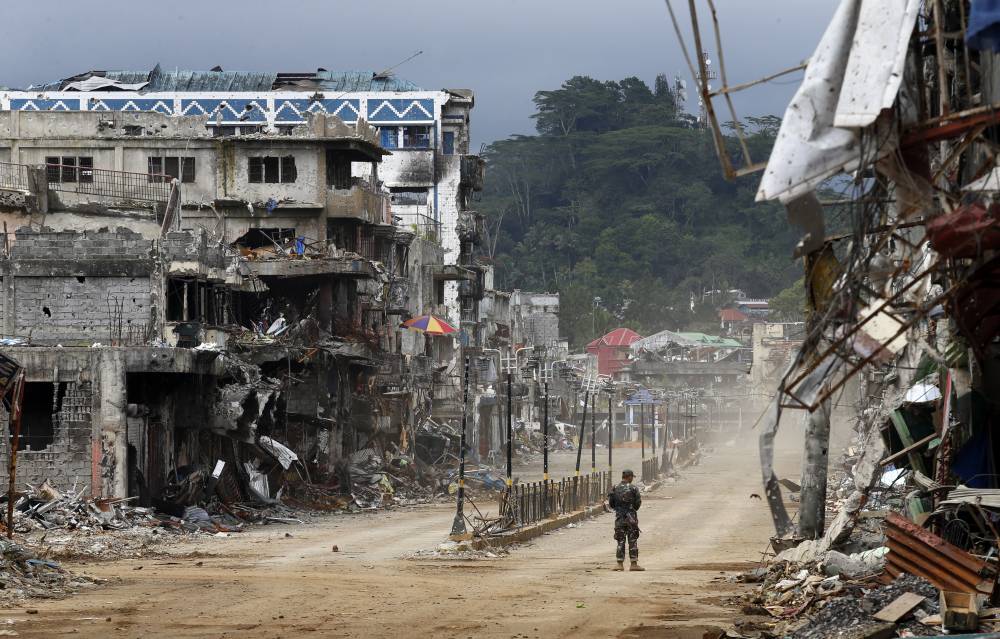
I was on a three-day peace conference in Butuan City when militants belonging to the Lanao del Sur-based Maute Group and Basilan-based Abu Sayyaf Group, which had links to the Islamic State (IS) terror network, began their bid to take control of Marawi City on May 23, 2017.
Not wanting to miss crucial updates from major players in the Bangsamoro peace process, as well as those with the communist rebels, I decided to stay on and follow developments in Marawi.
The Marawi siege came less than four years after a few hundred Moro National Liberation Front (MNLF) members launched an offensive in Zamboanga City in what would be dubbed the “Zamboanga siege” in September 2013. Three months earlier, there was an attempt by the Maute Group to take control of the municipal government compound of Butig town in Lanao del Sur province.
Scenes from these recent wars rushed into my mind as I painted a mental map of what could likely unfold on ground and how I should navigate the shaping landscape in order to produce compelling stories of yet another saga of war in this part of Mindanao whose people are supposedly expecting to experience the early dividends of the landmark peace deal between the government and the Moro Islamic Liberation Front (MILF) in 2014.
As the conference wrapped up, I texted then Mindanao Bureau chief, Nico Alconaba, for guidance, asking him about the stories that I should follow.
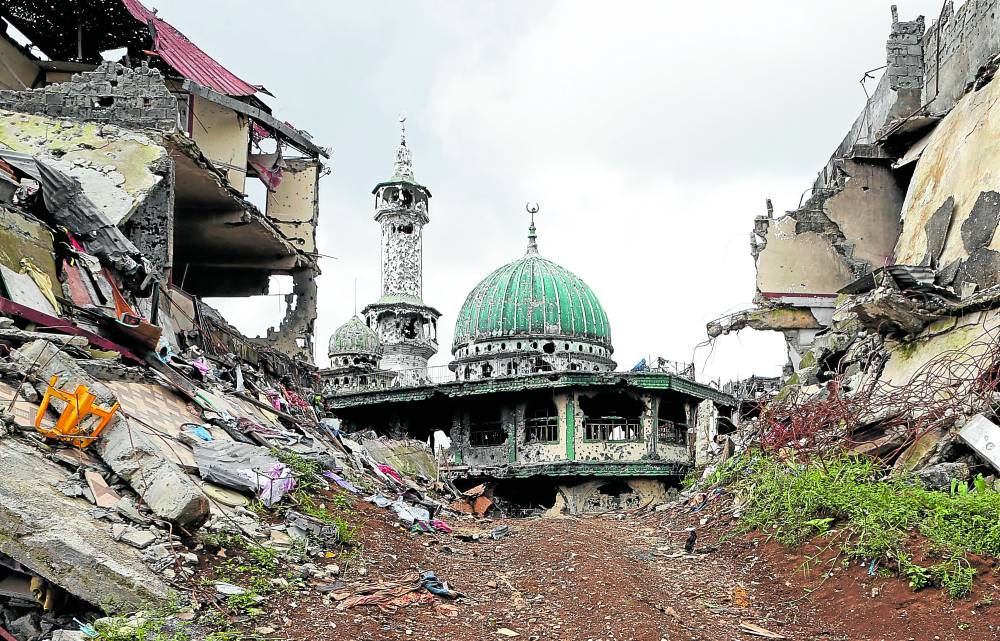
His reply was quick, seemingly instinctive: “Context … Explain the siege.” Nico then called to also remind me to help produce more stories about the plight of those who fled the city. He noted that at the start of the crisis, the exodus of people from Marawi captured national attention, but in the succeeding days, the thunder of war had taken over the narrative.
I got it. The sooner the context of the crisis can be brought into the open and explained, the sooner potential solutions can be drawn.
We agreed that the purely military means to resolve the Marawi crisis only spell more death and destruction. If only our stories could surface alternative voices, war would not be the only option on the table.
Evacuees’ tales
I arrived in my staging ground of Iligan City armed with that mission.
The initial salvo of my coverage focused on the tales of evacuees who would introduce me to the far greater humanitarian crisis that was brewing, not just involving those who fled Marawi, but also a big portion of Lanao del Sur communities economically dependent on the city.
It was hard not to be drawn into the daily ruckus of the battle, as if going into a theater and being transported into the scenes in a movie. Action-filled tales from close-quarter battles between heroes and villains are aplenty. There was also the raw display of the country’s modernizing firepower at work, the use of information technology to keep track of enemy movements, and the employment of drones in surveillance and target acquisition.
But it was also hard to close our eyes to the plight of at least 500,000 people whose lives suddenly turned for the worst amid the promise of peace supposedly ushered in by the 2014 Comprehensive Agreement on the Bangsamoro.
Two months into covering the crisis, just before I had a two-year respite from journalism, we managed to surface the dire humanitarian and sociopolitical consequences of the war, described the conflict’s beginnings and explaining dynamics to help picture out the likely extent of the crisis, and brought to the fore the voices of Maranao sectoral, religious and traditional leaders that were sadly unheeded by then President Rodrigo Duterte who claimed to have a tribal ancestry similar to their own.
Glitch
Nico would later admit that the years of overseeing coverages related to the wars in Central Mindanao and the Bangsamoro peace process had hugely influenced the Mindanao Bureau’s direction-setting for chronicling the Marawi crisis.
Incidentally, the Marawi siege was the result of a glitch in the peace process when the government failed to immediately build the Bangsamoro transition government in 2015 due to political concerns arising from the botched police operation in Mamasapano, Maguindanao, where 44 members of the police Special Action Force elite forces were killed by both MILF and IS-linked gunmen.
A special report in 2016 had noted that such failure “dealt a heavy blow to the peace process in Mindanao, creating sociopolitical crevices that can be filled by the dangerous seeds of extremism which can threaten the country and its Southeast Asian neighbors.”