






Marcos son proposes ‘no work, no pay’ for lawmakers

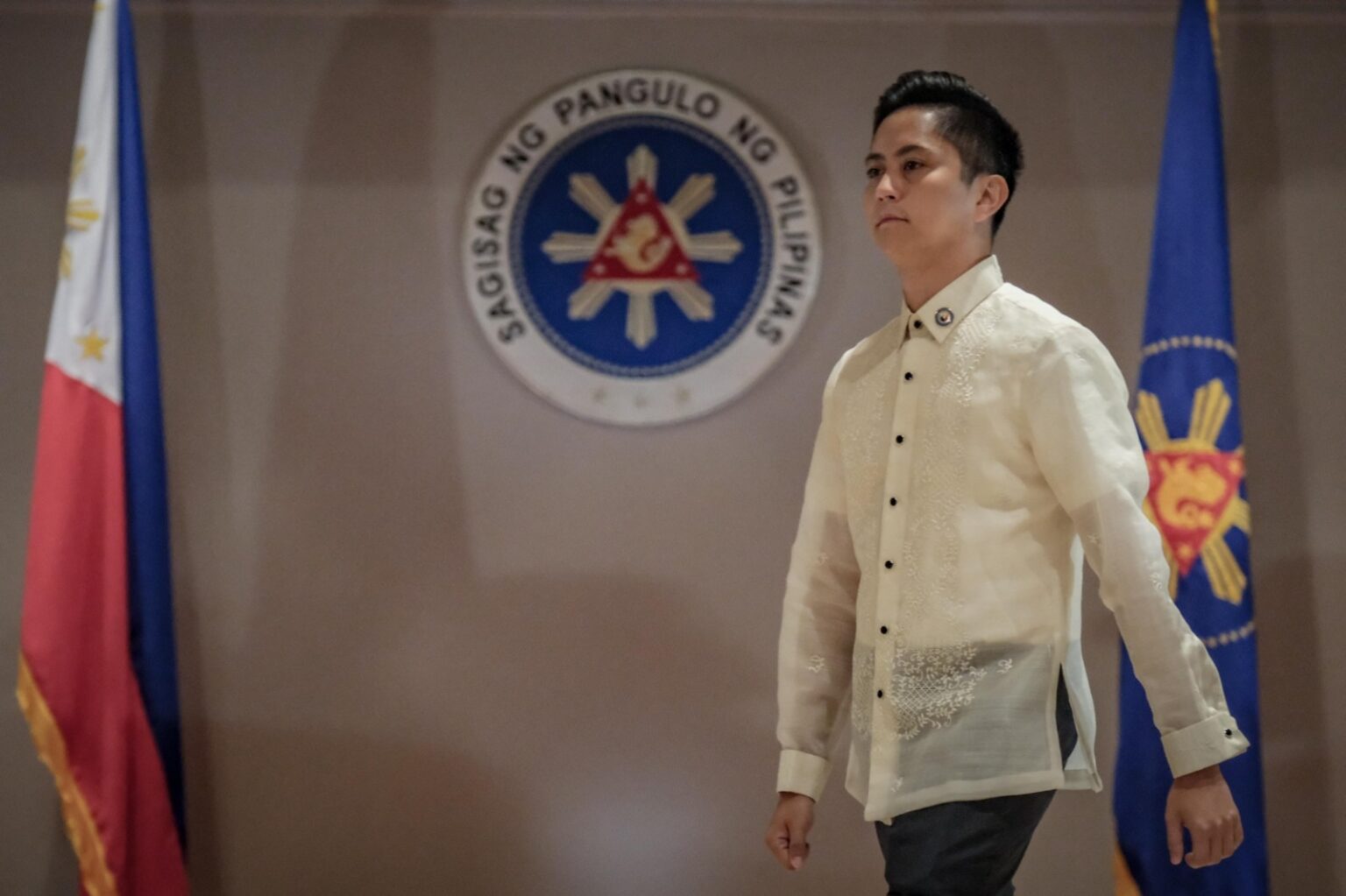
Will there be enough lawmakers “present” to discuss this?
A bill laying down a “no work, no pay” policy for members of Congress has been filed at the House, its author concerned about absenteeism being one of the reasons lawmakers keep drawing public criticism.
The draft measure, introduced by Ilocos Norte Rep. Ferdinand Alexander Marcos, the son of the President, was referred by the House committee on rules to the committee on appropriations on Monday.
Under the bill, members of Congress—both in the Senate and the House of Representatives—will only be compensated “for days in which they are present and performing official legislative duties.”
Performance of duty means attendance in plenary sessions; participation in committee hearings, and engagement in other official activities.
‘Valid reasons’
The Marcos bill said they would not be marked absent if they give “valid reasons” for missing official events:
Contracting an illness, as certified by a licensed physician; attending another official activity or going on official travels authorized by the Senate or House leadership; and “approved leave of absence.”
In his explanatory note, Marcos said the bill seeks to adopt no work, no pay policy for Congress it is also a practice in the private sector.
“The principle of ‘no work, no pay’ is a general labor standard applied to workers across the country. However, members of Congress, who are entrusted with the responsibility of crafting laws and representing the people, are currently compensated regardless of attendance or participation,” he added.
“This has led to public concern over absenteeism, lack of accountability and wastage of taxpayer funds,’’ said Marcos, who is also the House majority leader.
Attendance records
If enacted, the bill will also require the “publication of (the lawmakers’) attendance records to strengthen public trust and oversight.”
“To the objection that this bill is probably unconstitutional, for selective discrimination against Members of Congress (hence, a class legislation), it must be remembered that no less than the 1987 Philippine Constitution itself provides for the statutory regulation of the official compensation for Members of Congress when it states in part, under Section 10 of Article VI, that ‘The salaries of Senators and Members of the House of Representatives shall be determined by law,’” he said.