








NIA solar irrigation sees stable Bicol rice output amid fuel crisis

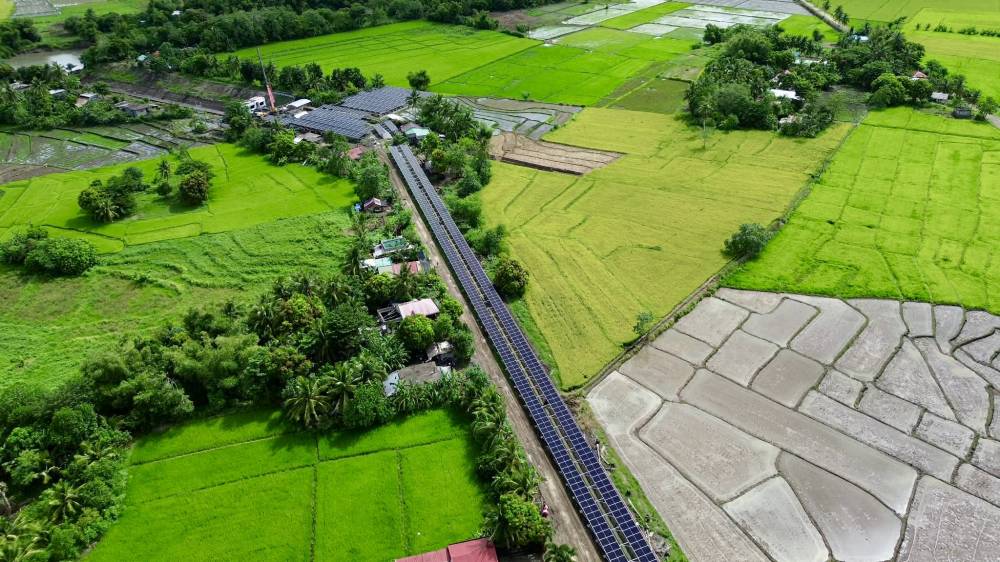
LEGAZPI CITY—Rice production in the Bicol region is expected to remain stable despite rising fuel prices as more farms shift to solar-powered irrigation, the National Irrigation Administration (NIA) said.
Engineer Gaudencio John De Vera, NIA Bicol regional manager, told the Inquirer in a phone interview on Tuesday that around 60,000 hectares of rice fields in the region are currently irrigated, with several areas now using solar-powered systems that reduce farmers’ reliance on diesel and gasoline.
In Camarines Sur province, among the largest service areas are those managed by the New Massba Multi-Purpose Cooperative, which irrigates 1,255.85 ha serving 1,132 farmers in Minalabac town, and the San Agustin-San Ramon Agrarian Reform Farmers Cooperative, covering 551.92 ha benefiting 722 farmers in Bula town.
He said the initiative supports President Marcos’ push to reduce fuel consumption, conserve energy, and mitigate the negative impact of rising petroleum prices and worsening climate change.
“So far, 22 small solar irrigation systems have been completed in the Bicol region, particularly in Albay, Masbate, and Sorsogon. Similar projects are under way in Camarines Norte and Catanduanes,” De Vera added.
He said the projects are part of the Solar-Powered Irrigation Project launched in 2024 to modernize irrigation systems and promote renewable energy in agriculture.
Steady water supply
According to De Vera, solar-powered pumps ensure a steady water supply even as fuel prices fluctuate, allowing farmers to cut operating costs and sustain productivity.
“The agency converted old diesel-powered irrigation pumps into solar-powered systems, especially in Camarines Sur, allowing farmers to significantly reduce electricity expenses,” he said.

De Vera added: “In some areas, electricity bills that used to reach about P400,000 have dropped to around P7,000 after shifting to solar-powered irrigation.”
He said the agency is also monitoring water levels in rivers but has so far recorded no depletion.
“Just in case El Niño hits the region, we are ready. Our solar-powered irrigation projects are already operational,” De Vera noted.
The NIA expects harvests by May or early June, with projected yields reaching at least 5 metric tons per hectare, which officials said would help sustain food security in the region.