










Oversupply spoils sardines in Sorsogon

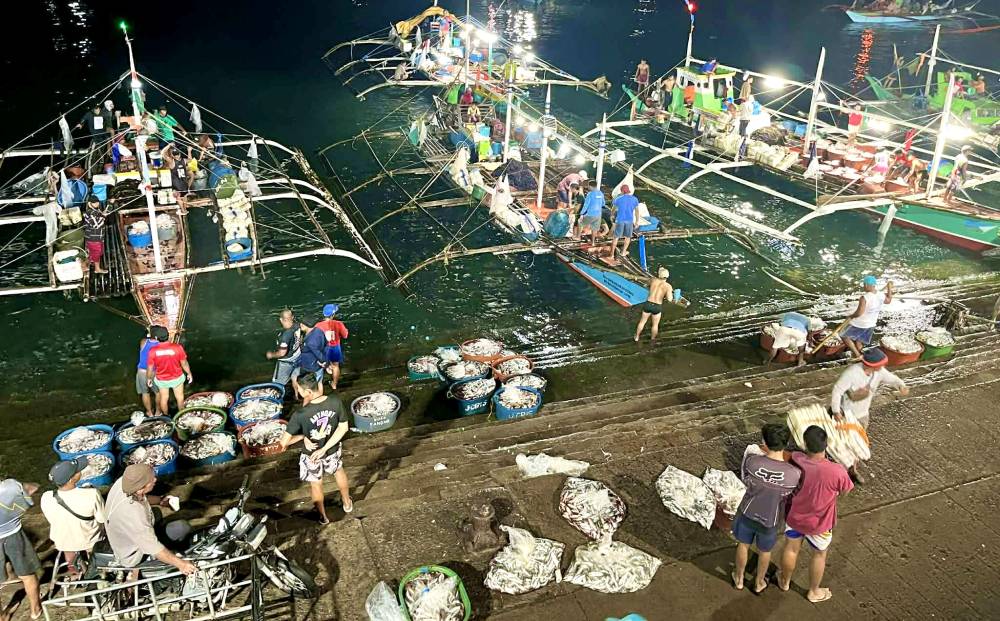
LEGAZPI CITY—An unexpected oversupply of sardines, locally called “tamban” or “lawlaw,” has led to spoilage in Bulan, Sorsogon, after fish processing plants temporarily halted operations during Holy Week, the Bureau of Fisheries and Aquatic Resources (BFAR) Bicol reported.
In an interview on Tuesday, BFAR Bicol Director Ariel Pioquinto said the surge in supply on Sunday caught authorities off guard, as large catches arrived simultaneously due to the sudden abundance of sardines.
“The sardine influx was unpredictable, as more fishing vessels delivered a much larger volume than usual,” Pioquinto said.
Bulan has 6,727 registered fisherfolk, 755 municipal fishing boats, and 152 small-scale commercial vessels.
On regular days, about 200 boats operate, but this can rise to 500 during peak periods, with each vessel delivering 50 to 60 tubs (“banyera”) of sardines, causing congestion at fish landing areas.
“When they arrive, the volume exceeds what can be handled during unloading,” Pioquinto said. Philippine Fisheries Development Authority data showed 200 to 300 boats were already unloading daily in recent weeks.
The oversupply caused prices to plummet—from P1,000 per tub when scarce to as low as P60 when abundant. Poor handling, such as failing to bring ice at sea, further reduced fish quality.
“Sardines are highly perishable. Without ice, they spoil quickly and lose value,” Pioquinto explained.
He said the limited cold storage and ice-making facilities in the area also prevent proper preservation.
Establishing storage is often unviable due to low market value, high operating costs, and the risk of affecting fish texture, Pioquinto added.
Temporary closure
The situation worsened during Holy Week when at least six processing plants temporarily closed, removing major buyers from the market.
Despite advisories to halt fishing, some fishermen continued, Pioquinto said.

BFAR has deployed refrigerated vans to redistribute catches to other markets free of charge and is considering subsidies for ice production to extend freshness. Still, some spoiled fish had to be buried.
Daily sardine catches in the area can reach 3,000 tubs at peak season. Sardine abundance in the Ticao-Burias Pass typically follows the November to January spawning season, peaking two to three months later.
Pioquinto urged fishermen to scale back their catches during peak seasons to avoid spoilage and reduce waste.”
“Sardines, if not properly preserved, spoil easily, causing major losses,” he said, adding that BFAR will continue working with stakeholders to improve coordination, enforce regulations, and prevent similar incidents in the future.
******
Get real-time news updates: inqnews.net/inqviber