







Pacifist Japan pursues military buildup

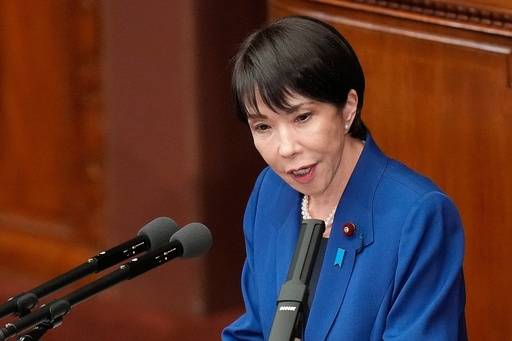
Japan is barreling forward with efforts to significantly boost its military capabilities to stand up to China’s growing threats by doubling annual arms spending, as Tokyo’s main ally, the United States, is pushing for more military assistance in Asia.
Japan says it is still a peaceful nation and the buildup is necessary for a more self-reliant military that can better deter China.
But Beijing and other critics see Japan as deviating from its postwar peace pledge, pointing to Prime Minister Sanae Takaichi’s statement soon after taking office that any Chinese military action against Taiwan could be grounds for a Japanese military response.
Major defense spender
Japan’s transformation into one of the world’s major defense spenders has developed over decades and raises the question of whether the ongoing buildup is a violation of its pacifist constitution.
After World War II, Japan was not supposed to have a military.
During the 1945-1952 US occupation, American officials wanted to stamp out the militarism that led to Japanese aggression across Asia before and during the war.
Under Article 9 of the US-drafted 1947 constitution, Japan renounced the use of force to settle international disputes, and the right to maintain land, sea, and air forces for that purpose.
But when the Korean War started in 1950, Japan became an ally, not a threat, leading to the creation of the Japanese Self-Defense Forces in 1954. Article 9 is now widely seen as the legal basis for Japan to have a sufficient military to defend itself.
Japan has since repeatedly stretched the definition of self-defense, allowing overseas dispatches of its troops as part of international peacekeeping operations, though mostly avoiding combat missions.

Record budget plan
Takaichi’s Cabinet last week approved a record defense budget plan. It exceeds 9 trillion yen ($58 billion) for 2026 and aims to fortify its strike-back capability and coastal defense with cruise missiles and unmanned arsenals.
In Beijing later that day, Foreign Ministry spokesperson Lin Jian said: “Japan is deviating from the path of peaceful development it has long claimed to uphold and is moving further and further in a dangerous direction.”
Japan maintained a defense spending cap of 1 percent of GDP until the annual defense budget started to rise under former Prime Minister Shinzo Abe, to about 1.1 percent. Takaichi is certain to achieve a 2-percent target by March, two years earlier than planned, and is expected to push for more spending in coming years as Japan is under growing pressure after Nato adopted a new target of 5 percent.
Japan stands by its three non-nuclear principles of not possessing, not producing, and not allowing its presence, according to Defense Minister Shinjiro Koizumi, although he said Japan is considering all options for a possible new submarine.