





Palace open to talks on scrapping ‘system loss’ billing

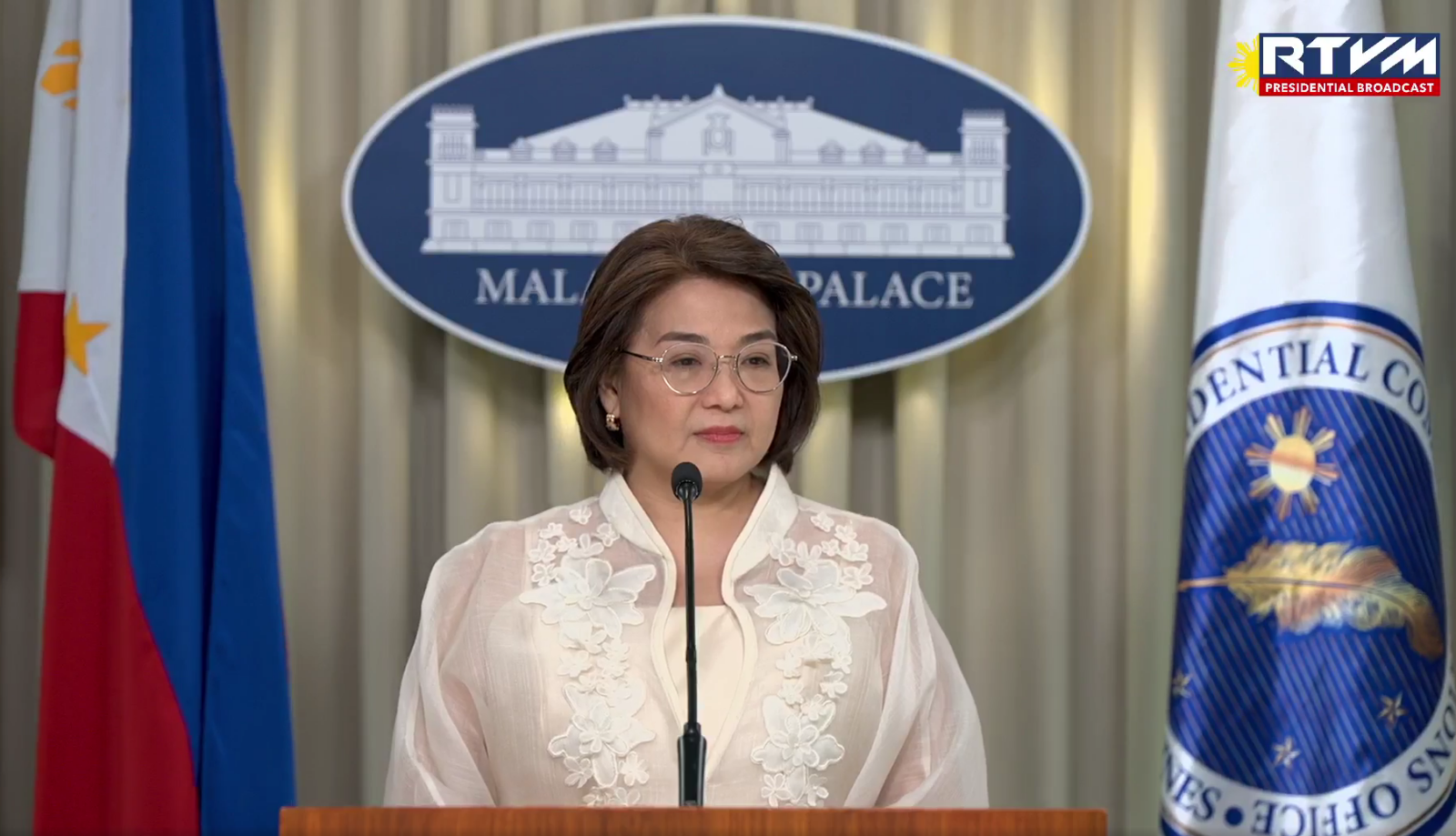
The government said on Thursday that it is open to considering suggestions from power distributors and electric cooperatives as it seeks to find a balance toward reducing electricity rates by removing system loss charges while ensuring the cost of efficient electricity delivery will not unfairly burden industry players.
According to Palace press officer Claire Castro, the administration welcomes the willingness of the power sector to discuss the proposal, following concerns raised by utility companies over its potential impact.
“Although it will certainly require extensive studies and many sectors could be affected, at least we can see that they are open to discussion,” Castro said, calling this a “positive sign.”
The Department of Energy under Secretary Sharon Garin said they are currently studying the regulations of the Energy Regulatory Commission (ERC), existing laws and other policies while conducting consultations with stakeholders.
“The objective is to lower electricity rates and I ask for the patience and cooperation of all stakeholders as we craft these policies,” Garin said in a statement read by Castro during a briefing.
Excessive burden
According to Castro, while the government aims to ease the burden of electricity consumers, it also recognizes the need to avoid placing an unreasonable financial load on power industry participants.
“We want to help our people, but at the same time, those involved in this industry should not be made to shoulder an excessive burden arising from these issues. That is why all of these concerns must be addressed and appropriate solutions must be found,” she said.
Manila Electric Co. (Meralco) chair Manuel V. Pangilinan on Wednesday balked at President Marcos’ call to eliminate system loss charges, saying the costs are “too big for the industry to absorb all of it.”
The President’s proposal was one of the most welcome statements in his fifth State of the Nation Address (Sona) delivered on Monday.
The Philippine Rural Electric Cooperatives Association (Philreca), on the other hand, is backing the removal of value-added tax (VAT) on system loss charges. However, it warned that scrapping the fee altogether without a direct government subsidy could put electric cooperatives at risk of bankruptcy.
Philreca urged Congress and tax authorities to adopt zero-rating or tax exemption mechanisms across the entire power supply chain for electricity lost in transit, saying the VAT cut must be “real tax relief, not a hidden cost transfer.”
No subsidies
But for Malacañang, subsidies for utility companies in lieu of foregone system loss charge collections are not being discussed at the moment.

In his Sona, Mr. Marcos called for the scrapping of unnecessary charges on electricity bills, including system loss charges and the VAT attached to these, as part of efforts to reduce electricity costs for households.
He directed Congress to amend the 25-year-old Electric Power Industry Reform Act, particularly Section 43(f), which makes consumers shoulder system loss. This refers to technical losses caused by resistance in power lines, transformers and aging equipment, as well as nontechnical losses from electricity theft, illegal connections, defective meters and billing errors.
The ERC has set a system loss cap of 6.5 percent for distribution utilities. Losses beyond the regulatory cap must be absorbed by the utilities and not passed on to consumers.
For customers of Meralco, system loss charges account for about five percent of monthly bills. Some electric cooperatives in the provinces, however, post system losses of as high as 16 percent.
Garin said the complete removal of system loss charges could be achieved by 2027, before Mr. Marcos delivers his last Sona.
Its implementation, however, would only begin following discussions with ERC and the National Electrification Administration, which regulates the over 100 electric cooperatives nationwide.