






Panagbenga’s 30-year journey of healing and hope

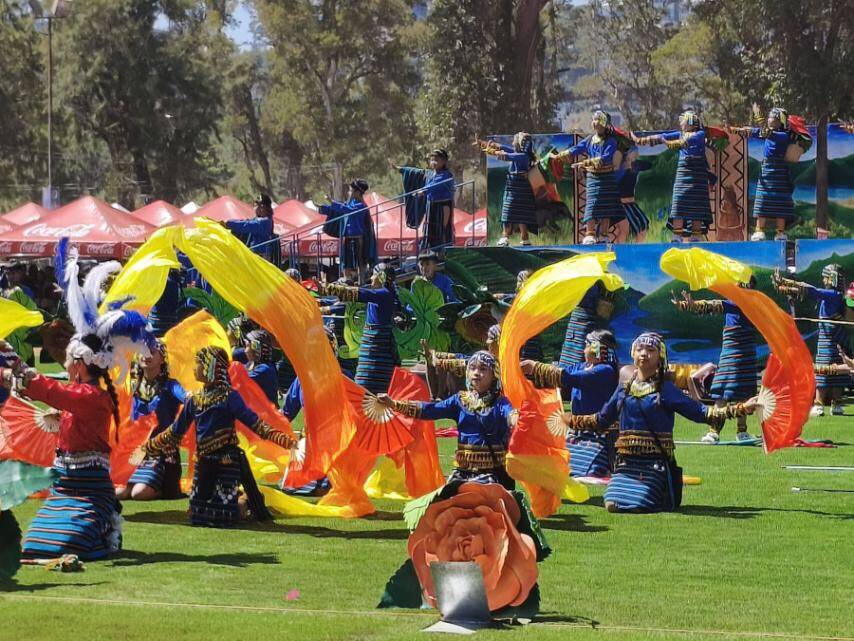
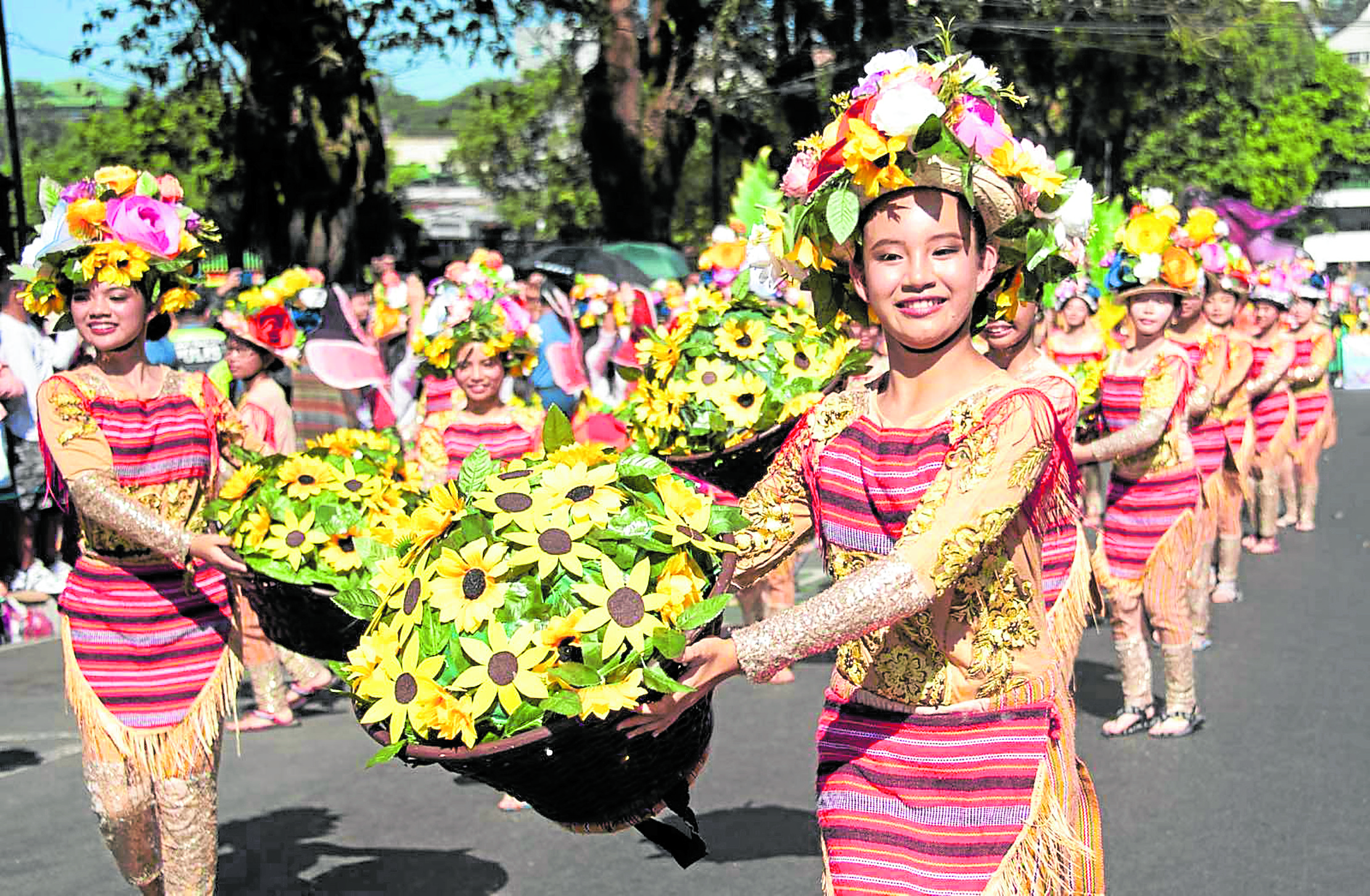
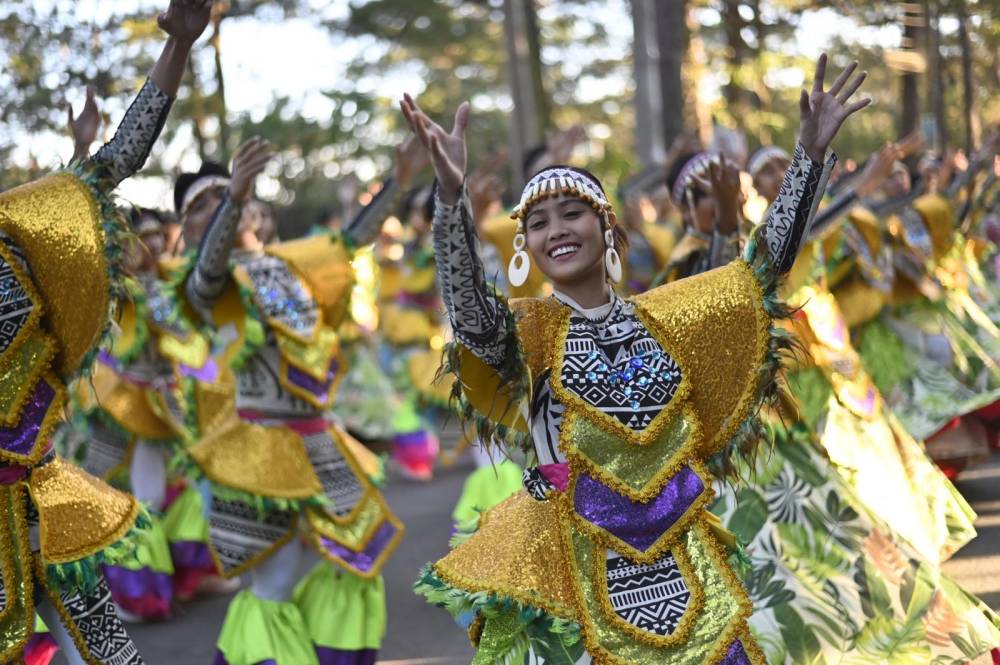
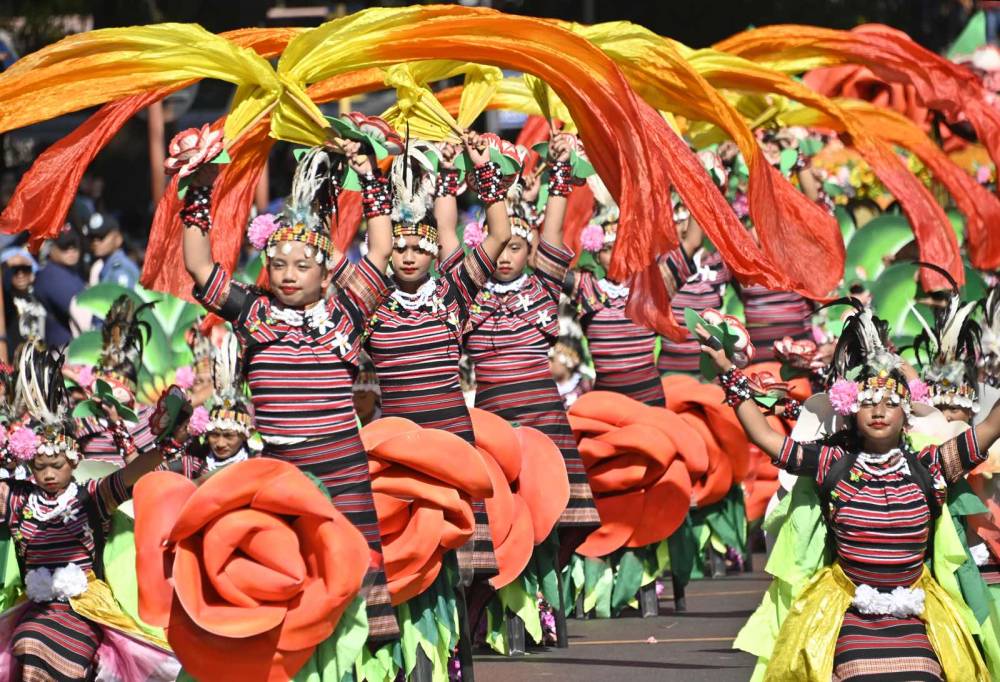
BAGUIO CITY—The 30th Panagbenga or Baguio Flower Festival Street Dance Parade yesterday doubled as a history lesson, celebrating three decades of goodwill and resilience that helped revive the city’s economy after its second major devastation in the 20th century.
Millennial and Gen Z students staged a special dance drama along Session Road and at Burnham Park’s Melvin Jones football grounds, illustrating how Panagbenga’s annual parades have highlighted key moments that reshaped the Summer Capital.
The idea for a crowd-drawing festival was conceived in 1995 over drinks by the late lawyer Damaso Bangaoet Jr. and close friends, shortly after Baguio began recovering from the deadly 1990 Luzon earthquake. The city had earlier been devastated in 1945 during its liberation from the forces of Japanese Gen. Tomoyuki Yamashita.
Bangaoet, regarded as the father of Panagbenga, initially had to win public support for the festival. Early parades were associated with Camp John Hay and funded by the state-run John Hay Poro Point Development Corp., where Bangaoet served as vice president, along with Camp John Hay Development Corp. Over time, stewardship of the festival shifted to volunteers from the Baguio Country Club and the Hotels and Restaurants Association of Baguio.
The trauma that gave birth to Panagbenga has gradually given way to a narrative of resilience and renewal, said city officials, including Mayor Benjamin Magalong.
Tranquil community
Festival notes described this year’s historical segment as portraying how the “birth of the Panagbenga Festival transformed collective healing into a vibrant celebration of culture and community.”
Performers from University of Baguio depicted pre-earthquake Baguio as a tranquil mountain city, with families rowing across Burnham Park’s lake and resident
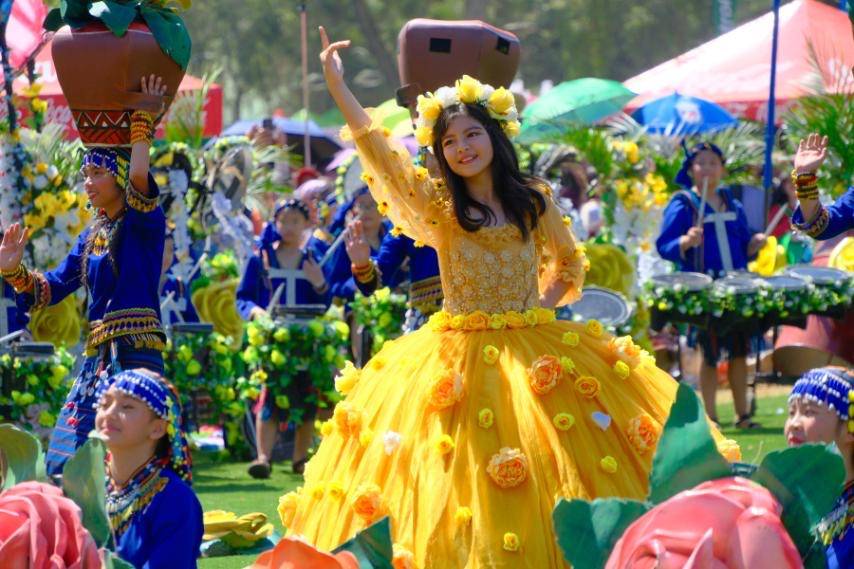
s gathering along Session Road for civic parades. “Beneath it all was the pulse of the Cordillera,” organizers noted, emphasizing that Baguio has long been a keeper of culture.
Students of Baguio City National High School (BCNHS) dramatized the earthquake years, highlighting how “in the midst of devastation, solidarity emerged,” as neighbors helped one another rebuild. What could have ended the city instead revealed its strength.
Pupils from Saint Louis University Laboratory Senior High School portrayed the festival’s genesis as a celebration meant to restore hope and revive the economy.
University of the Philippines Baguio students danced the story of the city’s recognition as the country’s first Creative City in 2017, culminating in a second BCNHS performance honoring Panagbenga’s 30th staging. The only year the parades were halted was in 2020 at the height of the COVID-19 pandemic.
Source of inspiration
Public Works Secretary Vince Dizon, attending the festival for the first time, recalled how Burnham Park had served as a COVID-19 testing site during his tenure as president of the Bases Conversion and Development Authority.
In his keynote address, Dizon said Baguio’s recovery should inspire Filipinos to overcome national challenges, including corruption and multibillion-peso fraud in infrastructure projects.
“President Marcos and brave leaders like Benjie Magalong will not allow those who should be held accountable to escape responsibility,” he said, expressing confidence that those responsible would be held accountable.
Soon, he added, the country’s infrastructure programs would bloom again—just as Baguio has.
******
Get real-time news updates: inqnews.net/inqviber